| Produkt |
Bild |
Artikelnummer/ CAS-Nr. |
Füllmenge |
Preis |
|
ISO 17034 Reference Material
Amitraz
|
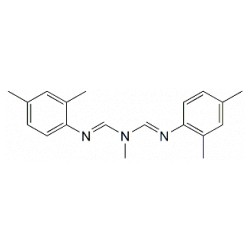
|
672811
33089-61-1
|
1×250 mg
|
Bitte anmelden
|
|
ISO 17034 Reference Material
Ametryn
|
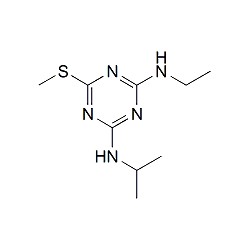
|
672810
834-12-8
|
1×250 mg
|
Bitte anmelden
|
|
ISO 17034 Reference Material
Benomyl
|
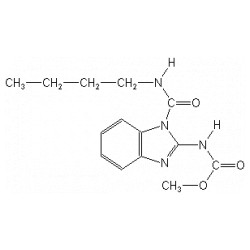
|
672815
17804-35-2
|
1×250 mg
|
Bitte anmelden
|
|
ISO 17034 Reference Material
Atrazine
|
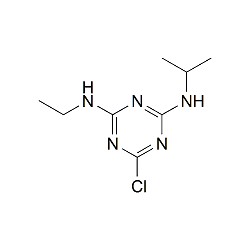
|
672814
1912-24-9
|
1×250 mg
|
Bitte anmelden
|
|
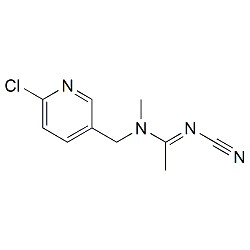
ISO 17034 Reference Material
Acetamiprid
|
|
672808
135410-20-7
|
1×100 mg
|
Bitte anmelden
|
|
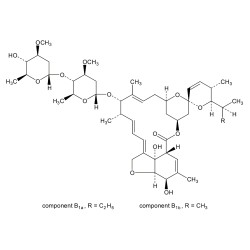
ISO 17034 Reference Material
Abamectin
|
|
672896
71751-41-2
|
1×100 mg
|
Bitte anmelden
|
|
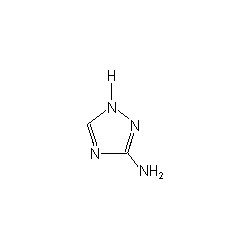
ISO 17034 Reference Material
Amitrole
|
|
672812
61-82-5
|
1×250 mg
|
Bitte anmelden
|
|
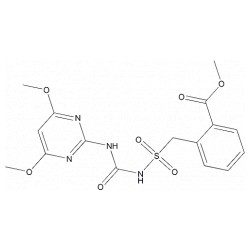
ISO 17034 Reference Material
Bensulfuron-methyl
|
|
672816
83055-99-6
|
1×100 mg
|
Bitte anmelden
|
|
ISO 17034 Reference Material
Benzoic acid benzyl ester
|
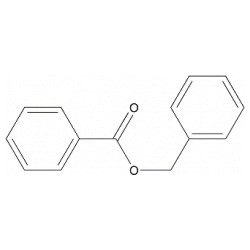
|
672817
120-51-4
|
1×1000 mg
|
Bitte anmelden
|
|
ISO 17034 Reference Material
Bifenthrin
|
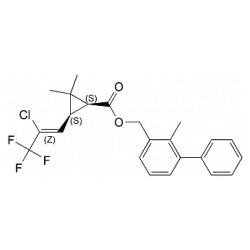
|
672898
82657-04-3
|
1×100 mg
|
Bitte anmelden
|
|
ISO 17034 Reference Material
Bispyribac sodium salt
|
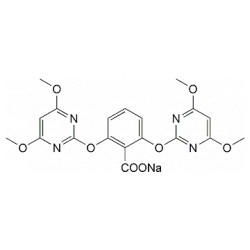
|
672833
125401-92-5
|
1×100 mg
|
Bitte anmelden
|
|
ISO 17034 Reference Material
Captan
|
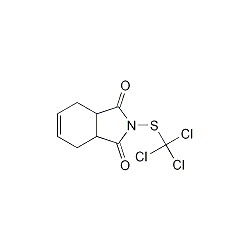
|
672819
133-06-2
|
1×250 mg
|
Bitte anmelden
|
|
ISO 17034 Reference Material
Carbaryl
|
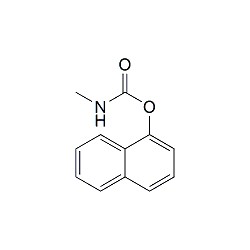
|
672820
63-25-2
|
1×250 mg
|
Bitte anmelden
|
|
ISO 17034 Reference Material
Carbendazim
|
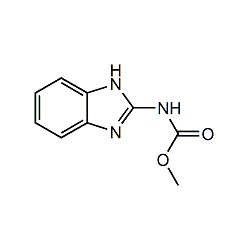
|
672821
10605-21-7
|
1×250 mg
|
Bitte anmelden
|
|
ISO 17034 Reference Material
Carbofuran
|
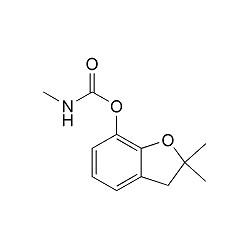
|
672822
1563-66-2
|
1×250 mg
|
Bitte anmelden
|
|
ISO 17034 Reference Material
Chlorfenapyr
|
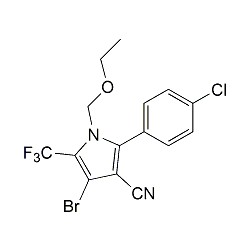
|
672899
122453-73-0
|
1×100 mg
|
Bitte anmelden
|
|
Chlorimuron-ethyl
|
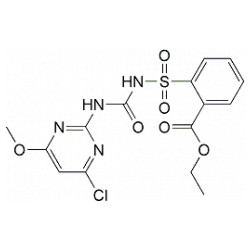
|
672913
90982-32-4
|
1×100 mg
|
Bitte anmelden
|
|
ISO 17034 Reference Material
Chlorothalonil
|
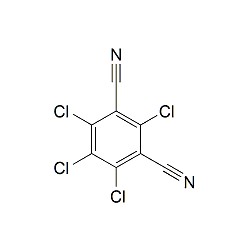
|
672825
1897-45-6
|
1×250 mg
|
Bitte anmelden
|
|
ISO 17034 Reference Material
Chlorpropham
|
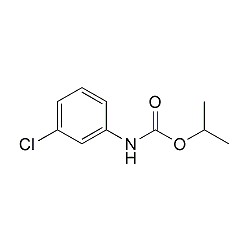
|
672826
101-21-3
|
1×250 mg
|
Bitte anmelden
|
|
ISO 17034 Reference Material
Chlorsulfuron
|
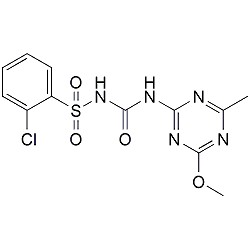
|
672809
64902-72-3
|
1×100 mg
|
Bitte anmelden
|
|
ISO 17034 Reference Material
beta-Cyfluthrin
|
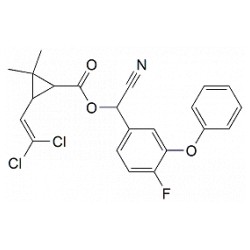
|
672909
1820573-27-0
|
1×250 mg
|
Bitte anmelden
|
High-Purity Pesticides Reference Materials for Accurate Residue Analysis
Ensure compliance and reliability in your laboratory's pesticide residue analysis with HPC Standards GmbH's high-purity reference materials. Our certified products meet international quality standards, providing essential support for food and environmental testing. Trust HPC Standards GmbH for precise and dependable results in your pesticide monitoring efforts.
Pesticides
High-quality reference materials for accurate residue analysis.
Overview
Pesticides are substances used to prevent, destroy, repel, or mitigate any pest ranging from insects, weeds, fungi, and other organisms. They play a crucial role in modern agriculture by enhancing crop yield and quality.
Uses
Pesticides are widely used in various sectors including agriculture, public health, and food storage. They help in controlling pests that damage crops, spread diseases, and cause nuisance in urban settings.
Regulatory
The use of pesticides is strictly regulated by international and national bodies to ensure safe application and minimize risks to humans and the environment. Compliance with regulatory limits is mandatory for all users.
Monitoring
Regular monitoring of pesticide residues in food and the environment is essential to ensure compliance with regulatory standards. Laboratories use high-purity reference materials to achieve accurate and reliable results.
Health Impact
Pesticides can have various health impacts on humans, ranging from mild skin irritations to more severe effects such as neurological disorders and cancer, depending on the level and duration of exposure.
Human Toxicity
Exposure to pesticides can occur through ingestion, inhalation, or skin contact. Acute toxicity can lead to symptoms such as headaches, dizziness, and nausea, while chronic exposure may result in more serious health issues.
Environmental Impact
Pesticides can have significant impacts on the environment, including contamination of soil, water, and non-target organisms. Their persistence and bioaccumulation can lead to long-term ecological effects.
Effects on Wildlife
Pesticides can adversely affect wildlife, including beneficial insects, birds, and aquatic organisms. They can disrupt ecosystems and lead to declines in biodiversity.
Safety Measures
Proper safety measures, such as the use of personal protective equipment (PPE), safe handling practices, and adherence to application guidelines, are essential to minimize risks associated with pesticide use.
Regulation
Regulatory frameworks for pesticides include guidelines on their approval, usage, and residue limits. Organizations such as the EPA, EFSA, and WHO provide standards and recommendations to ensure safe and effective use.
Analytical Standards
High-purity reference materials are crucial for the accurate analysis of pesticide residues. HPC Standards GmbH provides certified reference materials tested according to international quality requirements, ensuring reliable results for laboratories conducting food and environmental analysis.