| Produkt |
Bild |
Artikelnummer/ CAS-Nr. |
Füllmenge |
Preis |
|
ISO 17034 Reference Material
Atranol
|
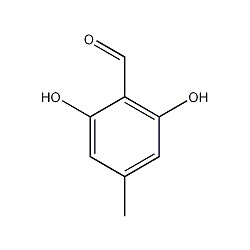
|
673176
526-37-4
|
1×25 mg
|
Bitte anmelden
|
|
ISO 17034 Reference Material
Chloroatranol
|
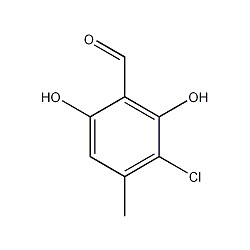
|
673550
57074-21-2
|
1×25 mg
|
Bitte anmelden
|
|
ISO 17034 Certified Reference Material
Atranol
|
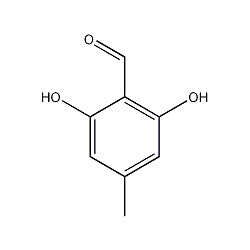
|
675163
526-37-4
|
1×10 mg
|
Bitte anmelden
|
|
Phenylacetaldehyde (stabilized)
|
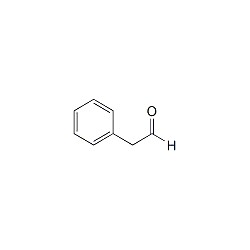
|
675853
122-78-1
|
1×250 mg
|
Bitte anmelden
|
|
2-Methyl-1-propanethiol
|
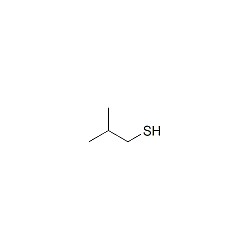
|
676648
513-44-0
|
1×100 mg
|
Bitte anmelden
|
|
ISO 17034 Reference Material
AHTN (Tonalid)
|
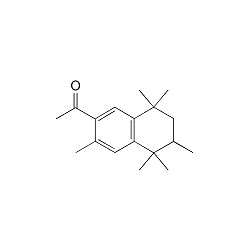
|
676661
21145-77-7
|
1×100 mg
|
Bitte anmelden
|
|
ADBI (Celestolid)
|
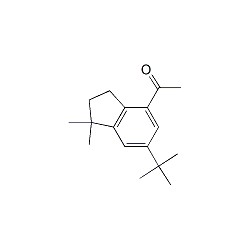
|
676662
13171-00-1
|
1×100 mg
|
Bitte anmelden
|
|
Isophorone
|
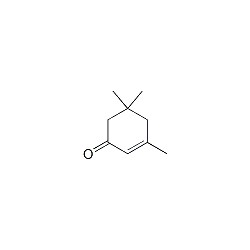
|
676663
78-59-1
|
1×1 ml
|
Bitte anmelden
|
|
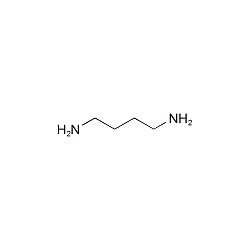
1,4-Diaminobutane
|
|
676711
110-60-1
|
1×250 mg
|
Bitte anmelden
|
|
ISO 17034 Reference Material
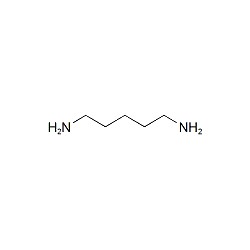
1,5-Diaminopentane
|
|
676712
462-94-2
|
1×250 mg
|
Bitte anmelden
|
|
ISO 17034 Reference Material
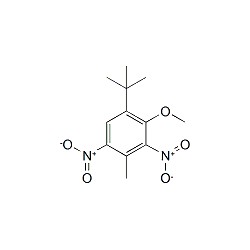
Musk ambrette
|
|
676752
83-66-9
|
1×25 mg
|
Bitte anmelden
|
|
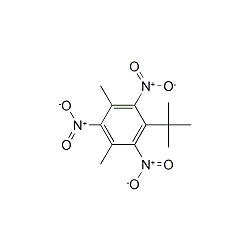
Musk xylene
|
|
676753
81-15-2
|
1×100 mg
|
Bitte anmelden
|
|
ISO 17034 Certified Reference Material
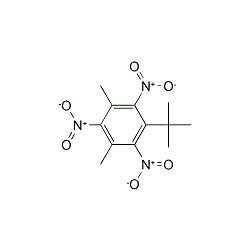
Musk xylene
Konzentration: 100 µg/ml
Lösungsmittel: Cyclohexane
|
|
676787
81-15-2
|
1×1 ml
|
Bitte anmelden
|
|
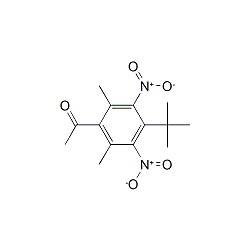
Musk ketone
|
|
676916
81-14-1
|
1×100 mg
|
Bitte anmelden
|
|
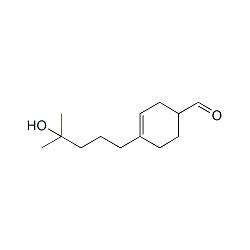
Lyral
|
|
677007
130066-44-3
|
1×100 mg
|
Bitte anmelden
|
|
ISO 17034 Reference Material
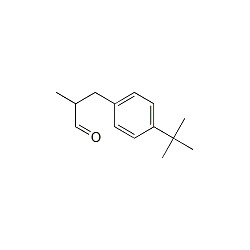
3-(4-tert-Butylphenyl)isobutyraldehyde
|
|
677066
80-54-6
|
1×250 mg
|
Bitte anmelden
|
|
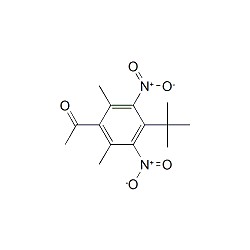
ISO 17034 Certified Reference Material
Musk ketone
Konzentration: 10.0 µg/ml
Lösungsmittel: Cyclohexane
|
|
677070
81-14-1
|
1×1 ml
|
Bitte anmelden
|
|
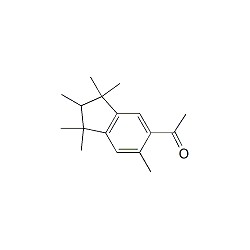
AHMI (Phantolide)
|
|
677224
15323-35-0
|
1×10 mg
|
Bitte anmelden
|
|
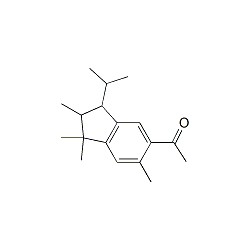
ATII (Traseolid)
|
|
677226
68140-48-7
|
1×20 mg
|
Bitte anmelden
|
|
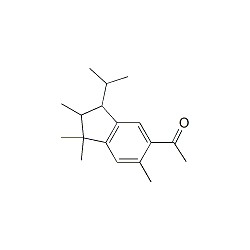
ISO 17034 Certified Reference Material
ATII (Traseolid)
Konzentration: 10.0 µg/ml
Lösungsmittel: Cyclohexane
|
|
677227
68140-48-7
|
1×1 ml
|
Bitte anmelden
|
|
ISO 17034 Certified Reference Material
DPMI (Cashmeran)
Konzentration: 10.0 µg/ml
Lösungsmittel: Cyclohexane
|
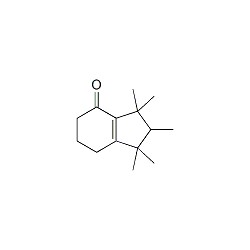
|
677229
33704-61-9
|
1×5 ml
|
Bitte anmelden
|
High-Purity Odor Compounds for Accurate Residue Analysis
Ensure precise and reliable residue analysis with our high-purity reference materials for odor compounds. Essential for laboratories in food, beverage, and environmental sectors, our products meet international quality standards, aiding in regulatory compliance and safeguarding human and environmental health. Partner with HPC Standards GmbH for unparalleled accuracy in odor compound analysis.
Odor Compounds
High-purity reference materials for accurate and reliable residue analysis of odor compounds.
Overview
Odor compounds, also known as odorants, are chemicals that are detected by the olfactory system and are responsible for various smells. These compounds can be naturally occurring or synthetic and are found in a wide range of environments, including food, beverages, and the environment.
Uses
Odor compounds are used in various industries, including food and beverage, fragrance, and environmental monitoring. They play a crucial role in quality control, product development, and ensuring compliance with regulatory standards.
Regulatory
Odor compounds are subject to regulatory oversight to ensure they are safe for use and do not pose a risk to human health or the environment. Regulatory agencies set limits for acceptable concentrations of these compounds in different products and environments.
Monitoring
Monitoring of odor compounds is essential for maintaining product quality and safety. Laboratories use high-purity reference materials to accurately measure the concentration of odorants in various samples, ensuring compliance with regulatory limits.
Health Impact
Human Toxicity
Exposure to certain odor compounds can have health implications, including respiratory issues, headaches, and allergic reactions. It is essential to monitor and control the levels of these compounds to protect human health.
Environmental Impact
Effects on Wildlife
Odor compounds can affect wildlife, particularly aquatic organisms, when they enter the environment through industrial discharge or other means. Monitoring and controlling these compounds help protect ecosystems and biodiversity.
Safety Measure
Proper handling and storage of odor compounds are crucial to ensure safety in laboratories and industrial settings. Safety measures include using appropriate personal protective equipment (PPE) and following standardized procedures.
Regulation
Regulations governing odor compounds vary by region and industry. Compliance with these regulations is essential for companies to avoid legal repercussions and ensure the safety of their products and processes.
Analytical Standards
High-purity reference materials for odor compounds are essential for accurate and reliable residue analysis. These materials are tested according to international quality requirements and meet the highest industrial standards, ensuring precision in analytical results.