| Produkt |
Bild |
Artikelnummer/ CAS-Nr. |
Füllmenge |
Preis |
|
ISO 17034 Reference Material
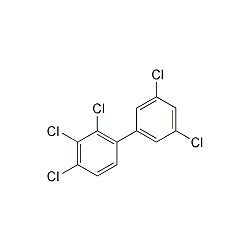
PCB 108
|
|
675358
70362-41-3
|
1×5 mg
|
Bitte anmelden
|
|
ISO 17034 Certified Reference Material
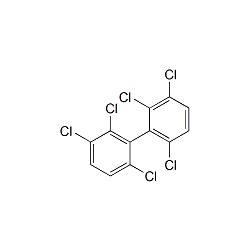
PCB 136
Konzentration: 10 µg/ml
Lösungsmittel: Isooctane
|
|
675791
38411-22-2
|
1×10 ml
|
Bitte anmelden
|
|
ISO 17034 Reference Material
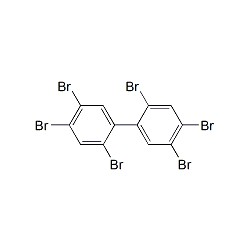
Hexabromobiphenyl (technical mixture)
|
|
675824
36355-01-8
|
1×10 mg
|
Bitte anmelden
|
|
ISO 17034 Certified Reference Material
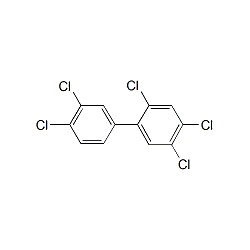
PCB 118
Konzentration: 100 µg/ml
Lösungsmittel: Isooctane
|
|
679292
31508-00-6
|
1×1 ml
|
Bitte anmelden
|
|
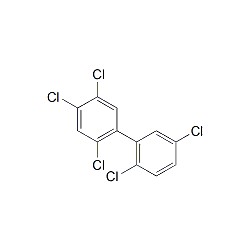
PCB 101
|
|
680397
37680-73-2
|
1×10 mg
|
Bitte anmelden
|
|
ISO 17034 Certified Reference Material
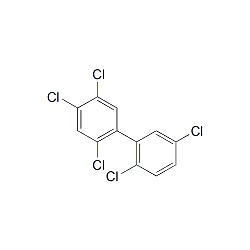
PCB 101
Konzentration: 10.0 µg/ml
Lösungsmittel: Isooctane
|
|
680398
37680-73-2
|
1×10 ml
|
Bitte anmelden
|
|
ISO 17034 Certified Reference Material
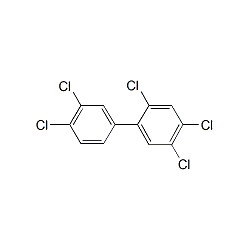
PCB 118
Konzentration: 10 µg/ml
Lösungsmittel: Isooctane
|
|
680399
31508-00-6
|
1×10 ml
|
Bitte anmelden
|
|
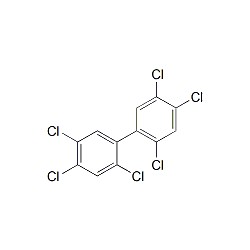
PCB 153
|
|
680400
35065-27-1
|
1×10 mg
|
Bitte anmelden
|
|
ISO 17034 Certified Reference Material
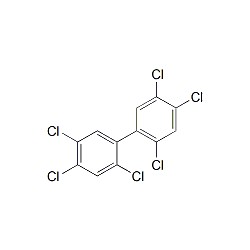
PCB 153
Konzentration: 10.0 µg/ml
Lösungsmittel: Isooctane
|
|
680401
35065-27-1
|
1×10 ml
|
Bitte anmelden
|
|
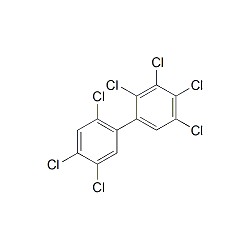
PCB 180
|
|
680402
35065-29-3
|
1×5 mg
|
Bitte anmelden
|
|
ISO 17034 Certified Reference Material
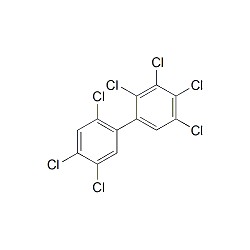
PCB 180
Konzentration: 10.0 µg/ml
Lösungsmittel: Isooctane
|
|
680403
35065-29-3
|
1×10 ml
|
Bitte anmelden
|
|
ISO 17034 Reference Material
PCB 28
|
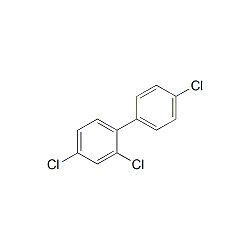
|
680571
7012-37-5
|
1×10 mg
|
Bitte anmelden
|
|
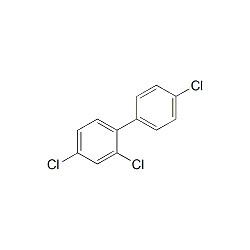
ISO 17034 Certified Reference Material
PCB 28
Konzentration: 10.0 µg/ml
Lösungsmittel: Isooctane
|
|
680572
7012-37-5
|
1×10 ml
|
Bitte anmelden
|
|
ISO 17034 Reference Material
PBDE 3
|
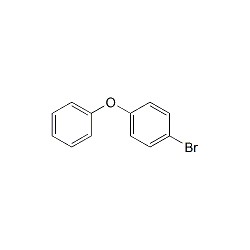
|
680671
101-55-3
|
1×250 mg
|
Bitte anmelden
|
|
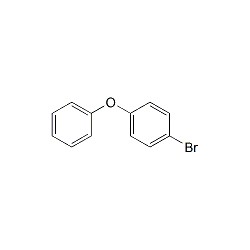
ISO 17034 Certified Reference Material
PBDE 3
Konzentration: 100 µg/ml
Lösungsmittel: Cyclohexane
|
|
680679
101-55-3
|
1×1 ml
|
Bitte anmelden
|
|
ISO 17034 Certified Reference Material
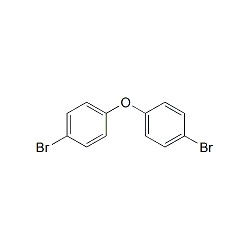
PBDE 15
Konzentration: 100 µg/ml
Lösungsmittel: Cyclohexane
|
|
680680
2050-47-7
|
1×1 ml
|
Bitte anmelden
|
|
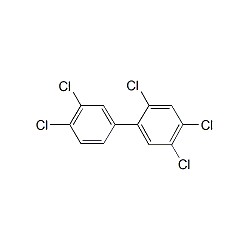
PCB 118
|
|
680697
31508-00-6
|
1×10 mg
|
Bitte anmelden
|
|
ISO 17034 Reference Material
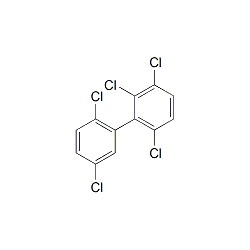
PCB 95
|
|
680851
38379-99-6
|
1×5 mg
|
Bitte anmelden
|
|
ISO 17034 Certified Reference Material
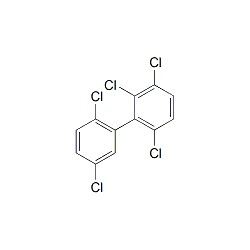
PCB 95
Konzentration: 100 µg/ml
Lösungsmittel: Isooctane
|
|
680852
38379-99-6
|
1×5 ml
|
Bitte anmelden
|
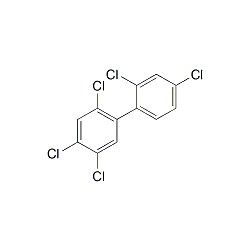
|
ISO 17034 Certified Reference Material
PCB 99
Konzentration: 10 µg/ml
Lösungsmittel: Isooctane
|
|
680854
38380-01-7
|
1×10 ml
|
Bitte anmelden
|
|
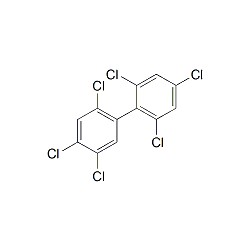
ISO 17034 Certified Reference Material
PCB 154
Konzentration: 10 µg/ml
Lösungsmittel: Isooctane
|
|
680905
60145-22-4
|
1×10 ml
|
Bitte anmelden
|
Ensure Accurate PCB Residue Analysis with High-Purity Reference Materials
Polychlorinated Biphenyls (PCBs) are subject to stringent regulations due to their environmental persistence and health risks. HPC Standards GmbH offers high-purity reference materials for precise residue analysis of PCBs, essential for laboratories to meet international quality standards and regulatory requirements. Trust our expertise in providing reliable analytical standards for your food and environmental testing needs.
Polychlorinated Biphenyls (PCBs) Reference Materials
High-purity reference materials for precise residue analysis of PCBs
Overview
Polychlorinated Biphenyls (PCBs) are a group of man-made chemicals consisting of carbon, hydrogen, and chlorine atoms. Due to their chemical stability and insulating properties, PCBs were widely used in electrical equipment, hydraulic systems, and other industrial applications. However, due to their environmental persistence and potential health risks, PCBs are now subject to strict regulations.
Uses
Historically, PCBs were used in transformers, capacitors, and other electrical equipment as coolants and lubricants. They were also found in plasticizers, surface coatings, inks, adhesives, and flame retardants. Despite their ban, PCBs can still be found in older equipment and contaminated environments.
Regulatory
PCBs are regulated under various international frameworks, including the Stockholm Convention on Persistent Organic Pollutants (POPs), which aims to eliminate or restrict the production and use of persistent organic pollutants. In the United States, the Toxic Substances Control Act (TSCA) regulates the use and disposal of PCBs. The European Union has similar regulations under the REACH framework.
Monitoring
Monitoring PCBs in the environment and food products is crucial for ensuring compliance with regulatory limits. Laboratories use high-purity reference materials to calibrate their analytical instruments and validate their methods, ensuring accurate and reliable measurement of PCB residues.
Health Impact
Human Toxicity
PCBs have been linked to various adverse health effects in humans, including cancer, immune system suppression, liver damage, and endocrine disruption. Long-term exposure can lead to more severe health outcomes, emphasizing the need for stringent monitoring and regulation.
Environmental Impact
Effects on Wildlife
PCBs are highly persistent in the environment and can bioaccumulate in the food chain, posing significant risks to wildlife. They have been shown to cause reproductive, immunological, and developmental issues in various animal species, including fish, birds, and mammals.
Safety Measure
Handling PCBs requires strict safety measures, including the use of personal protective equipment (PPE) and proper disposal methods to prevent environmental contamination and human exposure. Laboratories must adhere to these safety protocols when working with PCB reference materials.
Regulation
The regulation of PCBs involves stringent controls on their production, use, and disposal. Regulatory bodies worldwide have established maximum allowable limits for PCBs in various matrices, including food, soil, and water. Compliance with these regulations is essential for protecting human health and the environment.
Analytical Standards
High-purity reference materials for PCBs are essential for laboratories conducting residue analysis. These reference materials ensure the accuracy and reliability of analytical results, helping laboratories meet international quality standards and regulatory requirements.