| Produkt |
Bild |
Artikelnummer/ CAS-Nr. |
Füllmenge |
Preis |
|
ISO 17034 Reference Material
Ochratoxin A
|
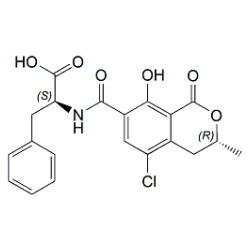
|
675983
303-47-9
|
1×10 mg
|
Bitte anmelden
|
|
Ochratoxin alpha
|
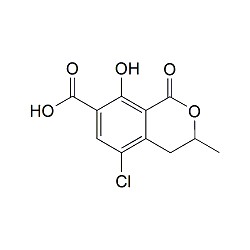
|
676044
16281-39-3
|
1×10 mg
|
Bitte anmelden
|
|
ISO 17034 Reference Material
Ochratoxin beta
|
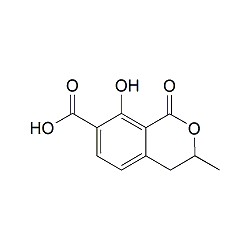
|
676047
16281-43-9
|
1×10 mg
|
Bitte anmelden
|
|
ISO 17034 Reference Material
Ochratoxin C
|
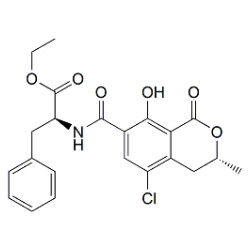
|
676048
4865-85-4
|
1×5 mg
|
Bitte anmelden
|
|
Ochratoxin B
|
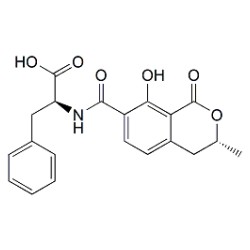
|
676049
4825-86-9
|
1×10 mg
|
Bitte anmelden
|
|
ISO 17034 Certified Reference Material
Ochratoxin A
Konzentration: 10.0 µg/ml
Lösungsmittel: Acetonitrile
|
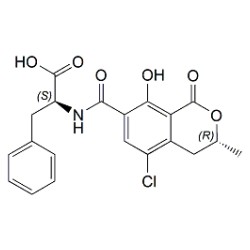
|
676057
303-47-9
|
1×5 ml
|
Bitte anmelden
|
|
ISO 17034 Certified Reference Material
Ochratoxin A
Konzentration: 100 µg/ml
Lösungsmittel: Acetonitrile
|
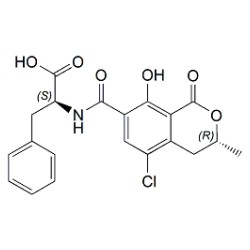
|
676059
303-47-9
|
1×1 ml
|
Bitte anmelden
|
|
Diacetoxyscirpenol
|
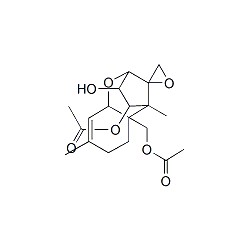
|
676070
2270-40-8
|
1×5 mg
|
Bitte anmelden
|
|
ISO 17034 Reference Material
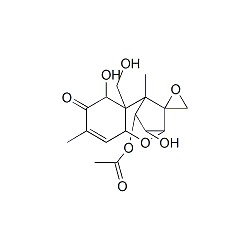
Fusarenon X
|
|
676071
23255-69-8
|
1×5 mg
|
Bitte anmelden
|
|
ISO 17034 Reference Material
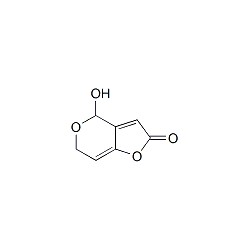
Patulin
|
|
676073
149-29-1
|
1×5 mg
|
Bitte anmelden
|
|
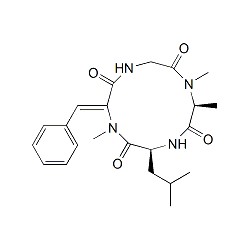
Tentoxin
|
|
676273
28540-82-1
|
1×1 mg
|
Bitte anmelden
|
|
ISO 17034 Certified Reference Material
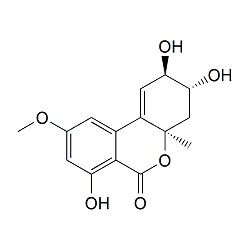
(-)-Altenuene
Konzentration: 100 µg/ml
Lösungsmittel: Acetonitrile
|
|
676513
889101-41-1
|
1×1 ml
|
Bitte anmelden
|
|
Fumagillin
|
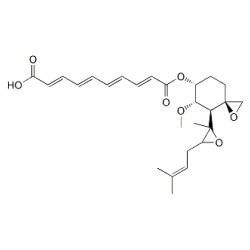
|
676994
23110-15-8
|
1×1 mg
|
Bitte anmelden
|
|
ISO 17034 Reference Material
Zearalenone
|
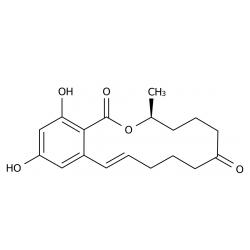
|
678040
17924-92-4
|
1×5 mg
|
Bitte anmelden
|
|
ISO 17034 Certified Reference Material
Zearalenone
Konzentration: 100 µg/ml
Lösungsmittel: Acetonitrile
|
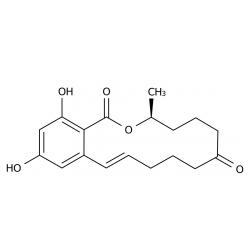
|
678254
17924-92-4
|
1×1 ml
|
Bitte anmelden
|
|
ISO 17034 Reference Material
Zearalanone
|
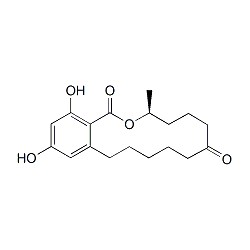
|
679547
5975-78-0
|
1×5 mg
|
Bitte anmelden
|
|
ISO 17034 Reference Material
alpha-Zearalenol
|
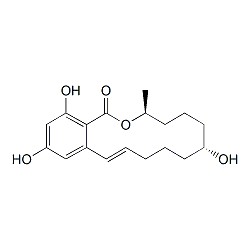
|
679548
36455-72-8
|
1×5 mg
|
Bitte anmelden
|
|
ISO 17034 Reference Material
beta-Zearalenol
|
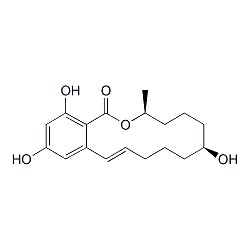
|
679550
71030-11-0
|
1×5 mg
|
Bitte anmelden
|
|
ISO 17034 Reference Material
alpha-Zearalanol
|
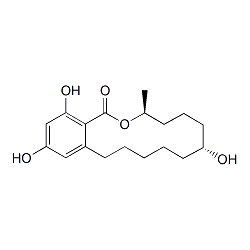
|
679552
26538-44-3
|
1×5 mg
|
Bitte anmelden
|
|
ISO 17034 Reference Material
Taleranol
|
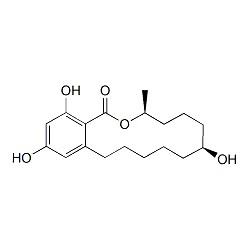
|
679555
42422-68-4
|
1×5 mg
|
Bitte anmelden
|
|
ISO 17034 Certified Reference Material
Tenuazonic acid mixture of diastereomers
Konzentration: 100 µg/ml
Lösungsmittel: Acetonitrile
|
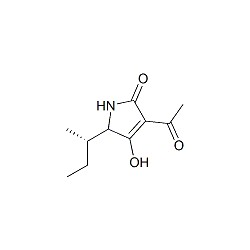
|
680003
|
1×1 ml
|
Bitte anmelden
|
Ensure Accurate Mycotoxin Residue Analysis with High-Purity Reference Materials
Mycotoxins are toxic secondary metabolites produced by fungi, posing significant health risks to humans and animals. Our high-purity mycotoxin reference materials are essential for laboratories conducting residue analysis in food and environmental samples. These materials ensure the accuracy and reliability of analytical results, aiding in compliance with stringent regulatory standards. Regular monitoring and testing using our reference materials are crucial for maintaining food safety and public health. Trust HPC Standards GmbH for your mycotoxin analysis needs and ensure compliance with international quality requirements.
Mycotoxins
High-purity reference materials for accurate mycotoxin residue analysis
Overview
Mycotoxins are toxic secondary metabolites produced by certain types of fungi. These compounds can contaminate a variety of agricultural products, posing significant health risks to humans and animals.
Uses
Mycotoxin reference materials are essential for laboratories conducting residue analysis in food and environmental samples. These materials ensure the accuracy and reliability of analytical results, aiding in compliance with regulatory standards.
Regulatory
Regulatory agencies worldwide set maximum allowable levels for mycotoxins in food and feed products. Adherence to these regulations is crucial for food safety and public health.
Monitoring
Regular monitoring of mycotoxin levels in agricultural products is necessary to prevent contamination and ensure compliance with regulatory limits. Reference materials play a key role in the validation and calibration of analytical methods used in monitoring programs.
Health Impact
Human toxicity
Exposure to mycotoxins can lead to a range of adverse health effects in humans, including acute poisoning, immunosuppression, and carcinogenicity. The severity of these effects depends on the type of mycotoxin and the level of exposure.
Environmental Impact
Effects on wildlife
Mycotoxins can also have detrimental effects on wildlife, particularly when contaminated feed is consumed by animals. These toxins can cause a variety of health issues in wildlife, impacting biodiversity and ecosystem stability.
Safety Measure
Implementing safety measures such as proper storage and handling of agricultural products can help reduce the risk of mycotoxin contamination. Regular testing using high-purity reference materials is essential for maintaining food safety.
Analytical Standards
Our high-purity reference materials for mycotoxins are tested according to international quality requirements and meet the highest industrial standards. These materials are crucial for laboratories in ensuring the accuracy and reliability of residue analysis.