

Tetrachlorophenol
Ensure Accurate Residue Analysis with High-Purity Tetrachlorophenol Reference Materials
Tetrachlorophenol is a critical compound used in various industries, including chemical synthesis, wood preservation, and as a pesticide. HPC Standards GmbH offers high-purity reference materials for tetrachlorophenol, ensuring precise and reliable residue analysis. Our products meet international quality standards, making them indispensable for laboratories focused on food and environmental safety. Trust HPC Standards GmbH for your analytical needs and ensure compliance with stringent regulatory limits.
Filter
| Produkt | Bild | Artikelnummer/ CAS-Nr. | Füllmenge | Preis |
|---|---|---|---|---|
ISO 17034 Reference Material 2,3,4,6-Tetrachlorophenol | 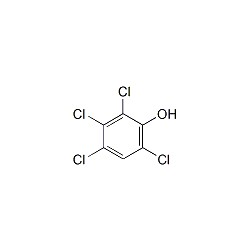 | 67748658-90-2 | 1×50 mg | Bitte anmelden |
ISO 17034 Reference Material 2,3,4,5-Tetrachlorophenol | 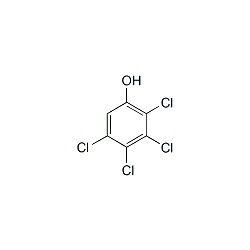 | 6803844901-51-3 | 1×10 mg | Bitte anmelden |
ISO 17034 Certified Reference Material 2,3,4,5-TetrachlorophenolKonzentration: 10.0 µg/ml Lösungsmittel: Methanol | 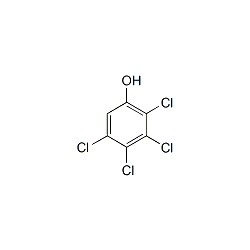 | 6803854901-51-3 | 1×10 ml | Bitte anmelden |
| 2,3,5,6-Tetrachlorophenol | 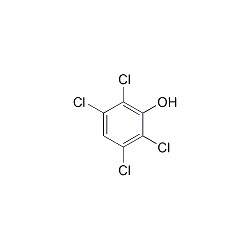 | 681437935-95-5 | 1×10 mg | Bitte anmelden |
ISO 17034 Certified Reference Material 2,3,5,6-TetrachlorophenolKonzentration: 10.0 µg/ml Lösungsmittel: Cyclohexane | 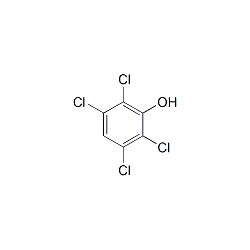 | 681438935-95-5 | 1×10 ml | Bitte anmelden |
ISO 17034 Certified Reference Material 2,3,5,6-TetrachlorophenolKonzentration: 100 µg/ml Lösungsmittel: Cyclohexane | 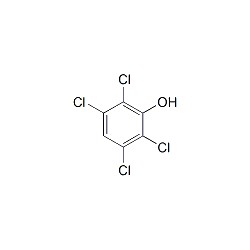 | 681465935-95-5 | 1×1 ml | Bitte anmelden |
ISO 17034 Certified Reference Material 2,3,5,6-TetrachlorophenolKonzentration: 100 µg/ml Lösungsmittel: Methanol | 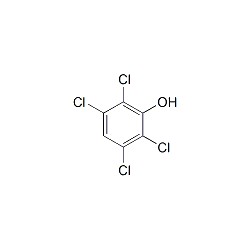 | 681691935-95-5 | 1×5 ml | Bitte anmelden |
ISO 17034 Certified Reference Material 2,3,4,5-TetrachlorophenolKonzentration: 100 µg/ml Lösungsmittel: Methanol | 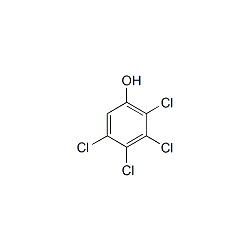 | 6816924901-51-3 | 1×5 ml | Bitte anmelden |
ISO 17034 Certified Reference Material 2,3,4,6-Tetrachlorophenol | 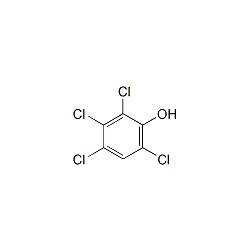 | 69485058-90-2 | 1×25 mg | Bitte anmelden |
Tetrachlorophenol
High-purity reference materials for accurate residue analysis
Overview
Tetrachlorophenol is an organochloride of phenol that contains four covalently bonded chlorine atoms. It is produced by electrophilic halogenation of phenol with chlorine. There are three different isomers of tetrachlorophenol: 2,3,4,5-Tetrachlorophenol, 2,3,4,6-Tetrachlorophenol, and 2,3,5,6-Tetrachlorophenol.
Uses
Tetrachlorophenol is primarily used in the synthesis of other chemicals and as a pesticide. It is also used in wood preservation and as a disinfectant.
Regulatory
Regulatory guidelines for tetrachlorophenol vary by region but generally include strict limits on its presence in food and the environment due to its potential health and environmental impacts. Laboratories must ensure compliance with these regulatory limits through accurate residue analysis.
Monitoring
Monitoring tetrachlorophenol levels in various matrices such as food, water, and soil is essential for ensuring compliance with regulatory standards. High-purity reference materials are crucial for the accurate calibration of analytical instruments used in these monitoring processes.
Health Impact
Exposure to tetrachlorophenol can have significant health impacts, including skin irritation, respiratory issues, and potential carcinogenic effects. Proper handling and accurate residue analysis are essential to mitigate these risks.
Environmental Impact
Tetrachlorophenol is persistent in the environment and can accumulate in the food chain, posing risks to wildlife and ecosystems. Its use and disposal must be carefully managed to minimize environmental contamination.
Safety Measure
Handling tetrachlorophenol requires stringent safety measures, including the use of personal protective equipment (PPE) and proper ventilation. Laboratories must follow established protocols to ensure the safety of personnel and the environment.
Analytical Standards
HPC Standards GmbH provides high-purity reference materials for tetrachlorophenol, ensuring accurate and reliable residue analysis. Our products meet international quality requirements and the highest industrial standards, making them essential for laboratories conducting food and environmental analysis.