


Terbuthylazine
Ensure Accurate Residue Analysis with High-Purity Terbuthylazine Reference Materials
HPC Standards GmbH offers top-tier, high-purity Terbuthylazine reference materials, essential for precise residue analysis in food and environmental laboratories. Our products meet stringent international quality standards, ensuring compliance with regulatory limits and safeguarding public health and the environment. Trust HPC Standards GmbH for reliable and accurate analytical solutions.
Filter
| Produkt | Bild | Artikelnummer/ CAS-Nr. | Füllmenge | Preis |
|---|---|---|---|---|
ISO 17034 Certified Reference Material TerbuthylazineKonzentration: 100 µg/ml Lösungsmittel: Acetonitrile | 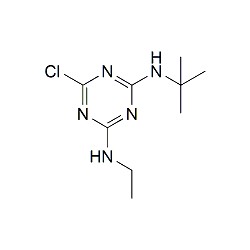 | 6734495915-41-3 | 1×5 ml | Bitte anmelden |
ISO 17034 Reference Material Terbuthylazine | 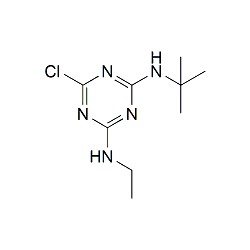 | 6754715915-41-3 | 1×250 mg | Bitte anmelden |
| D5-Terbuthylazine | 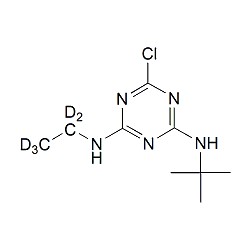 | 675942222986-60-9 | 1×5 mg | Bitte anmelden |
ISO 17034 Certified Reference Material D5-TerbuthylazineKonzentration: 100 µg/ml Lösungsmittel: Acetone | 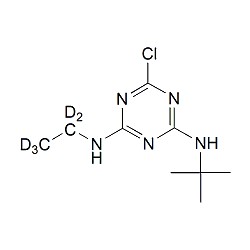 | 676698222986-60-9 | 1×1 ml | Bitte anmelden |
ISO 17034 Certified Reference Material Terbuthylazine | 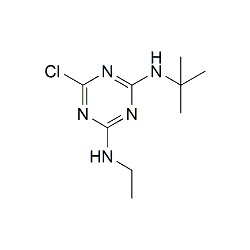 | 6906785915-41-3 | 1×100 mg | Bitte anmelden |
Terbuthylazine
High-purity reference materials for accurate residue analysis
Overview
Terbuthylazine is a selective herbicide belonging to the triazine chemical class. It is chemically defined as N2-tert-Butyl-6-chloro-N4-ethyl-1,3,5-triazine-2,4-diamine. It is used primarily for controlling broadleaf and grassy weeds in various agricultural settings.
Uses
Terbuthylazine is widely used in agriculture to manage weed growth in crops such as maize, sorghum, and sugarcane. Its selective nature allows it to target unwanted plants without harming the crops.
Regulatory
Terbuthylazine is regulated under various international guidelines to ensure its safe use in agriculture. Compliance with these regulations is essential for maintaining food safety and environmental health. Laboratories must adhere to these guidelines when conducting residue analysis.
Monitoring
Regular monitoring of Terbuthylazine residues in food and the environment is crucial. This ensures that the levels remain within the regulatory limits, safeguarding public health and the environment. Analytical methods such as chromatography are commonly used for this purpose.
Health Impact
Exposure to Terbuthylazine can have various health impacts, depending on the level and duration of exposure. It is essential to follow safety guidelines to minimize risks. Proper handling and usage instructions should be adhered to by agricultural workers and laboratory personnel.
Environmental Impact
Terbuthylazine can persist in the environment, affecting soil and water quality. Its impact on non-target organisms, including aquatic life, necessitates careful management and monitoring. Sustainable agricultural practices can help mitigate these effects.
Safety Measure
Proper safety measures should be in place when handling Terbuthylazine. This includes the use of personal protective equipment (PPE), proper storage, and disposal methods. Training and awareness programs for users can further enhance safety.
Analytical Standards
HPC Standards GmbH provides high-purity reference materials for Terbuthylazine, ensuring accurate and reliable residue analysis. Our products meet international quality requirements and the highest industrial standards, making them essential for laboratories conducting food and environmental analysis.