

Propranolol hydrochloride
Propranolol Hydrochloride Reference Materials: Ensuring Precision in Residue Analysis
Elevate your laboratory's accuracy with our high-quality Propranolol Hydrochloride reference materials. HPC Standards GmbH offers meticulously tested products that meet international quality standards, essential for precise residue analysis in food and environmental testing. Trust us as your competent partner in achieving compliance with regulatory limits.
Filter
| Produkt | Bild | Artikelnummer/ CAS-Nr. | Füllmenge | Preis |
|---|---|---|---|---|
ISO 17034 Reference Material Propranolol hydrochloride | 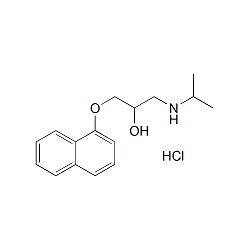 | 676332318-98-9 | 1×100 mg | Bitte anmelden |
| D7-Propranolol hydrochloride | 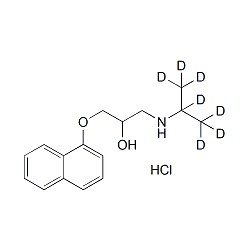 | 6771131613439-56-7 | 1×10 mg | Bitte anmelden |
ISO 17034 Certified Reference Material D7-Propranolol hydrochlorideKonzentration: 100 µg/ml Lösungsmittel: Water | 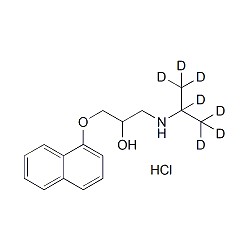 | 6794321613439-56-7 | 1×1 ml | Bitte anmelden |
Propranolol Hydrochloride Reference Materials
High-quality reference materials for accurate and reliable residue analysis of Propranolol Hydrochloride.
Overview
Propranolol hydrochloride is a non-selective beta-adrenergic antagonist used for treating various cardiovascular and psychiatric conditions. It is available in both oral and intravenous formulations.
Uses
Propranolol hydrochloride is used to treat high blood pressure, irregular heart rates, thyrotoxicosis, anxiety, essential tremors, and to prevent migraines and further heart issues in patients with angina or previous heart attacks.
It is also used off-label for conditions such as performance anxiety and post-traumatic stress disorder (PTSD).
Regulatory
Propranolol hydrochloride is classified as a prescription-only medication in many countries, including the US, UK, Australia, and Canada.
Monitoring
Regular monitoring of blood pressure, heart rate, and other vital signs is necessary when using propranolol hydrochloride. Blood tests may be required to check for liver function and other potential side effects.
Health Impact
Human Toxicity
Common side effects include nausea, abdominal pain, and constipation. It may worsen symptoms of asthma and can cause harmful effects during pregnancy. It is generally considered safe during breastfeeding.
Environmental Impact
Effects on Wildlife
Propranolol hydrochloride can have adverse effects on aquatic life and should be disposed of properly to prevent environmental contamination.
Safety Measures
Propranolol hydrochloride should be used with caution in patients with diabetes, peripheral artery disease, and certain respiratory conditions. Overdose can lead to severe complications such as seizures and cardiac arrest.
Regulation
Propranolol hydrochloride is regulated by various health authorities, including the FDA and EMA, to ensure its safety and efficacy for medical use.
Analytical Standards
HPC Standards GmbH provides high-purity reference materials for propranolol hydrochloride, ensuring accurate and reliable residue analysis. Our products are tested according to international quality requirements and meet the highest industrial standards.