


Pinene
High-Purity Pinene Reference Materials for Accurate Residue Analysis
Ensure precision and reliability in your residue analysis with HPC Standards GmbH's high-purity Pinene reference materials. Our products meet international quality standards, making them essential for laboratories focused on food and environmental analysis. Trust HPC Standards for compliance with regulatory limits and the highest industrial standards.
Filter
| Produkt | Bild | Artikelnummer/ CAS-Nr. | Füllmenge | Preis | |
|---|---|---|---|---|---|
ISO 17034 Reference Material (1R)-(+)-alpha-Pinene | 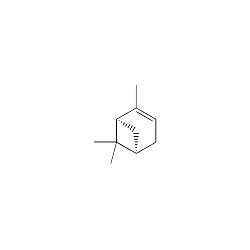 | 6816217785-70-8 | 1×1 ml | Bitte anmelden | |
ISO 17034 Reference Material (1S)-(-)-alpha-Pinene |  | 6816227785-26-4 | 1×1 ml | auf Anfrage | |
ISO 17034 Reference Material (-)-beta-Pinene | 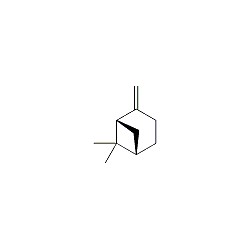 | 68162318172-67-3 | 1×1 ml | Bitte anmelden | |
ISO 17034 Reference Material beta-Pinene | 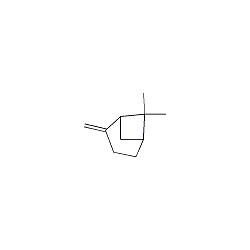 | 682791127-91-3 | 1×250 mg | Bitte anmelden | |
ISO 17034 Certified Reference Material D3-alpha-PineneKonzentration: 100 µg/ml Lösungsmittel: Cyclohexane | 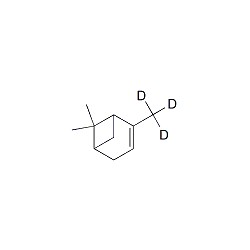 | 68752175352-01-1 | 1×1 ml | Bitte anmelden | |
| alpha-Pinene | 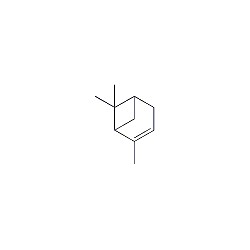 | 69016580-56-8 | 1×100 mg | Bitte anmelden | |
ISO 17034 Reference Material (+)-beta-Pinene | 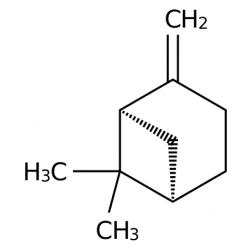 | 69267519902-08-0 | 1×100 mg | auf Anfrage | |
ISO 17034 Certified Reference Material (-)-beta-Pinene | 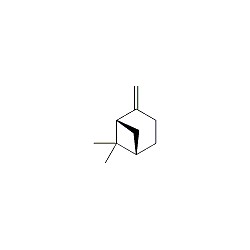 | 69418618172-67-3 | 1×1 ml | Bitte anmelden | |
Pinene
High-purity reference materials for accurate and reliable residue analysis.
Overview
Pinene is a collection of unsaturated bicyclic monoterpenes, primarily found in plants. It exists in two geometric isomers: α-pinene and β-pinene, both of which are chiral. Pinene is a major component of the liquid extracts of conifers and is also found in non-coniferous plants such as camphorweed and big sagebrush.
Pinene is widely encountered in nature and is a significant component of essential oils from various plants including Sideritis spp. (ironwort) and Salvia spp. (sage). It is also present in Cannabis and the resin of Pistacia terebinthus (turpentine tree).
Uses
Pinenes, especially α-pinene, are the primary constituents of turpentine, a nature-derived solvent and fuel. The use of pinene as a biofuel in spark ignition engines has been explored, and pinene dimers have heating values comparable to jet fuel JP-10.
Regulatory
Pinene is regulated under various international standards to ensure its safe use in food and environmental analysis. Laboratories must adhere to these regulations to ensure compliance with safety and quality requirements.
Monitoring
Regular monitoring of pinene levels is essential in laboratories conducting food and environmental analysis. High-purity reference materials are used to ensure accurate and reliable residue analysis, meeting international quality requirements.
Health Impact
Pinene is known to be highly repellent to insects. However, its health impacts on humans are minimal when used in regulated amounts. Proper handling and usage guidelines must be followed to avoid any adverse effects.
Environmental Impact
Pinene is a naturally occurring compound and is biodegradable. Its environmental impact is generally low, but excessive use or improper disposal can lead to environmental concerns. Laboratories must follow proper disposal guidelines to minimize environmental impact.
Safety Measure
Handling pinene requires adherence to safety measures to prevent exposure and accidents. Laboratories must use appropriate personal protective equipment (PPE) and follow safety protocols during the handling and analysis of pinene.
Analytical Standards
HPC Standards GmbH provides high-purity reference materials for pinene, ensuring accurate and reliable residue analysis. Our products are tested according to international quality requirements and meet the highest industrial standards. These reference materials are essential for laboratories conducting food and environmental analysis to ensure compliance with regulatory limits.