


Oxycarboxin
High-Purity Oxycarboxin Reference Materials for Accurate Residue Analysis
Ensure precise and reliable residue analysis with our high-purity Oxycarboxin reference materials, tested to meet international quality standards. Essential for laboratories conducting food and environmental analysis, our products help you comply with regulatory limits and protect public health.
Filter
| Produkt | Bild | Artikelnummer/ CAS-Nr. | Füllmenge | Preis |
|---|---|---|---|---|
ISO 17034 Reference Material Oxycarboxin | 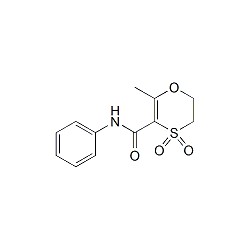 | 6799585259-88-1 | 1×100 mg | Bitte anmelden |
ISO 17034 Certified Reference Material OxycarboxinKonzentration: 100 µg/ml Lösungsmittel: Acetonitrile | 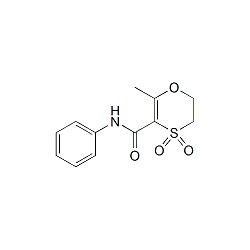 | 6838385259-88-1 | 1×1 ml | Bitte anmelden |
ISO 17034 Certified Reference Material Oxycarboxin | 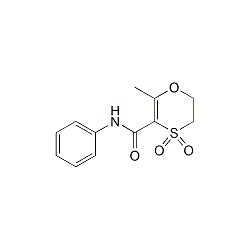 | 6917705259-88-1 | 1×50 mg | Bitte anmelden |
Oxycarboxin Reference Materials
Ensure precise and reliable residue analysis with our high-purity Oxycarboxin reference materials, tested to meet international quality standards.
Overview
Oxycarboxin is an organic chemical used in agriculture to protect crops from fungal diseases. It acts as an inhibitor of succinate dehydrogenase (SDHI), preventing the functionality of the tricarboxylic acid cycle and electron transport chain.
Uses
Oxycarboxin is primarily used to control rust diseases, such as soybean rust, at an application rate of 200–400 g/ha. It has been commercially available since 1969 under various brand names including Plantvax.
Regulatory
Oxycarboxin must comply with various regulatory standards to ensure its safe use in agricultural practices. Laboratories must ensure accurate residue analysis to meet these regulatory requirements.
Monitoring
Regular monitoring of Oxycarboxin residues in food and the environment is essential to ensure compliance with regulatory limits and to protect public health.
Health Impact
Human toxicity
Exposure to Oxycarboxin should be managed carefully due to its potential toxic effects on humans. Proper safety measures must be in place to minimize exposure.
Environmental Impact
Effects on wildlife
Oxycarboxin can have adverse effects on wildlife, particularly aquatic organisms. Its use must be managed to minimize environmental contamination.
Safety Measure
Proper handling and application procedures should be followed to ensure safety when using Oxycarboxin. Personal protective equipment (PPE) and adherence to safety guidelines are essential.
Regulation
Compliance with international and local regulations is mandatory for the use of Oxycarboxin in agricultural practices. These regulations aim to protect human health and the environment.
Analytical Standards
Our high-purity reference materials for Oxycarboxin are essential for laboratories conducting food and environmental analysis. These materials ensure accurate and reliable residue analysis, helping laboratories meet regulatory requirements.