


Oxolinic acid
Ensure Accurate Residue Analysis with High-Purity Oxolinic Acid Reference Materials
HPC Standards GmbH offers top-tier, high-purity reference materials for Oxolinic Acid, essential for precise and reliable residue analysis. Our products meet international quality standards, ensuring your laboratory's compliance with regulatory limits in food and environmental analysis. Trust HPC Standards GmbH as your competent partner in delivering excellence in analytical standards.
Filter
| Produkt | Bild | Artikelnummer/ CAS-Nr. | Füllmenge | Preis |
|---|---|---|---|---|
ISO 17034 Reference Material Oxolinic acid | 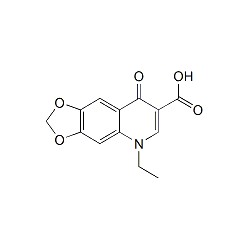 | 67489614698-29-4 | 1×250 mg | Bitte anmelden |
ISO 17034 Reference Material D5-Oxolinic acid | 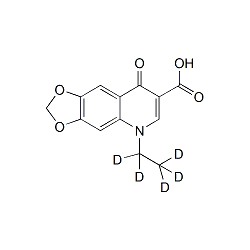 | 6795601189890-98-9 | 1×10 mg | Bitte anmelden |
ISO 17034 Certified Reference Material D5-Oxolinic acidKonzentration: 100 µg/ml Lösungsmittel: Methanol | 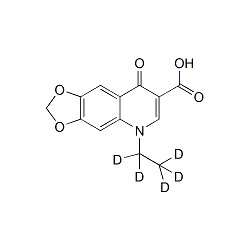 | 6908931189890-98-9 | 1×1 ml | Bitte anmelden |
Oxolinic Acid
High-purity reference materials for accurate and reliable residue analysis.
Overview
Oxolinic acid is a quinolone antibiotic developed in Japan in the 1970s. It is used primarily for its antibacterial properties, targeting the enzyme DNA gyrase.
Uses
Oxolinic acid is used in veterinary medicine to treat bacterial infections. Dosages typically range from 12–20 mg/kg, administered orally for five to ten days.
Regulatory
Oxolinic acid is regulated under various international guidelines to ensure its safe use in food and environmental analysis. Compliance with these regulations is essential for laboratories.
Monitoring
Regular monitoring of oxolinic acid residues in food and environmental samples is crucial for ensuring compliance with regulatory limits and maintaining public health safety.
Health Impact
Human Toxicity
Oxolinic acid works by inhibiting DNA gyrase and acts as a dopamine reuptake inhibitor. It has stimulant effects in mice and requires careful handling to avoid potential human toxicity.
Environmental Impact
Effects on Wildlife
As an antibiotic, oxolinic acid can have adverse effects on wildlife, particularly aquatic organisms. Proper disposal and environmental monitoring are necessary to mitigate these impacts.
Safety Measures
Proper safety measures, including the use of personal protective equipment (PPE) and adherence to handling guidelines, are essential when working with oxolinic acid to prevent exposure and contamination.
Regulation
Oxolinic acid is subject to strict regulatory controls to ensure its safe use in food and environmental analysis. Laboratories must adhere to these regulations to maintain compliance and ensure the accuracy of their analyses.
Analytical Standards
HPC Standards GmbH provides high-purity reference materials for oxolinic acid, tested according to international quality requirements and meeting the highest industrial standards. These reference materials are essential for laboratories conducting food and environmental analysis to ensure compliance with regulatory limits.