

Difenoconazole
High-Purity Difenoconazole Reference Materials for Precise Residue Analysis
Ensure the highest accuracy in your residue analysis with HPC Standards GmbH's high-purity Difenoconazole reference materials. Our products are rigorously tested to meet international quality standards, making them indispensable for laboratories focused on food and environmental safety. Trust HPC Standards for reliable and compliant analytical solutions.
Filter
| Produkt | Bild | Artikelnummer/ CAS-Nr. | Füllmenge | Preis |
|---|---|---|---|---|
ISO 17034 Reference Material Difenoconazole | 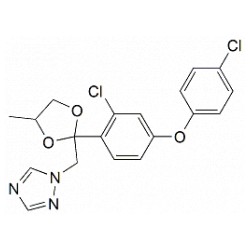 | 672841119446-68-3 | 1×250 mg | Bitte anmelden |
ISO 17034 Certified Reference Material DifenoconazoleKonzentration: 10 µg/ml Lösungsmittel: Ethyl acetate | 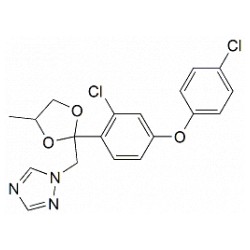 | 673553119446-68-3 | 1×10 ml | Bitte anmelden |
ISO 17034 Reference Material Difenoconazole Metabolite CGA-205374 | 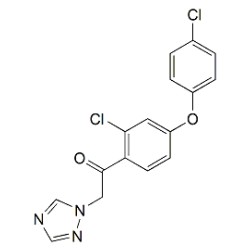 | 675705136815-80-0 | 1×10 mg | Bitte anmelden |
ISO 17034 Certified Reference Material DifenoconazoleKonzentration: 100 µg/ml Lösungsmittel: Acetonitrile | 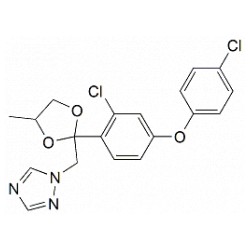 | 678392119446-68-3 | 1×5 ml | Bitte anmelden |
ISO 17034 Certified Reference Material D4-DifenoconazoleKonzentration: 100 µg/ml Lösungsmittel: Acetonitrile | 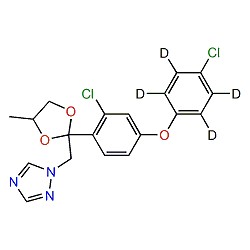 | 679306 | 1×1 ml | Bitte anmelden |
ISO 17034 Certified Reference Material DifenoconazoleKonzentration: 10.0 µg/ml Lösungsmittel: Acetonitrile | 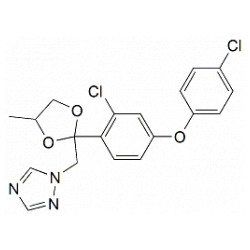 | 689986119446-68-3 | 1×10 ml | Bitte anmelden |
ISO 17034 Certified Reference Material Difenoconazole | 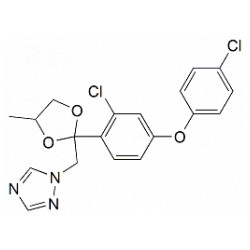 | 691291119446-68-3 | 1×100 mg | Bitte anmelden |
Difenoconazole
High-purity reference materials for accurate residue analysis
Overview
Difenoconazole is a broad-spectrum fungicide used to protect crops from a variety of fungal diseases. It belongs to the triazole class of fungicides and works by inhibiting the biosynthesis of ergosterol, an essential component of fungal cell membranes.
Uses
Difenoconazole is widely used in agriculture to control fungal diseases in crops such as cereals, fruits, vegetables, and ornamentals. It is effective against a range of pathogens including powdery mildew, leaf spots, and rusts.
Regulatory
Difenoconazole is regulated by various international bodies to ensure its safe use in agriculture. Maximum residue limits (MRLs) are established to control the amount of difenoconazole residue allowed in food products, ensuring consumer safety.
Monitoring
Regular monitoring of difenoconazole residues in food and the environment is essential to ensure compliance with regulatory limits. Analytical methods such as liquid chromatography and mass spectrometry are commonly used for this purpose.
Health Impact
Exposure to difenoconazole can occur through ingestion, inhalation, or skin contact. While it is generally considered to have low acute toxicity, long-term exposure may have potential health impacts. Proper safety measures should be taken to minimize exposure.
Environmental Impact
Difenoconazole can persist in the environment and may pose risks to non-target organisms such as aquatic life and beneficial insects. Its environmental impact is assessed through rigorous testing and monitoring to ensure it does not adversely affect ecosystems.
Safety Measure
When handling difenoconazole, it is important to use personal protective equipment (PPE) such as gloves, masks, and protective clothing. Proper storage and disposal practices should be followed to prevent accidental release into the environment.
Analytical Standards
HPC Standards GmbH provides high-purity reference materials for difenoconazole, ensuring accurate and reliable residue analysis. Our products are tested according to international quality requirements and meet the highest industrial standards, making them essential for laboratories conducting food and environmental analysis.