


Dichloronitrobenzene
High-Purity Dichloronitrobenzene Reference Materials for Accurate Residue Analysis
Ensure precise and reliable residue analysis in food and environmental samples with our high-purity Dichloronitrobenzene reference materials. HPC Standards GmbH offers top-quality products that meet international standards, essential for laboratories focused on compliance and safety in industrial chemical synthesis.
Filter
| Produkt | Bild | Artikelnummer/ CAS-Nr. | Füllmenge | Preis |
|---|---|---|---|---|
| 3,5-Dichloronitrobenzene | 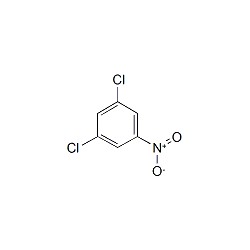 | 676430618-62-2 | 1×250 mg | Bitte anmelden |
| 3,4-Dichloronitrobenzene | 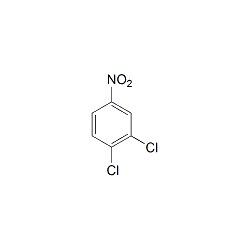 | 67995499-54-7 | 1×250 mg | Bitte anmelden |
| 2,3-Dichloronitrobenzene | 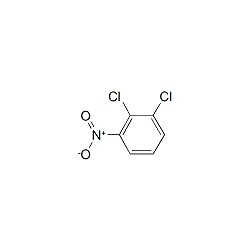 | 6800733209-22-1 | 1×250 mg | Bitte anmelden |
ISO 17034 Reference Material 2,4-Dichloronitrobenzene | 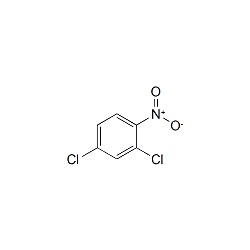 | 680074611-06-3 | 1×250 mg | Bitte anmelden |
Dichloronitrobenzene
High-purity reference materials for accurate residue analysis in food and environmental samples.
Overview
Dichloronitrobenzene refers to a group of chemical compounds with two chlorine atoms and one nitro group attached to a benzene ring. These compounds are primarily used in industrial applications as intermediates in the synthesis of dyes, pesticides, and other organic compounds.
Uses
Dichloronitrobenzene is employed in the manufacture of various chemical products, including dyes, pesticides, and pharmaceuticals. Its role as an intermediate makes it crucial in industrial chemical synthesis.
Regulatory
Regulatory bodies have established specific guidelines for the safe handling and disposal of dichloronitrobenzene. Compliance with these regulations ensures minimal environmental and health risks.
Monitoring
Regular monitoring of dichloronitrobenzene levels in industrial and environmental settings is essential to prevent contamination and ensure safety. Analytical methods such as gas chromatography and mass spectrometry are commonly used for this purpose.
Health Impact
Human Toxicity
Exposure to dichloronitrobenzene can lead to various health issues, including skin irritation, respiratory problems, and potential long-term effects such as carcinogenicity. Proper safety measures and protective equipment are necessary to mitigate these risks.
Environmental Impact
Effects on Wildlife
Dichloronitrobenzene can have detrimental effects on wildlife, particularly aquatic organisms. Its persistence in the environment and potential to bioaccumulate necessitate stringent monitoring and control measures.
Safety Measures
To ensure safe handling of dichloronitrobenzene, appropriate personal protective equipment (PPE), such as gloves and masks, should be used. Additionally, proper ventilation and adherence to safety protocols are crucial.
Regulation
International and national regulations govern the production, use, and disposal of dichloronitrobenzene. These regulations aim to protect human health and the environment from potential hazards associated with this compound.
Analytical Standards
HPC Standards GmbH provides high-purity reference materials for dichloronitrobenzene, ensuring accurate and reliable residue analysis. Our products meet international quality requirements and the highest industrial standards, making them essential for laboratories conducting food and environmental analysis.