


Dichlobenil
Unlock Precision in Dichlobenil Residue Analysis with HPC Standards
Ensure your laboratory's accuracy with our high-purity Dichlobenil reference materials. Designed for precise residue analysis, our products meet international quality standards, making them indispensable for food and environmental testing. Trust HPC Standards GmbH for reliable results and regulatory compliance.
Filter
| Produkt | Bild | Artikelnummer/ CAS-Nr. | Füllmenge | Preis |
|---|---|---|---|---|
ISO 17034 Reference Material Dichlobenil | 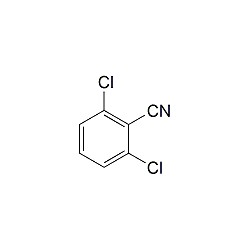 | 6728381194-65-6 | 1×250 mg | Bitte anmelden |
ISO 17034 Certified Reference Material DichlobenilKonzentration: 100 µg/ml Lösungsmittel: Acetonitrile | 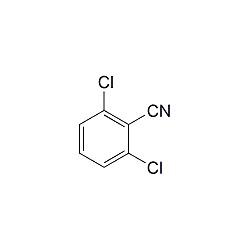 | 6753021194-65-6 | 1×5 ml | Bitte anmelden |
ISO 17034 Certified Reference Material Dichlobenil | 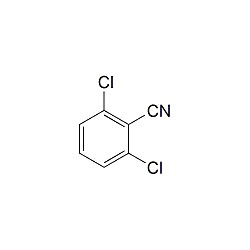 | 6924921194-65-6 | 1×100 mg | Bitte anmelden |
Dichlobenil Reference Materials
High-purity reference materials for accurate Dichlobenil residue analysis
Overview
Dichlobenil is a herbicide used to control broadleaf weeds and grasses. It is a nitrile compound that inhibits cell division in plants, making it effective in managing unwanted vegetation.
Uses
Dichlobenil is primarily used in agricultural settings, public spaces, and industrial areas to manage weed growth. It is also applied in non-crop areas such as railways, roadsides, and industrial sites.
Regulatory
Dichlobenil is regulated by various international and national bodies to ensure its safe use. Regulatory limits are established to control its residue levels in food and the environment, ensuring they do not exceed safe thresholds.
Monitoring
Regular monitoring of Dichlobenil residues in food and environmental samples is crucial. Laboratories use high-purity reference materials to ensure the accuracy and reliability of their analytical results.
Health Impact
Human toxicity
Exposure to Dichlobenil can pose health risks to humans. It is important to adhere to safety guidelines to minimize exposure and prevent potential toxic effects.
Environmental Impact
Effects on wildlife
Dichlobenil can affect wildlife, particularly aquatic organisms and plants. Proper application and adherence to regulatory guidelines are essential to mitigate its environmental impact.
Safety Measures
Proper safety measures, including the use of personal protective equipment and adherence to application guidelines, are necessary when handling Dichlobenil to ensure the safety of users and the environment.
Regulation
Various regulations govern the use of Dichlobenil to ensure it is applied safely and effectively. Compliance with these regulations is essential for minimizing risks to human health and the environment.
Analytical Standards
HPC Standards GmbH provides high-purity reference materials for Dichlobenil. These materials are tested according to international quality requirements and meet the highest industrial standards, ensuring accurate and reliable residue analysis for laboratories conducting food and environmental analysis.