

Chlorotoluron
High-Purity Chlorotoluron Reference Materials for Precise Residue Analysis
Ensure the accuracy and reliability of your residue analysis with HPC Standards GmbH's high-purity Chlorotoluron reference materials. Our products meet international quality requirements and the highest industrial standards, making them indispensable for laboratories focused on food and environmental analysis. Trust HPC Standards for your Chlorotoluron needs and achieve compliance with regulatory limits effortlessly.
Filter
| Produkt | Bild | Artikelnummer/ CAS-Nr. | Füllmenge | Preis |
|---|---|---|---|---|
ISO 17034 Certified Reference Material ChlorotoluronKonzentration: 10.0 µg/ml Lösungsmittel: Acetonitrile | 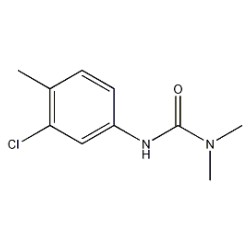 | 67335415545-48-9 | 1×10 ml | Bitte anmelden |
ISO 17034 Certified Reference Material ChlorotoluronKonzentration: 100 µg/ml Lösungsmittel: Acetonitrile | 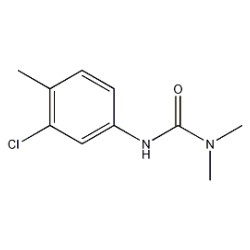 | 67335515545-48-9 | 1×5 ml | Bitte anmelden |
ISO 17034 Reference Material Chlorotoluron | 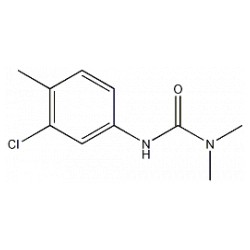 | 67383615545-48-9 | 1×250 mg | Bitte anmelden |
| D6-Chlorotoluron | 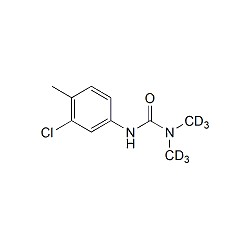 | 6750071219803-48-1 | 1×5 mg | Bitte anmelden |
ISO 17034 Certified Reference Material D6-ChlorotoluronKonzentration: 100 µg/ml Lösungsmittel: Acetone | 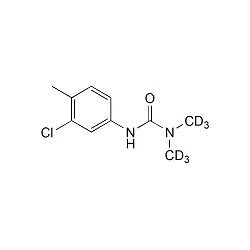 | 6768961219803-48-1 | 1×1 ml | Bitte anmelden |
ISO 17034 Certified Reference Material Chlorotoluron | 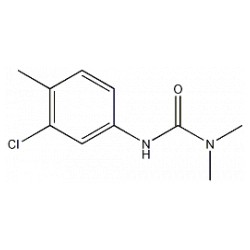 | 68870115545-48-9 | 1×100 mg | Bitte anmelden |
Chlorotoluron
High-purity reference materials for accurate residue analysis in food and environmental samples.
Overview
Chlorotoluron, also known as N′-(3-Chloro-4-methylphenyl)-N,N-dimethylurea, is an organic compound belonging to the phenylurea class of herbicides. It is primarily used to control broadleaf and annual grass weeds in cereal crops.
Its chemical formula is C10H13ClN2O, with a molar mass of 212.676 g/mol. Chlorotoluron has a melting point of 148°C.
Uses
Chlorotoluron is used in agriculture to manage weeds in cereal crops such as wheat and barley. It is effective against a variety of weeds, including Alopecurus myosuroides, Anthemis arvensis, Atriplex prostrata, and others.
It is often used in combination with other herbicides like diflufenican and pendimethalin to enhance its efficacy.
Regulatory
Chlorotoluron was first licensed for use in the European Union in 1994, with its approval extended until October 2021. It is subject to stringent regulatory controls to ensure its safe use in agricultural practices.
Monitoring
Regular monitoring of Chlorotoluron residues in food and environmental samples is essential to ensure compliance with regulatory limits. Laboratories use high-purity reference materials to achieve accurate and reliable analysis results.
Health Impact
Chlorotoluron is classified with hazard statements H351 (suspected of causing cancer), H361d (suspected of damaging the unborn child), and H410 (very toxic to aquatic life with long-lasting effects). Proper handling and usage are crucial to minimize health risks.
Environmental Impact
Chlorotoluron poses significant risks to aquatic environments due to its toxicity. It is crucial to follow recommended application guidelines to prevent contamination of water bodies and to protect aquatic life.
Safety Measure
Safety measures for handling Chlorotoluron include wearing protective clothing, using appropriate application equipment, and adhering to precautionary statements such as P201 (obtain special instructions before use) and P273 (avoid release to the environment).
Analytical Standards
HPC Standards GmbH provides high-purity reference materials for Chlorotoluron, ensuring accurate and reliable residue analysis. Our products meet international quality requirements and the highest industrial standards, making them essential for laboratories conducting food and environmental analysis.