


Caffeine
Accurate Caffeine Residue Analysis with High-Purity Reference Materials
Ensure precise and reliable caffeine residue analysis with our high-purity reference materials. Essential for laboratories in food and environmental sectors, our products meet international quality standards, helping you comply with regulatory limits and maintain product safety. Trust HPC Standards GmbH for your analytical needs.
Filter
| Produkt | Bild | Artikelnummer/ CAS-Nr. | Füllmenge | Preis | |
|---|---|---|---|---|---|
ISO 17034 Reference Material Caffeine | 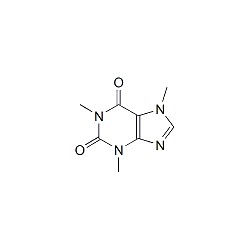 | 67730058-08-2 | 1×250 mg | Bitte anmelden | |
ISO 17034 Certified Reference Material CaffeineKonzentration: 100 µg/ml Lösungsmittel: Methanol | 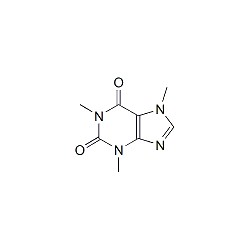 | 67730158-08-2 | 1×1 ml | Bitte anmelden | |
ISO 17034 Reference Material 13C3-Caffeine | 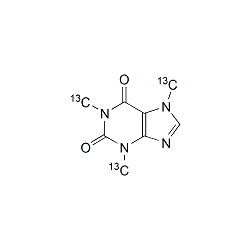 | 68042478072-66-9 | 1×10 mg | Bitte anmelden | |
ISO 17034 Certified Reference Material 13C3-CaffeineKonzentration: 100 µg/ml Lösungsmittel: Methanol | 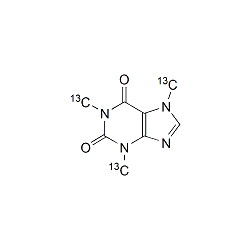 | 68149178072-66-9 | 1×1 ml | Bitte anmelden | |
ISO 17034 Certified Reference Material Caffeine | 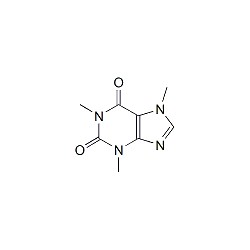 | 69233758-08-2 | 1×100 mg | Bitte anmelden | |
ISO 17034 Reference Material D3-Caffeine | 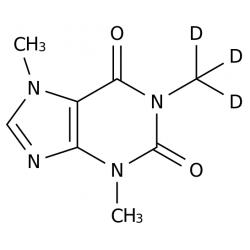 | 69387426351-03-1 | 1×10 mg | auf Anfrage | |
Caffeine Reference Materials
High-purity reference materials for accurate and reliable residue analysis of caffeine.
Overview
Caffeine is a central nervous system stimulant commonly found in coffee, tea, and various energy drinks. It is widely consumed globally and is also used in pharmaceuticals and dietary supplements.
Uses
Caffeine is used for its stimulating effects to reduce fatigue and improve concentration. It is also used in medical settings for treating certain types of headaches and in combination with other medications for pain relief.
Regulatory
Regulatory bodies such as the FDA and EFSA have set specific limits for caffeine content in food and beverages to ensure consumer safety. Compliance with these regulations is mandatory for manufacturers.
Monitoring
Regular monitoring of caffeine levels in food, beverages, and pharmaceuticals is essential to ensure compliance with regulatory limits and to maintain product safety and efficacy.
Health Impact
Human toxicity
While moderate caffeine consumption is generally safe for most individuals, excessive intake can lead to adverse effects such as insomnia, jitteriness, increased heart rate, and in severe cases, toxicity.
Environmental Impact
Effects on wildlife
Caffeine can enter water systems through various channels, potentially affecting aquatic life. Studies have shown that high concentrations of caffeine can have detrimental effects on the behavior and physiology of aquatic organisms.
Safety Measure
Proper handling and storage of caffeine reference materials are crucial to ensure their stability and accuracy. Use appropriate personal protective equipment (PPE) when handling these substances.
Regulation
Adherence to international quality standards and regulatory guidelines is essential for the manufacture and distribution of caffeine reference materials. This ensures the reliability and accuracy of residue analysis.
Analytical Standards
Our high-purity caffeine reference materials are tested according to international quality requirements and meet the highest industrial standards. They are essential for laboratories conducting food and environmental analysis to ensure compliance with regulatory limits.