


Butyl methyl ether
High-Purity Butyl Methyl Ether: Essential for Accurate Residue Analysis
Ensure the highest accuracy in your residue analysis with our high-purity Butyl Methyl Ether reference materials. Trusted by laboratories worldwide, our products meet stringent international quality standards, providing reliable results for food and environmental testing. Partner with HPC Standards GmbH for unparalleled expertise in high-purity analytical standards.
Filter
| Produkt | Bild | Artikelnummer/ CAS-Nr. | Füllmenge | Preis |
|---|---|---|---|---|
ISO 17034 Certified Reference Material tert-Butyl methyl etherKonzentration: 100 µg/ml Lösungsmittel: Methanol | 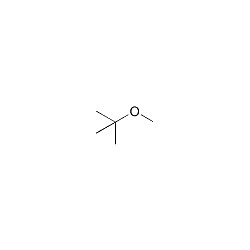 | 6782461634-04-4 | 1×1 ml | Bitte anmelden |
ISO 17034 Reference Material tert-Butyl methyl ether | 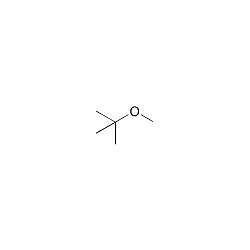 | 6791411634-04-4 | 1×5 ml | Bitte anmelden |
ISO 17034 Certified Reference Material tert-Butyl methyl etherKonzentration: 10 µg/ml Lösungsmittel: Methanol | 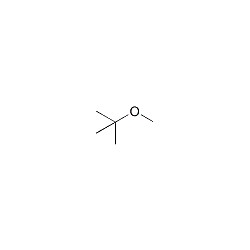 | 6792061634-04-4 | 1×10 ml | Bitte anmelden |
| D3-tert-Butyl methyl ether | 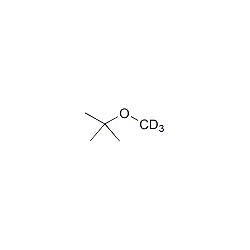 | 68178329366-08-3 | 1×100 mg | Bitte anmelden |
ISO 17034 Certified Reference Material D3-tert-Butyl methyl etherKonzentration: 1000 µg/ml Lösungsmittel: Methanol | 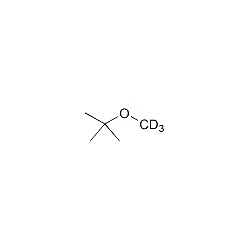 | 68726729366-08-3 | 1×5 ml | Bitte anmelden |
Butyl Methyl Ether
High-purity reference materials for accurate residue analysis
Overview
Butyl Methyl Ether, also known as methyl tert-butyl ether (MTBE), is an organic compound used primarily as a fuel additive to increase octane and reduce engine knocking. It has the chemical formula C5H12O and is a volatile, flammable, and colorless liquid with a distinctive odor.
Uses
MTBE is widely used in the petroleum industry as an oxygenate to raise the octane number of gasoline, thereby improving combustion efficiency and reducing emissions. It is also used as a solvent in the chemical industry.
Regulatory
Regulations regarding the use of MTBE vary globally. In some regions, its use is restricted or banned due to environmental concerns, particularly contamination of water supplies. Regulatory agencies such as the Environmental Protection Agency (EPA) in the United States have set guidelines and limits for MTBE levels in drinking water.
Monitoring
Monitoring of MTBE in environmental samples, especially water, is crucial due to its potential for contamination. Laboratories use high-purity reference materials to ensure accurate and reliable analysis of MTBE residues in various matrices.
Health Impact
Exposure to MTBE can occur through inhalation, ingestion, or skin contact. It is important to assess the potential human toxicity of MTBE to ensure safety.
Human Toxicity
MTBE has been associated with various health effects, including headaches, dizziness, and nausea. Long-term exposure may have more serious health implications, and therefore, it is critical to adhere to safety guidelines and exposure limits.
Environmental Impact
MTBE is highly soluble in water, making it a persistent contaminant in groundwater and surface water. Its presence in the environment can have detrimental effects on ecosystems.
Effects on Wildlife
MTBE contamination can adversely affect aquatic life and wildlife. It is important to monitor and mitigate its impact to preserve environmental health.
Safety Measures
Proper handling and storage of MTBE are essential to minimize exposure and environmental contamination. Safety measures include using protective equipment and following regulatory guidelines for disposal.
Regulation
Various international and national regulations govern the use and disposal of MTBE. Compliance with these regulations ensures the protection of human health and the environment.
Analytical Standards
High-purity reference materials for MTBE are essential for laboratories conducting residue analysis. These reference materials ensure the accuracy and reliability of analytical results, helping laboratories meet regulatory requirements and maintain high standards of quality.