

Butanol
Unlock Precision with High-Purity Butanol Reference Materials
Ensure accurate and reliable residue analysis with HPC Standards GmbH's high-purity Butanol reference materials. Our products meet the highest industrial standards and are essential for laboratories conducting food and environmental analysis. Trust in our expertise to maintain compliance with regulatory limits and achieve unparalleled precision in your analytical processes.
Filter
| Produkt | Bild | Artikelnummer/ CAS-Nr. | Füllmenge | Preis |
|---|---|---|---|---|
ISO 17034 Certified Reference Material D10-1-ButanolKonzentration: 100 µg/ml Lösungsmittel: Acetonitrile | 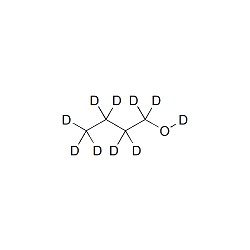 | 67781134193-38-9 | 1×1 ml | Bitte anmelden |
ISO 17034 Reference Material 1-Butanol | 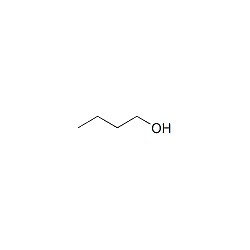 | 67832471-36-3 | 1×5 ml | Bitte anmelden |
ISO 17034 Reference Material 2-Butanol | 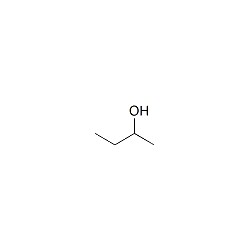 | 68015678-92-2 | 1×5 ml | Bitte anmelden |
| tert-Butanol | 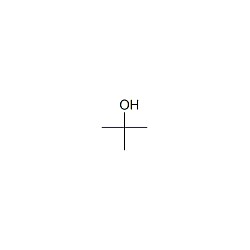 | 68163375-65-0 | 1×1 ml | Bitte anmelden |
ISO 17034 Reference Material D10-1-Butanol | 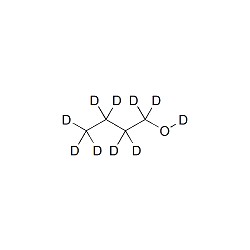 | 68570634193-38-9 | 1×1000 mg | Bitte anmelden |
ISO 17034 Certified Reference Material tert-ButanolKonzentration: 1000 µg/ml Lösungsmittel: Methanol | 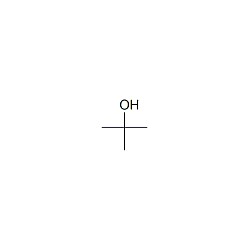 | 68880975-65-0 | 1×5 ml | Bitte anmelden |
ISO 17034 Certified Reference Material 1-ButanolKonzentration: 1000 µg/ml Lösungsmittel: Methanol | 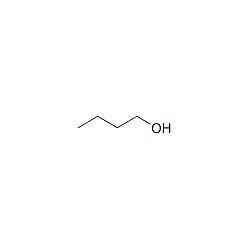 | 69460971-36-3 | 1×5 ml | Bitte anmelden |
Butanol
High-purity reference materials for accurate and reliable residue analysis of Butanol.
Overview
Butanol, also known as butyl alcohol, is a four-carbon alcohol with the formula C4H9OH. It exists in five isomeric structures, including 1-butanol, sec-butanol, isobutanol, and tert-butanol. These isomers are used in various industrial applications, primarily as solvents and intermediates in chemical synthesis.
Uses
Butanol is widely used as a solvent in chemical and textile processes, organic synthesis, paint thinners, and coating applications. It is also a key reactant in the production of butyl acrylate, a primary ingredient in water-based acrylic paint. Additionally, butanol serves as a base for perfumes and is used in hydraulic and brake fluids.
Regulatory
Butanol is subject to various regulatory standards to ensure safe handling and usage. Compliance with these standards is essential for laboratories and industries utilizing butanol in their processes.
Monitoring
Regular monitoring of butanol levels in environmental and food samples is crucial to ensure compliance with regulatory limits. High-purity reference materials from HPC Standards GmbH facilitate accurate residue analysis.
Health Impact
Human Toxicity
Butanol exhibits low toxicity in single-dose experiments with laboratory animals and is considered safe for use in cosmetics. However, repeated overexposure can depress the central nervous system and cause severe eye and moderate skin irritation. Prolonged exposure to butanol vapors can lead to central nervous system suppression and, in extreme cases, death.
Environmental Impact
Effects on Wildlife
Butanol can have various effects on wildlife, depending on its concentration and exposure duration. Proper handling and disposal are necessary to minimize environmental impact.
Safety Measures
Implementing safety measures, such as proper ventilation, protective equipment, and regular monitoring, is essential when handling butanol to prevent health hazards and environmental contamination.
Regulation
Butanol is regulated under various international standards to ensure its safe use in industrial and laboratory settings. Compliance with these regulations is mandatory for all entities utilizing butanol.
Analytical Standards
HPC Standards GmbH provides high-purity reference materials for butanol, ensuring accurate and reliable residue analysis. Our products meet the highest industrial standards and are tested according to international quality requirements, making them essential for laboratories conducting food and environmental analysis.