


Tributyltin chloride
High-Purity Tributyltin Chloride for Precise Residue Analysis
Ensure compliance and accuracy in your food and environmental testing with our high-purity Tributyltin chloride reference materials. Essential for laboratories, our products meet the highest industrial standards and international quality requirements. Protect aquatic life and adhere to regulatory limits with reliable and precise residue analysis.
Filter
| Product | Image | Catalog No./ CAS No. | Quantity | Price |
|---|---|---|---|---|
ISO 17034 Reference Material Tributyltin chloride | 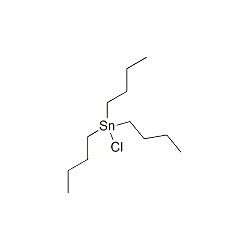 | 6764701461-22-9 | 1×250 mg | Please log in |
ISO 17034 Reference Material D27-Tributyltin chloride | 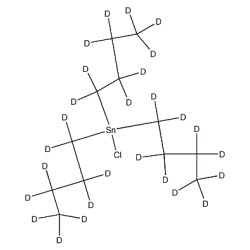 | 6863081257647-76-9 | 1×10 mg | Please log in |
Tributyltin Chloride
High-purity reference materials for precise residue analysis in food and environmental samples.
Overview
Tributyltin chloride (TBTCl) is an organotin compound commonly used as a biocide. It is primarily employed in marine antifouling paints to prevent the growth of algae, barnacles, and other marine organisms on ships and underwater structures.
Uses
TBTCl is widely used in marine applications, including ship hulls, docks, and fishing nets. It is also used in wood preservation, textiles, and industrial water systems.
Regulatory
Due to its toxicity and environmental persistence, the use of TBTCl has been heavily regulated. Many countries have imposed bans or severe restrictions on its use, particularly in marine environments.
Monitoring
Regular monitoring of TBTCl levels in marine and freshwater environments is essential to ensure compliance with regulatory limits and to protect aquatic life. Analytical methods such as gas chromatography-mass spectrometry (GC-MS) are commonly used for this purpose.
Health Impact
Human Toxicity
Exposure to TBTCl can have serious health effects, including skin and eye irritation, respiratory issues, and potential endocrine disruption. Long-term exposure may lead to more severe health problems.
Environmental Impact
Effects on Wildlife
TBTCl is highly toxic to aquatic organisms, affecting the reproductive and developmental processes of fish, mollusks, and other marine life. It can also bioaccumulate in the food chain, posing risks to higher trophic levels.
Safety Measure
Appropriate safety measures should be taken when handling TBTCl, including the use of personal protective equipment (PPE) and proper ventilation. Spills should be contained and cleaned up immediately to prevent environmental contamination.
Regulation
International bodies such as the International Maritime Organization (IMO) have established guidelines and regulations to limit the use of TBTCl in antifouling paints. Compliance with these regulations is crucial for environmental protection.
Analytical Standards
Our high-purity reference materials for TBTCl are essential for laboratories conducting residue analysis. These materials ensure accurate and reliable results, helping to meet international quality requirements and regulatory standards.