


Thiamethoxam
Unlock Precision with High-Purity Thiamethoxam Reference Materials
Ensure accurate and reliable residue analysis with our high-purity Thiamethoxam reference materials. Essential for laboratories in food and environmental analysis, our products meet the highest international quality standards, helping you maintain compliance with regulatory limits. Partner with HPC Standards GmbH for unparalleled expertise in pesticide residue analysis.
Filter
| Product | Image | Catalog No./ CAS No. | Quantity | Price |
|---|---|---|---|---|
ISO 17034 Reference Material Thiamethoxam | 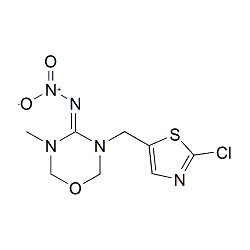 | 672895153719-23-4 | 1×100 mg | Please log in |
ISO 17034 Certified Reference Material ThiamethoxamConcentration: 10.0 µg/ml Solvent: Acetonitrile | 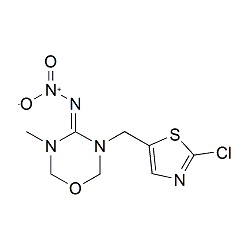 | 673454153719-23-4 | 1×10 ml | Please log in |
ISO 17034 Certified Reference Material ThiamethoxamConcentration: 100 µg/ml Solvent: Acetonitrile | 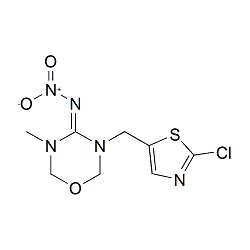 | 673455153719-23-4 | 1×5 ml | Please log in |
ISO 17034 Certified Reference Material D3-ThiamethoxamConcentration: 100 µg/ml Solvent: Acetone | 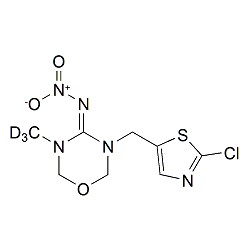 | 6740661294048-82-0 | 1×1 ml | Please log in |
ISO 17034 Certified Reference Material Thiamethoxam | 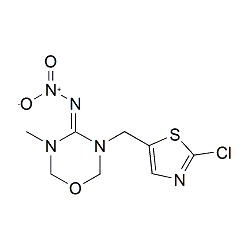 | 691749153719-23-4 | 1×50 mg | Please log in |
Thiamethoxam
High-purity reference materials for accurate and reliable residue analysis
Overview
Thiamethoxam is a neonicotinoid insecticide used to control a variety of pests. It is known for its systemic properties, allowing it to be absorbed by plants and protect them from within.
Uses
Thiamethoxam is widely used in agriculture to protect crops such as corn, soybeans, and cotton from insect pests. It is also used in horticulture and turf management.
Regulatory
Thiamethoxam is regulated by various international bodies, including the EPA in the United States and the European Food Safety Authority (EFSA) in the European Union. It is subject to maximum residue limits (MRLs) to ensure food safety.
Monitoring
The presence of Thiamethoxam residues in food and the environment is closely monitored using high-purity reference materials to ensure compliance with regulatory standards.
Health Impact
Human Toxicity
Thiamethoxam is considered moderately toxic to humans. Exposure can occur through ingestion, inhalation, or skin contact, and it can cause symptoms such as nausea, dizziness, and irritation.
Environmental Impact
Effects on Wildlife
Thiamethoxam is highly toxic to bees and other pollinators. It can also affect aquatic organisms and birds, leading to disruptions in ecosystems.
Safety Measures
Proper handling and application of Thiamethoxam are essential to minimize risks to human health and the environment. Personal protective equipment (PPE) and adherence to safety guidelines are recommended.
Regulation
Thiamethoxam is subject to strict regulations to ensure its safe use. These regulations include guidelines for application rates, permissible exposure levels, and environmental protection measures.
Analytical Standards
High-purity reference materials for Thiamethoxam are essential for laboratories conducting residue analysis. These materials ensure accurate and reliable results, helping to maintain compliance with regulatory limits.