


Terbutryn
High-Purity Terbutryn Reference Materials for Accurate Residue Analysis
Ensure compliance with regulatory limits using HPC Standards GmbH's high-purity Terbutryn reference materials. Essential for laboratories conducting food and environmental analysis, our products meet the highest industrial standards, providing reliable and precise results. Trust HPC Standards GmbH for your analytical needs in pesticide residue monitoring.
Filter
| Product | Image | Catalog No./ CAS No. | Quantity | Price |
|---|---|---|---|---|
ISO 17034 Reference Material Terbutryn | 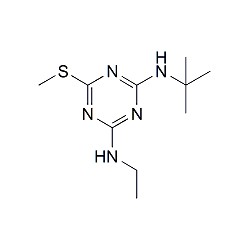 | 672887886-50-0 | 1×250 mg | Please log in |
ISO 17034 Certified Reference Material TerbutrynConcentration: 100 µg/ml Solvent: Acetonitrile | 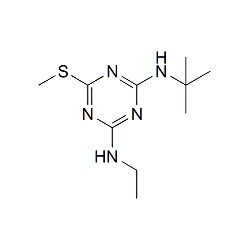 | 675305886-50-0 | 1×5 ml | Please log in |
ISO 17034 Certified Reference Material D5-TerbutrynConcentration: 100 µg/ml Solvent: Acetone | 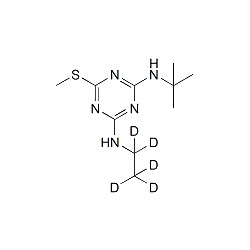 | 6782811219804-47-3 | 1×1 ml | Please log in |
ISO 17034 Certified Reference Material Terbutryn | 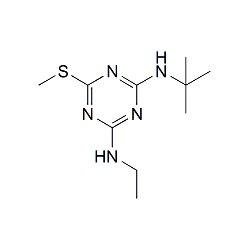 | 691183886-50-0 | 1×100 mg | Please log in |
Terbutryn Reference Materials
High-purity reference materials for accurate and reliable residue analysis
Overview
Terbutryn is a herbicide belonging to the triazine chemical class. It is commonly used for controlling broadleaf and grassy weeds in various crops. As a reference material, Terbutryn is essential for laboratories conducting residue analysis to ensure compliance with regulatory limits.
Uses
Terbutryn is primarily used in agriculture to protect crops such as cereals, vegetables, and fruits from weed infestation. It is applied pre-emergence or post-emergence to control unwanted vegetation.
Regulatory
The use of Terbutryn is regulated by various international bodies to ensure that its application does not pose risks to human health and the environment. Maximum residue limits (MRLs) are established to monitor and control its presence in food products.
Monitoring
Regular monitoring of Terbutryn residues in food and environmental samples is crucial. Analytical methods such as chromatography and mass spectrometry are employed to detect and quantify Terbutryn levels accurately.
Health Impact
Human Toxicity
Exposure to Terbutryn can occur through ingestion, inhalation, or skin contact. It is essential to understand its toxicological profile to assess potential health risks. Studies indicate that high doses may cause adverse effects on the liver and kidneys.
Environmental Impact
Effects on Wildlife
Terbutryn can have detrimental effects on non-target organisms, including aquatic life and beneficial insects. Its persistence in soil and water can lead to long-term environmental contamination.
Safety Measures
Proper handling and application of Terbutryn are vital to minimize exposure and environmental contamination. Personal protective equipment (PPE) should be used during application, and guidelines for safe disposal should be followed.
Regulation
International regulations govern the use and residue limits of Terbutryn to protect public health and the environment. Compliance with these regulations is mandatory for producers and distributors of agricultural products.
Analytical Standards
HPC Standards GmbH provides high-purity reference materials for Terbutryn, tested according to international quality requirements. These reference materials are essential for laboratories to perform accurate and reliable residue analysis, ensuring compliance with regulatory standards.