


Temephos
High-Purity Temephos Reference Materials for Accurate Residue Analysis
Ensure precise and reliable residue analysis with our high-purity Temephos reference materials. Tested to meet international quality standards, our products are essential for laboratories conducting food and environmental analysis, ensuring compliance with regulatory limits. Partner with HPC Standards GmbH for your analytical needs in pesticide residue analysis.
Filter
| Product | Image | Catalog No./ CAS No. | Quantity | Price |
|---|---|---|---|---|
ISO 17034 Reference Material Temephos | 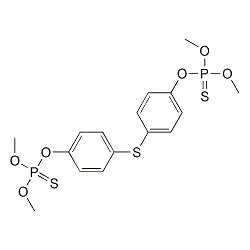 | 6749823383-96-8 | 1×100 mg | Please log in |
ISO 17034 Certified Reference Material TemephosConcentration: 100 µg/ml Solvent: Acetonitrile | 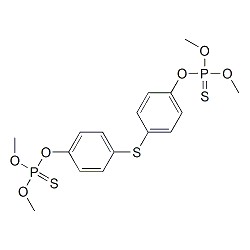 | 6769583383-96-8 | 1×1 ml | Please log in |
| D12-Temephos | 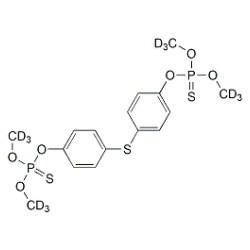 | 6809811219795-39-7 | 1×10 mg | Please log in |
ISO 17034 Certified Reference Material D12-TemephosConcentration: 100 µg/ml Solvent: Cyclohexane | 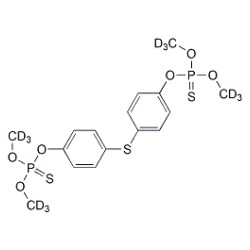 | 6809821219795-39-7 | 1×1 ml | Please log in |
ISO 17034 Certified Reference Material Temephos | 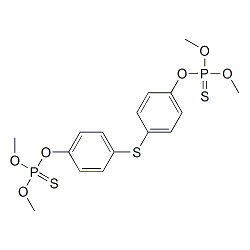 | 6937443383-96-8 | 1×50 mg | Please log in |
Temephos Reference Materials
High-purity reference materials for accurate residue analysis of Temephos.
Overview
Temephos is an organophosphate larvicide primarily used to control insect larvae in water bodies. It is effective against mosquitoes, midges, and black fly larvae, preventing them from reaching adulthood.
Our reference materials for Temephos are tested according to international quality requirements and meet the highest industrial standards, ensuring accurate and reliable residue analysis.
Uses
Temephos is widely used in the developing world to combat vector-borne diseases such as dengue fever. It is applied in areas of standing water where the Aedes aegypti mosquito breeds.
Additionally, Temephos is utilized in the Guinea worm eradication program to eliminate water fleas that carry guinea worm larvae.
Regulatory
Temephos is regulated under various international guidelines to ensure its safe and effective use in pest control. Monitoring programs, such as the Brazilian Aedes aegypti resistance monitoring program, are in place to detect and manage resistance.
Monitoring
Monitoring the effectiveness and resistance of Temephos in target insect populations is crucial. Resistance has been observed in Aedes aegypti populations in Brazil, necessitating ongoing surveillance and adaptation of control strategies.
Health Impact
Human Toxicity
As an organophosphate, Temephos affects the central nervous system by inhibiting cholinesterase. Proper handling and application are essential to minimize human exposure and toxicity risks.
Environmental Impact
Effects on Wildlife
Temephos is specifically targeted at insect larvae and has a minimal impact on non-target wildlife when used correctly. However, it is essential to follow guidelines to prevent unintended environmental consequences.
Safety Measures
Proper safety measures, including protective equipment and adherence to recommended application rates, are vital to ensure the safe use of Temephos. Guidelines provided by health and safety authorities should be strictly followed.
Regulation
Temephos is subject to regulatory oversight to ensure its safe and effective use. Compliance with permissible exposure limits (PEL) and recommended exposure limits (REL) is mandatory to protect human health.
Analytical Standards
HPC Standards GmbH provides high-purity reference materials for Temephos, essential for laboratories conducting food and environmental analysis. Our products ensure compliance with regulatory limits and support accurate residue analysis.