


Sulfadiazine
Ensure Accurate Residue Analysis with High-Purity Sulfadiazine Reference Materials
HPC Standards GmbH offers high-purity Sulfadiazine reference materials, essential for precise residue analysis in food and environmental testing. Our products meet international quality requirements and the highest industrial standards, providing reliable results for laboratories to ensure regulatory compliance. Trust HPC Standards GmbH as your competent partner in food and environmental analysis.
Filter
| Product | Image | Catalog No./ CAS No. | Quantity | Price |
|---|---|---|---|---|
| Sulfadiazine | 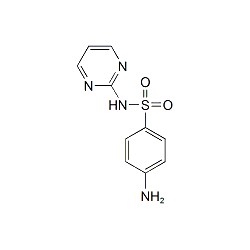 | 67297368-35-9 | 1×100 mg | Please log in |
ISO 17034 Reference Material 13C6-Sulfadiazine | 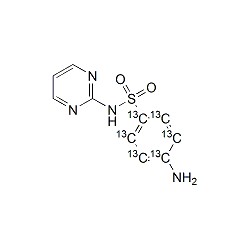 | 6795211189426-16-1 | 1×10 mg | Please log in |
ISO 17034 Certified Reference Material SulfadiazineConcentration: 100 µg/ml Solvent: Methanol | 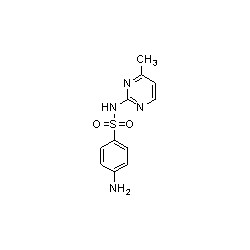 | 67980868-35-9 | 1×1 ml | Please log in |
ISO 17034 Certified Reference Material D4-SulfadiazineConcentration: 100 µg/ml Solvent: Methanol | 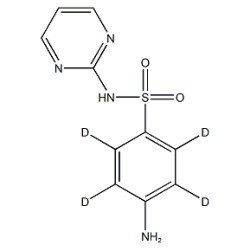 | 6871831020719-78-1 | 1×1 ml | Please log in |
ISO 17034 Certified Reference Material 13C6-SulfadiazineConcentration: 100 µg/ml Solvent: Methanol | 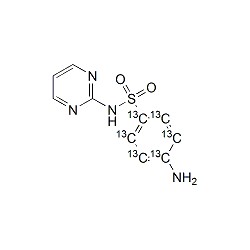 | 6908661189426-16-1 | 1×1 ml | Please log in |
Sulfadiazine
High-purity reference materials for accurate residue analysis in food and environmental testing.
Overview
Sulfadiazine is an antibiotic belonging to the sulfonamide class. It is commonly used in combination with pyrimethamine for the treatment of toxoplasmosis, a disease caused by the protozoan parasite Toxoplasma gondii. Sulfadiazine is also used as a second-line treatment for otitis media, prophylaxis of rheumatic fever, chancroid, chlamydia, and infections by Haemophilus influenzae. It is available in generic tablets of 500 mg and is taken orally.
Uses
Sulfadiazine is used to eliminate bacteria that cause infections by inhibiting the production of folate inside the bacterial cell. It is commonly used to treat urinary tract infections and burns. In combination with pyrimethamine, it is used to treat toxoplasmosis.
Regulatory
Sulfadiazine is a prescription-only medication. It was approved for medical use in the United States in 1941 and is listed on the World Health Organization's List of Essential Medicines. It is available as a generic medication.
Monitoring
Regular monitoring is required when using sulfadiazine, especially in patients with liver or kidney problems. Blood tests may be necessary to check for side effects and ensure the medication is working effectively.
Health Impact
Human toxicity
Common side effects of sulfadiazine include nausea, diarrhea, headache, fever, rash, depression, and pancreatitis. It should not be used by individuals with severe liver or kidney problems, or porphyria. Use during pregnancy may increase the risk of kernicterus in the baby.
Environmental Impact
Effects on wildlife
As an antibiotic, sulfadiazine can affect microbial communities in the environment, potentially leading to antibiotic resistance. Its impact on wildlife is an area of ongoing research.
Safety Measure
Proper handling and disposal of sulfadiazine are essential to prevent environmental contamination. Personal protective equipment should be used when handling the compound to avoid exposure.
Regulation
Sulfadiazine is regulated under various international guidelines to ensure its safe use in medical and laboratory settings. Compliance with these regulations is necessary to minimize risks associated with its use.
Analytical Standards
HPC Standards GmbH provides high-purity reference materials for sulfadiazine, ensuring accurate and reliable residue analysis. Our products are tested according to international quality requirements and meet the highest industrial standards. These reference materials are essential for laboratories conducting food and environmental analysis to ensure compliance with regulatory limits.