


Pyraflufen-ethyl
Ensure Accurate Residue Analysis with High-Purity Pyraflufen-ethyl Reference Materials
Our high-purity Pyraflufen-ethyl reference materials are essential for laboratories conducting residue analysis in food and environmental samples. Used primarily in agriculture to control broadleaf weeds, Pyraflufen-ethyl is regulated by bodies like EFSA and EPA to ensure food safety and environmental protection. Our reference materials meet international quality standards, supporting accurate and reliable analysis to help you stay compliant with regulatory limits. Trust HPC Standards GmbH for your analytical needs in food and environmental analysis.
Filter
| Product | Image | Catalog No./ CAS No. | Quantity | Price |
|---|---|---|---|---|
ISO 17034 Reference Material Pyraflufen-ethyl | 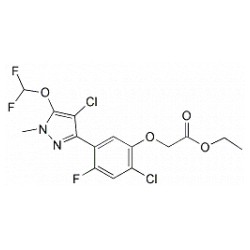 | 674545129630-19-9 | 1×100 mg | Please log in |
| D5-Pyraflufen-ethyl | 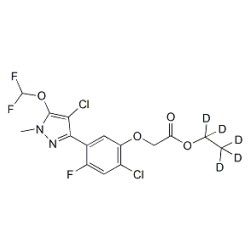 | 679127 | 1×5 mg | Please log in |
ISO 17034 Certified Reference Material D5-Pyraflufen-ethylConcentration: 100 µg/ml Solvent: Acetonitrile | 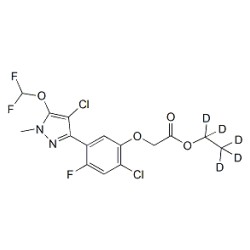 | 681287 | 1×1 ml | Please log in |
ISO 17034 Certified Reference Material Pyraflufen-ethylConcentration: 100 µg/ml Solvent: Acetonitrile | 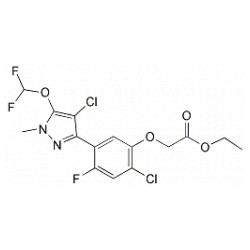 | 683090129630-19-9 | 1×5 ml | Please log in |
ISO 17034 Certified Reference Material Pyraflufen-ethylConcentration: 100 µg/ml Solvent: Acetone | 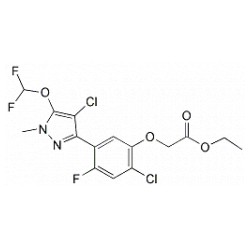 | 684647129630-19-9 | 1×5 ml | Please log in |
ISO 17034 Certified Reference Material Pyraflufen-ethyl | 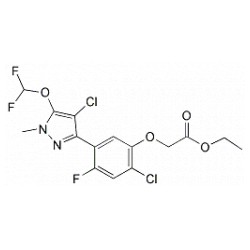 | 692101129630-19-9 | 1×50 mg | Please log in |
Pyraflufen-ethyl Reference Materials
High-purity reference materials for accurate residue analysis in food and environmental samples.
Overview
Pyraflufen-ethyl is a herbicide used for the control of broadleaf weeds in various crops. It is known for its efficiency and effectiveness in agricultural applications.
Our high-purity reference materials for Pyraflufen-ethyl are essential for laboratories conducting residue analysis to ensure compliance with regulatory standards.
Uses
Pyraflufen-ethyl is primarily used in agriculture to manage and control broadleaf weeds. It is applied in various crops, including cereals, vegetables, and fruits, to protect them from weed competition and enhance yield.
Regulatory
Regulatory bodies such as the European Food Safety Authority (EFSA) and the Environmental Protection Agency (EPA) have established maximum residue limits (MRLs) for Pyraflufen-ethyl in food and environmental samples. Compliance with these limits is crucial for food safety and environmental protection.
Monitoring
Regular monitoring of Pyraflufen-ethyl residues in food and environmental samples is essential to ensure that the levels remain within the regulatory limits. Our reference materials support laboratories in achieving accurate and reliable analysis results.
Health Impact
Human toxicity
Pyraflufen-ethyl has been evaluated for its toxicity in humans. While it is generally considered to have low acute toxicity, prolonged exposure or high doses can pose health risks. Proper safety measures should be taken during handling and application.
Environmental Impact
Effects on wildlife
Pyraflufen-ethyl can have adverse effects on non-target wildlife species, including aquatic organisms and beneficial insects. It is important to follow recommended application guidelines to minimize environmental impact.
Safety Measures
When handling Pyraflufen-ethyl, it is essential to use appropriate personal protective equipment (PPE) and follow safety guidelines to prevent exposure. Proper storage and disposal practices should also be observed to avoid environmental contamination.
Regulation
Pyraflufen-ethyl is regulated under various international and national frameworks to ensure its safe use. Compliance with these regulations is mandatory for manufacturers, distributors, and users of this herbicide.
Analytical Standards
Our reference materials for Pyraflufen-ethyl are tested according to international quality requirements and meet the highest industrial standards. These materials are crucial for laboratories conducting accurate and reliable residue analysis in food and environmental samples.