


Phenylbutazone
Ensure Accurate Residue Analysis with High-Purity Phenylbutazone Reference Materials
HPC Standards GmbH offers top-tier Phenylbutazone reference materials, meticulously tested to meet international quality standards. Essential for laboratories in food and environmental analysis, our high-purity products guarantee precise and reliable results, ensuring compliance with regulatory limits. Trust HPC Standards as your competent partner in delivering excellence in residue analysis.
Filter
| Product | Image | Catalog No./ CAS No. | Quantity | Price | |
|---|---|---|---|---|---|
ISO 17034 Reference Material D10-Phenylbutazone | 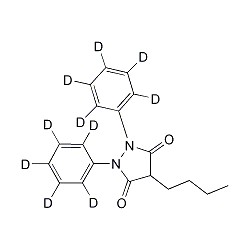 | 6748081219794-69-0 | 1×10 mg | Please log in | |
| 13C12-Phenylbutazone | 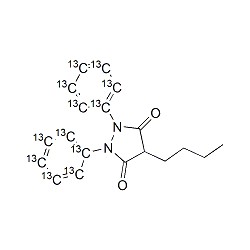 | 6796751325559-13-4 | 1×10 mg | Please log in | |
ISO 17034 Reference Material Phenylbutazone | 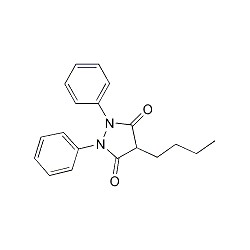 | 68135850-33-9 | 1×100 mg | Please log in | |
ISO 17034 Certified Reference Material 13C12-PhenylbutazoneConcentration: 100 µg/ml Solvent: Acetonitrile | 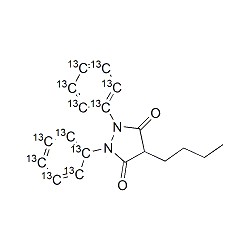 | 6909111325559-13-4 | 1×1 ml | on request | |
Phenylbutazone
High-purity reference materials for accurate and reliable residue analysis.
Overview
Phenylbutazone, also known as "bute," is a nonsteroidal anti-inflammatory drug (NSAID) primarily used for the treatment of pain and fever in animals. It is not approved for human use in the United States and United Kingdom, except for specific conditions in the UK.
Uses
In Humans: Initially used for rheumatoid arthritis and gout, it is now restricted to treating ankylosing spondylitis in the UK when other therapies are unsuitable.
In Horses: Commonly used for pain relief from infections and musculoskeletal disorders, including sprains, tendinitis, arthritis, and laminitis. It also reduces fevers.
In Dogs: Occasionally used for managing chronic pain, particularly osteoarthritis, though other NSAIDs are more commonly preferred.
Regulatory
Phenylbutazone is a prescription-only medication. Its use in horses is limited to those not intended for food, due to the risk of aplastic anemia in humans from its metabolites.
Monitoring
Regular blood work and renal monitoring are recommended for animals receiving chronic phenylbutazone therapy. Special care is needed for young, ill, or stressed animals.
Health Impact
Human Toxicity
Phenylbutazone can cause severe adverse effects such as suppression of white blood cell production and aplastic anemia. It is no longer approved for human use in the US due to these risks.
Environmental Impact
Effects on Wildlife
Phenylbutazone metabolites can cause aplastic anemia in humans, raising concerns about its environmental impact when used in animals.
Safety Measures
Phenylbutazone should be administered orally or intravenously. It should not be given intramuscularly or injected in any place other than a vein to avoid tissue damage. Regular monitoring is essential to prevent overdose and prolonged use complications.
Analytical Standards
HPC Standards GmbH provides high-purity reference materials for Phenylbutazone, ensuring accurate and reliable residue analysis. Our products are tested according to international quality requirements and meet the highest industrial standards.