

Nonylphenol
High-Purity Nonylphenol Reference Materials for Precise Residue Analysis
Ensure the accuracy and reliability of your residue analysis with HPC Standards GmbH's high-purity Nonylphenol reference materials. Our products meet international quality requirements and the highest industrial standards, making them indispensable for laboratories focused on food and environmental analysis. Trust HPC Standards GmbH for compliance with regulatory limits and superior analytical performance.
Filter
| Product | Image | Catalog No./ CAS No. | Quantity | Price | |
|---|---|---|---|---|---|
ISO 17034 Certified Reference Material D4-4-n-NonylphenolConcentration: 100 µg/ml Solvent: Acetone | 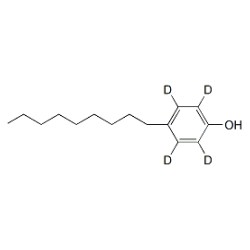 | 676413358730-95-7 | 1×1 ml | Please log in | |
ISO 17034 Reference Material 4-n-Nonylphenol | 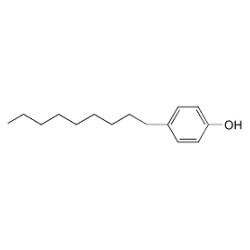 | 677203104-40-5 | 1×100 mg | Please log in | |
ISO 17034 Certified Reference Material 4-n-NonylphenolConcentration: 100 µg/ml Solvent: Acetonitrile | 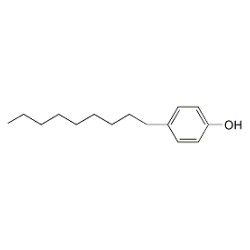 | 678159104-40-5 | 1×1 ml | Please log in | |
ISO 17034 Certified Reference Material 4-n-NonylphenolConcentration: 100 µg/ml Solvent: Methanol | 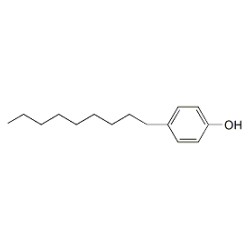 | 680446104-40-5 | 1×1 ml | Please log in | |
ISO 17034 Certified Reference Material 2-n-NonylphenolConcentration: 100 µg/ml Solvent: Acetone | 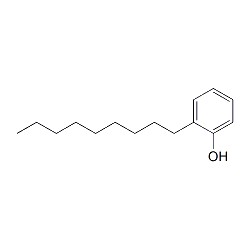 | 681087136-83-4 | 1×1 ml | Please log in | |
ISO 17034 Reference Material D8-4-n-Nonylphenol | 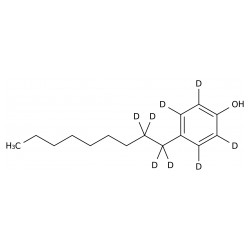 | 6918972733716-95-3 | 1×5 mg | on request | |
ISO 17034 Certified Reference Material D8-4-n-NonylphenolConcentration: 100 µg/ml Solvent: Acetone | 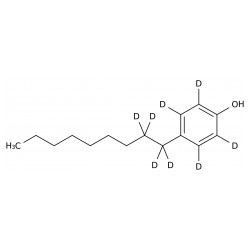 | 6919142733716-95-3 | 1×1 ml | on request | |
ISO 17034 Reference Material 13C6-Nonylphenol | 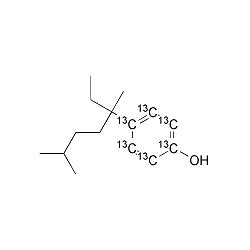 | 6927571173020-38-6 | 1×5 mg | Please log in | |
ISO 17034 Certified Reference Material 13C6-NonylphenolConcentration: 100 µg/ml Solvent: Acetone | 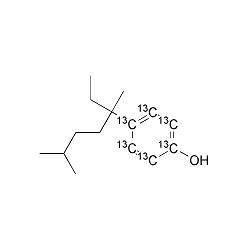 | 6927581173020-38-6 | 1×1 ml | Please log in | |
ISO 17034 Reference Material 13C6-4-n-Nonylphenol | 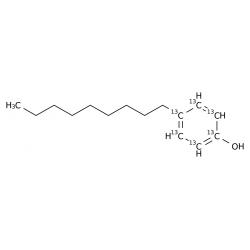 | 693083211947-56-7 | 1×5 mg | on request | |
ISO 17034 Certified Reference Material 13C6-4-n-NonylphenolConcentration: 100 µg/ml Solvent: Acetonitrile | 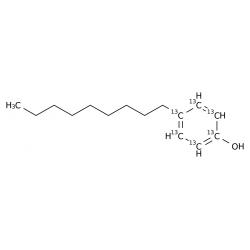 | 693084211947-56-7 | 1×1 ml | Please log in | |
Nonylphenol
High-purity reference materials for accurate and reliable residue analysis.
Overview
Nonylphenol is a family of closely related organic compounds composed of phenol bearing a 9-carbon tail. These compounds are used in manufacturing antioxidants, lubricating oil additives, detergents, emulsifiers, and solubilizers. Nonylphenol is also a precursor to non-ionic surfactants like alkylphenol ethoxylates and nonylphenol ethoxylates, which are used in various industrial and consumer products.
Uses
Nonylphenol is extensively used in the production of detergents, paints, pesticides, personal care products, and plastics. It is also used in epoxy formulations, especially in North America, and as an intermediate in the manufacture of non-ionic surfactants. Additionally, it is used to produce tris(4-nonyl-phenyl) phosphite (TNPP), an antioxidant for polymers and stabilizers in plastic food packaging.
Regulatory
Due to its environmental and health impacts, the use of nonylphenol and nonylphenol ethoxylates is restricted in the European Union. The EU has included nonylphenol on the list of priority hazardous substances for surface water in the Water Framework Directive. In the US, the EPA recommends that nonylphenol concentrations should not exceed 6.6 µg/L in fresh water and 1.7 µg/L in saltwater.
Monitoring
Nonylphenol persists in aquatic environments and is moderately bioaccumulative. It is not readily biodegradable and can take months or longer to degrade in surface waters, soils, and sediments. Monitoring involves standard GC-MS and HPLC protocols for detecting nonylphenols in environmental samples such as foodstuffs, drinking water, and biological tissue.
Health Impact
Nonylphenol is considered an endocrine disruptor due to its ability to mimic estrogen. It can cause hormonal imbalances in both wildlife and humans. In pregnant women, nonylphenol can affect placental and uterine proteins, potentially impacting fetal development. Long-term exposure has been linked to metabolic disorders and increased risk of breast cancer.
Environmental Impact
Nonylphenol is highly persistent in the environment, particularly in aquatic ecosystems. It can cause endocrine disruption in fish, leading to feminization, decreased fertility, and reduced survival rates in young fish. Nonylphenol is also bioaccumulative, posing long-term risks to wildlife and potentially affecting global ecosystems.
Safety Measure
Handling nonylphenol requires strict safety measures due to its potential health and environmental hazards. Personal protective equipment (PPE) such as gloves and goggles should be used. Proper disposal and treatment of nonylphenol-containing waste are essential to minimize environmental contamination.
Analytical Standards
HPC Standards GmbH provides high-purity reference materials for nonylphenol, ensuring accurate and reliable residue analysis. Our products meet international quality requirements and the highest industrial standards, making them essential for laboratories conducting food and environmental analysis to ensure compliance with regulatory limits.