

Lidocaine
Ensure Accurate Residue Analysis with High-Purity Lidocaine Reference Materials
HPC Standards GmbH offers top-tier, high-purity reference materials for Lidocaine, facilitating precise and reliable residue analysis. Our Lidocaine standards are essential for laboratories focused on food and environmental analysis, ensuring compliance with stringent regulatory limits. Trust HPC Standards for your analytical needs and achieve unparalleled accuracy in your residue analysis.
Filter
| Product | Image | Catalog No./ CAS No. | Quantity | Price |
|---|---|---|---|---|
| Lidocaine | 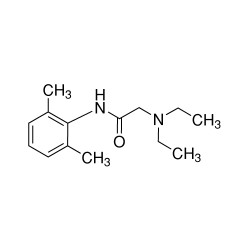 | 673085137-58-6 | 1×250 mg | Please log in |
ISO 17034 Certified Reference Material LidocaineConcentration: 100 µg/ml Solvent: Acetonitrile |  | 681295137-58-6 | 1×5 ml | Please log in |
| D10-Lidocaine | 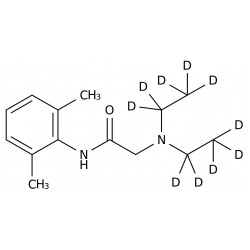 | 692344851528-09-1 | 1×10 mg | Please log in |
Lidocaine Reference Materials
High-purity reference materials for accurate and reliable residue analysis of Lidocaine.
Overview
Lidocaine, also known as lignocaine, is a local anesthetic of the amino amide type. It is used to treat ventricular tachycardia and ventricular fibrillation. Lidocaine begins working within several minutes and lasts for half an hour to three hours. It can be applied topically, injected, or administered intravenously.
Uses
Lidocaine is used for local anesthesia, nerve blocks, and treating ventricular arrhythmias. It is also used to numb mucous membranes and treat neuropathic pain. In dentistry, it is commonly used for nerve blocks and infiltration anesthesia.
Regulatory
Lidocaine is regulated and approved by various health authorities worldwide, including the FDA and WHO. It is available as a generic medication and is on the World Health Organization's List of Essential Medicines.
Monitoring
Monitoring of lidocaine levels in the body is essential, especially when administered intravenously. Laboratories use high-purity reference materials to ensure accurate and reliable residue analysis.
Health Impact
Human Toxicity
Adverse reactions to lidocaine are rare when used as a local anesthetic. However, systemic exposure can lead to CNS and cardiovascular effects. Symptoms of overdose include dizziness, visual disturbances, and convulsions.
Environmental Impact
Effects on Wildlife
There is limited information on the environmental impact of lidocaine. However, proper disposal and handling are essential to prevent contamination.
Safety Measures
Proper dosing and administration techniques are crucial to avoid adverse effects. Lidocaine should be used with caution in individuals with liver impairment or heart conditions.
Regulation
Lidocaine is classified under various legal statuses depending on the country. In the US, it is a prescription-only medication. In the UK and Australia, it has different classifications based on its use.
Analytical Standards
HPC Standards GmbH provides high-purity reference materials for lidocaine, ensuring compliance with international quality requirements. Our products support laboratories in conducting accurate residue analysis for regulatory compliance.