


Isopropalin
Ensure Accurate Residue Analysis with High-Purity Isopropalin Reference Materials
Isopropalin is a key pre-emergence herbicide used to control annual grasses and broadleaf weeds in crops like soybeans and cotton. Our high-purity Isopropalin reference materials are essential for precise residue analysis in food and environmental samples, ensuring compliance with stringent regulatory standards. Trust HPC Standards GmbH for reliable and accurate analytical solutions in your laboratory.
Filter
| Product | Image | Catalog No./ CAS No. | Quantity | Price |
|---|---|---|---|---|
ISO 17034 Certified Reference Material IsopropalinConcentration: 10 µg/ml Solvent: Ethyl acetate | 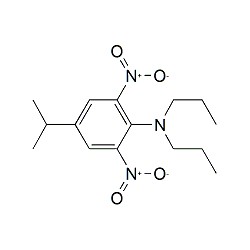 | 67562133820-53-0 | 1×10 ml | Please log in |
ISO 17034 Certified Reference Material IsopropalinConcentration: 100 µg/ml Solvent: Ethyl acetate | 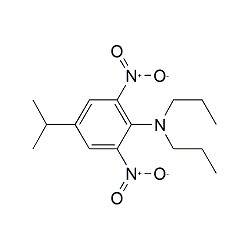 | 67562233820-53-0 | 1×5 ml | Please log in |
Isopropalin Reference Materials
High-purity reference materials for precise residue analysis in food and environmental samples.
Overview
Isopropalin is a pre-emergence herbicide used primarily in agriculture to control annual grasses and broadleaf weeds. It belongs to the dinitroaniline class of herbicides and is known for its effectiveness in various crops, including soybeans and cotton.
Uses
Isopropalin is widely used in agricultural settings to manage weed growth, ensuring higher crop yields by reducing competition for nutrients, water, and light. It is applied to the soil before the emergence of weeds.
Regulatory
Isopropalin is regulated under various international guidelines to ensure its safe use in agriculture. It must meet specific residue limits in food products to comply with regulatory standards, ensuring consumer safety.
Monitoring
Regular monitoring of Isopropalin residues in food and environmental samples is crucial to ensure compliance with regulatory limits. Laboratories utilize high-purity reference materials to achieve accurate and reliable analysis results.
Health Impact
Human toxicity
Exposure to Isopropalin can occur through ingestion, inhalation, or skin contact. It is important to adhere to safety guidelines to minimize potential health risks. Chronic exposure may lead to adverse health effects, necessitating stringent monitoring and control measures.
Environmental Impact
Effects on wildlife
Isopropalin can have detrimental effects on non-target organisms, including aquatic life and beneficial insects. Its persistence in the environment requires careful management to prevent ecological imbalances.
Safety Measures
Proper handling and application of Isopropalin are essential to minimize exposure risks. Personal protective equipment (PPE) should be used during application, and adherence to recommended usage guidelines is crucial.
Regulation
Isopropalin is subject to strict regulations to ensure its safe use in agriculture. These regulations dictate permissible residue levels in food products and establish guidelines for safe handling and application.
Analytical Standards
High-purity reference materials for Isopropalin are essential for laboratories conducting residue analysis. These reference materials provide the accuracy and reliability needed to ensure compliance with international quality requirements and industrial standards.