


Isodrin
Ensure Accurate Residue Analysis with High-Purity Isodrin Reference Materials
Isodrin, a historically significant organochlorine pesticide, requires precise monitoring due to its environmental persistence and health risks. HPC Standards GmbH offers high-purity Isodrin reference materials, essential for laboratories conducting food and environmental analysis. Our products meet international quality standards, ensuring reliable quantification and regulatory compliance. Trust HPC Standards for your analytical needs in pesticide residue analysis.
Filter
| Product | Image | Catalog No./ CAS No. | Quantity | Price |
|---|---|---|---|---|
| Isodrin | 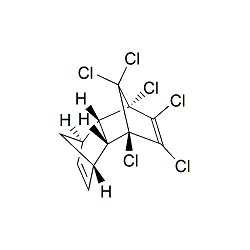 | 674970465-73-6 | 1×100 mg | Please log in |
ISO 17034 Certified Reference Material IsodrinConcentration: 10.0 µg/ml Solvent: Cyclohexane | 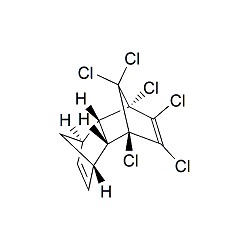 | 676505465-73-6 | 1×10 ml | Please log in |
ISO 17034 Certified Reference Material IsodrinConcentration: 100 µg/ml Solvent: Cyclohexane | 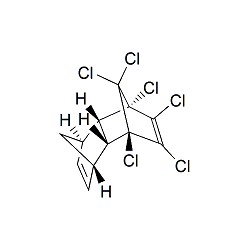 | 691724465-73-6 | 1×1 ml | Please log in |
Isodrin
High-purity reference materials for accurate residue analysis
Overview
Isodrin is an organochlorine compound used historically as a pesticide. It is a stereoisomer of Aldrin and shares many of its chemical properties. Isodrin is known for its effectiveness against a wide range of agricultural pests.
Uses
Isodrin was primarily used in agriculture to control soil insects and pests on crops such as cotton, corn, and potatoes. Its use has been significantly reduced due to concerns over its environmental and health impacts.
Regulatory
Due to its persistence in the environment and potential health risks, the use of Isodrin has been banned or restricted in many countries. Regulatory bodies such as the EPA and the European Union have classified Isodrin as a persistent organic pollutant (POP).
Monitoring
Monitoring Isodrin levels in food and the environment is crucial for ensuring compliance with regulatory limits. Laboratories use high-purity reference materials to accurately quantify Isodrin residues in various matrices.
Health Impact
Human toxicity
Isodrin is toxic to humans and can cause a range of adverse health effects, including neurological symptoms, liver damage, and disruption of endocrine functions. Chronic exposure has been linked to an increased risk of cancer.
Environmental Impact
Effects on wildlife
Isodrin is highly toxic to wildlife, particularly aquatic organisms and birds. Its persistence in the environment leads to bioaccumulation and biomagnification, posing long-term risks to ecosystems.
Safety Measures
Handling Isodrin requires strict safety measures to prevent exposure. Personal protective equipment (PPE) such as gloves, masks, and protective clothing should be used. Proper storage and disposal protocols must be followed to minimize environmental contamination.
Regulation
Isodrin is subject to stringent regulations due to its hazardous nature. International agreements such as the Stockholm Convention aim to eliminate or restrict the production and use of persistent organic pollutants, including Isodrin.
Analytical Standards
High-purity reference materials for Isodrin are essential for laboratories conducting residue analysis. These materials ensure accurate and reliable quantification of Isodrin in food and environmental samples, supporting compliance with regulatory requirements.