


IPPD-Quinone
Ensure Accurate Residue Analysis with High-Purity IPPD-Quinone Reference Materials
Discover the precision and reliability of our high-purity IPPD-Quinone reference materials, designed for meticulous residue analysis. As a crucial antioxidant in the rubber industry, IPPD-Quinone requires stringent monitoring to comply with international safety standards. HPC Standards GmbH offers top-tier reference materials that meet the highest industrial standards, essential for laboratories focused on food and environmental analysis. Trust us as your competent partner in ensuring compliance and safeguarding health and the environment.
Filter
| Product | Image | Catalog No./ CAS No. | Quantity | Price |
|---|---|---|---|---|
| IPPD-Quinone | 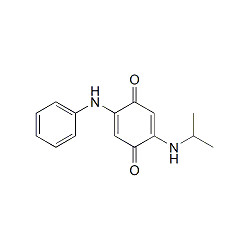 | 68912968054-73-9 | 1×10 mg | Please log in |
ISO 17034 Certified Reference Material D5-IPPD-quinoneConcentration: 100 µg/ml Solvent: Acetonitrile | 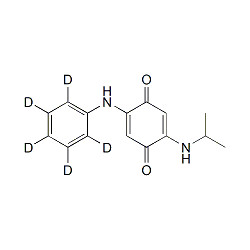 | 689131 | 1×1 ml | Please log in |
ISO 17034 Certified Reference Material IPPD-QuinoneConcentration: 100 µg/ml Solvent: Acetonitrile | 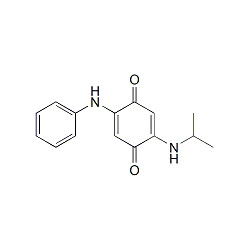 | 69229268054-73-9 | 1×1 ml | Please log in |
IPPD-Quinone
High-purity reference materials for precise and reliable residue analysis of IPPD-Quinone.
Overview
IPPD-Quinone, also known as 1,4-Benzenediamine, N-(1-methylheptyl)-N'-phenyl-, is an oxidation product of IPPD (N-Isopropyl-N'-phenyl-p-phenylenediamine). It is widely used as an antioxidant and antiozonant in rubber products.
Uses
IPPD-Quinone is primarily utilized in the rubber industry to prevent the degradation of rubber by ozone and oxygen. It helps in extending the life of rubber products such as tires, belts, and hoses.
Regulatory
The use and monitoring of IPPD-Quinone are regulated by various international agencies to ensure safe levels in consumer products and the environment. Compliance with these regulations is crucial for manufacturers and laboratories.
Monitoring
Regular monitoring of IPPD-Quinone levels in rubber products and the environment is essential to ensure compliance with safety standards. Analytical methods and high-purity reference materials are used for accurate detection and quantification.
Health Impact
Human toxicity
Exposure to IPPD-Quinone can cause skin sensitization and allergic reactions in humans. Prolonged exposure may lead to more severe health issues, necessitating careful handling and monitoring.
Environmental Impact
Effects on wildlife
IPPD-Quinone can have detrimental effects on wildlife, particularly aquatic organisms. It is important to monitor and control its release into the environment to prevent ecological damage.
Safety Measure
Proper safety measures should be implemented when handling IPPD-Quinone, including the use of personal protective equipment (PPE) and adherence to safety protocols to minimize exposure risks.
Regulation
IPPD-Quinone is subject to regulation by agencies such as the Environmental Protection Agency (EPA) and the European Chemicals Agency (ECHA). Compliance with these regulations ensures safe use and disposal.
Analytical Standards
HPC Standards GmbH provides high-purity reference materials for IPPD-Quinone, ensuring accurate and reliable residue analysis. Our products meet international quality requirements and the highest industrial standards, essential for laboratories conducting food and environmental analysis.