


Hexachlorobenzene
Ensure Accurate Residue Analysis with High-Purity Hexachlorobenzene Reference Materials
Hexachlorobenzene (HCB) is a critical compound for laboratories focused on food and environmental analysis. HPC Standards GmbH offers high-purity reference materials for Hexachlorobenzene, tested to meet international quality requirements and the highest industrial standards. Our products are essential for accurate and reliable residue analysis, helping you maintain compliance with regulatory limits and ensure public safety. Trust HPC Standards GmbH as your competent partner in the fields of food and environmental analysis.
Filter
| Product | Image | Catalog No./ CAS No. | Quantity | Price |
|---|---|---|---|---|
ISO 17034 Reference Material Hexachlorobenzene | 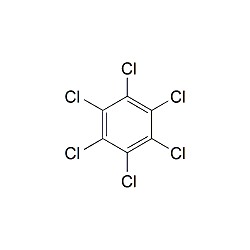 | 673829118-74-1 | 1×250 mg | Please log in |
ISO 17034 Certified Reference Material HexachlorobenzeneConcentration: 100 µg/ml Solvent: Acetonitrile | 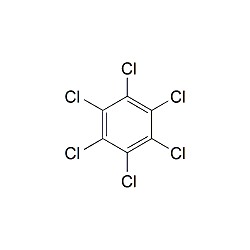 | 678430118-74-1 | 1×5 ml | Please log in |
ISO 17034 Certified Reference Material 13C6-HexachlorobenzeneConcentration: 100 µg/ml Solvent: Cyclohexane | 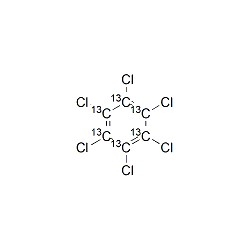 | 68058493952-14-8 | 1×1 ml | Please log in |
ISO 17034 Certified Reference Material HexachlorobenzeneConcentration: 10.0 µg/ml Solvent: Acetonitrile | 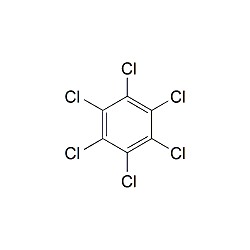 | 684291118-74-1 | 1×10 ml | Please log in |
ISO 17034 Certified Reference Material HexachlorobenzeneConcentration: 10.0 µg/ml Solvent: Cyclohexane | 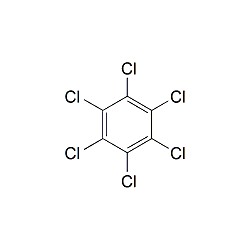 | 686063118-74-1 | 1×10 ml | Please log in |
Hexachlorobenzene
High-purity reference materials for accurate residue analysis of Hexachlorobenzene
Overview
Hexachlorobenzene (HCB) is a chlorinated hydrocarbon with the chemical formula C6Cl6. It is a white crystalline solid that is sparingly soluble in organic solvents and practically insoluble in water. HCB was historically used as a fungicide for seed treatment, particularly for wheat, to control fungal diseases such as bunt. However, it has been banned globally under the Stockholm Convention on Persistent Organic Pollutants due to its toxic and persistent nature.
Uses
Hexachlorobenzene was primarily used in agriculture to control fungal diseases in crops. It was effective against fungi such as Tilletia caries (common bunt of wheat) and Tilletia controversa (dwarf bunt). The compound was introduced in 1947 and was commonly formulated as a seed dressing. Due to its hazardous nature, its use has been discontinued in many countries.
Regulatory
Hexachlorobenzene is regulated under various international agreements, including the Stockholm Convention on Persistent Organic Pollutants, which aims to eliminate or restrict the production and use of persistent organic pollutants. HCB has been banned in many countries due to its carcinogenic properties and environmental persistence.
Monitoring
Monitoring of Hexachlorobenzene residues is essential for ensuring compliance with regulatory limits. Laboratories conducting food and environmental analysis require high-purity reference materials to accurately measure HCB levels. These reference materials are crucial for maintaining the integrity of analytical results and ensuring public safety.
Health Impact
Hexachlorobenzene is classified as a probable human carcinogen by the International Agency for Research on Cancer (IARC). Animal studies have shown increased incidences of liver, kidney, and thyroid cancers. Chronic exposure in humans can lead to liver disease (porphyria cutanea tarda), skin lesions, photosensitivity, thyroid effects, and neurological changes. HCB can cross the placenta and accumulate in fetal tissues, and it is also transferred through breast milk.
Environmental Impact
Hexachlorobenzene is highly toxic to aquatic organisms and can cause long-term adverse effects in the aquatic environment. It is persistent in the environment with a half-life in soil ranging from 3 to 6 years. HCB is known to bioaccumulate in the food chain, posing significant ecological risks.
Safety Measure
Handling Hexachlorobenzene requires stringent safety measures due to its toxic and carcinogenic nature. Protective equipment such as gloves, masks, and eye protection should be used to prevent exposure. Proper disposal methods must be followed to avoid environmental contamination.
Analytical Standards
HPC Standards GmbH provides high-purity reference materials for Hexachlorobenzene, ensuring accurate and reliable residue analysis. Our products are tested according to international quality requirements and meet the highest industrial standards. These reference materials are essential for laboratories conducting food and environmental analysis to ensure compliance with regulatory limits.