

Heptachlor-endo-epoxide
Ensure Accurate Residue Analysis with High-Purity Heptachlor-endo-epoxide Reference Materials
HPC Standards GmbH offers top-quality Heptachlor-endo-epoxide reference materials for precise residue analysis in food and environmental samples. Our products meet international quality standards, providing reliable results for regulatory compliance. Essential for laboratories focused on food safety and environmental protection, our high-purity materials support accurate monitoring and analysis.
Filter
| Product | Image | Catalog No./ CAS No. | Quantity | Price |
|---|---|---|---|---|
ISO 17034 Certified Reference Material Heptachlor-endo-epoxideConcentration: 10.0 µg/ml Solvent: Ethyl acetate | 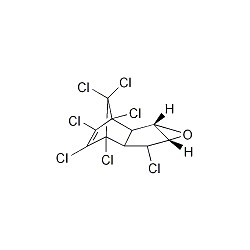 | 67576128044-83-9 | 1×10 ml | Please log in |
ISO 17034 Certified Reference Material Heptachlor-endo-epoxideConcentration: 100 µg/ml Solvent: Ethyl acetate | 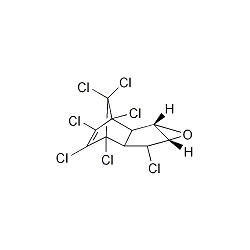 | 67576228044-83-9 | 1×5 ml | Please log in |
ISO 17034 Reference Material Heptachlor-endo-epoxide | 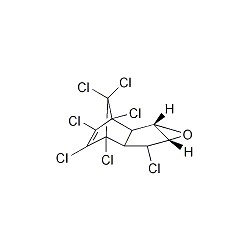 | 67712828044-83-9 | 1×10 mg | Please log in |
ISO 17034 Certified Reference Material Heptachlor-endo-epoxideConcentration: 10.0 µg/ml Solvent: Cyclohexane | 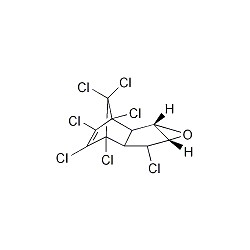 | 67712928044-83-9 | 1×10 ml | Please log in |
ISO 17034 Certified Reference Material Heptachlor-endo-epoxideConcentration: 100 µg/ml Solvent: Acetonitrile | 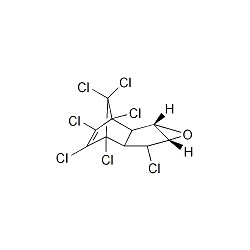 | 67842828044-83-9 | 1×5 ml | Please log in |
ISO 17034 Certified Reference Material Heptachlor-endo-epoxideConcentration: 100 µg/ml Solvent: Methanol | 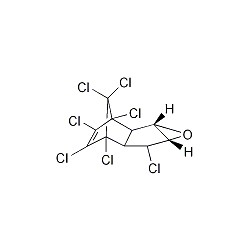 | 67944828044-83-9 | 1×1 ml | Please log in |
ISO 17034 Certified Reference Material Heptachlor-endo-epoxideConcentration: 100 µg/ml Solvent: Cyclohexane | 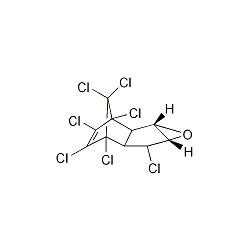 | 69171728044-83-9 | 1×1 ml | Please log in |
Heptachlor-endo-epoxide
High-purity reference materials for accurate residue analysis in food and environmental samples.
Overview
Heptachlor-endo-epoxide is a chemical compound that is a metabolite of the pesticide heptachlor. It is known for its persistence in the environment and its potential to bioaccumulate.
Heptachlor was widely used as an insecticide, but its use has been restricted or banned in many countries due to its environmental and health impacts.
Uses
Heptachlor-endo-epoxide is primarily used in scientific research and residue analysis. Laboratories use this compound as a reference material to ensure the accuracy and reliability of their analytical results.
It is essential for monitoring pesticide residues in food and environmental samples to ensure compliance with regulatory standards.
Regulatory
Heptachlor and its metabolites, including heptachlor-endo-epoxide, are regulated by various international bodies due to their potential health risks. Regulatory limits are set to control the levels of these compounds in food and the environment.
Compliance with these regulations is crucial for food safety and environmental protection.
Monitoring
Regular monitoring of heptachlor-endo-epoxide levels in food and environmental samples is necessary to ensure that they remain within the regulatory limits. This helps in preventing potential health risks associated with exposure to this compound.
Analytical methods such as gas chromatography and mass spectrometry are commonly used for the detection and quantification of heptachlor-endo-epoxide.
Health Impact
Exposure to heptachlor-endo-epoxide can have significant health impacts. It is known to be a potential carcinogen and can affect the liver, nervous system, and immune system.
Long-term exposure to this compound can lead to serious health issues, making it essential to monitor and control its levels in the environment and food products.
Environmental Impact
Heptachlor-endo-epoxide is highly persistent in the environment and can bioaccumulate in the food chain. This persistence can lead to long-term environmental contamination and affect wildlife.
Efforts to reduce the use of heptachlor and its metabolites are crucial for protecting the environment and maintaining ecological balance.
Safety Measure
Proper safety measures should be taken when handling heptachlor-endo-epoxide. This includes using appropriate personal protective equipment (PPE) and following safety guidelines to prevent exposure.
Laboratories should ensure that they have proper ventilation and waste disposal systems in place to minimize the risk of contamination.
Analytical Standards
HPC Standards GmbH provides high-purity reference materials for heptachlor-endo-epoxide, ensuring accurate and reliable residue analysis. Our products are tested according to international quality requirements and meet the highest industrial standards.
These reference materials are essential for laboratories conducting food and environmental analysis to ensure compliance with regulatory limits.