

Gabapentin
Accurate Gabapentin Residue Analysis with High-Purity Reference Materials
Ensure precision in your residue analysis with HPC Standards GmbH's high-purity Gabapentin reference materials. Our products meet international quality standards, providing essential support for laboratories focused on food and environmental compliance. Trust in our expertise for reliable results in your analytical processes.
Filter
| Product | Image | Catalog No./ CAS No. | Quantity | Price |
|---|---|---|---|---|
ISO 17034 Reference Material Gabapentin | 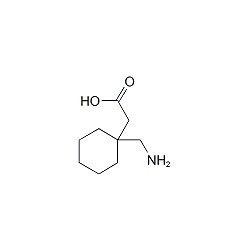 | 67632160142-96-3 | 1×100 mg | Please log in |
ISO 17034 Certified Reference Material D4-GabapentinConcentration: 100 µg/ml Solvent: Acetonitrile | 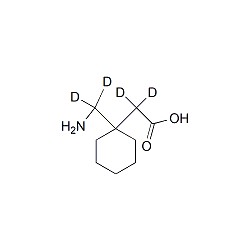 | 6847391185039-20-6 | 1×1 ml | Please log in |
| Gabapentin Concentration: 100 µg/ml Solvent: Acetonitrile | 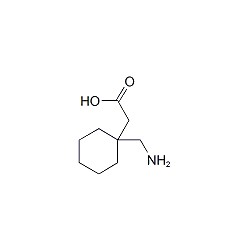 | 68614460142-96-3 | 1×5 ml | Please log in |
Gabapentin Reference Materials
High-purity reference materials for accurate and reliable residue analysis of Gabapentin.
Overview
Gabapentin, sold under the brand name Neurontin among others, is an anticonvulsant medication primarily used to treat partial seizures and neuropathic pain. It is a commonly used medication for the treatment of neuropathic pain caused by diabetic neuropathy, postherpetic neuralgia, and central pain.
Uses
Gabapentin is recommended for use in focal seizures and neuropathic pain. It is also prescribed off-label for non-neuropathic pain, anxiety disorders, and bipolar disorder, although there is concern regarding its efficacy and potential for misuse.
Regulatory
Gabapentin has been available as a generic medication in the United States since 2004. In some regions, such as the United Kingdom, it is classified as a controlled substance due to concerns about misuse and dependency.
Monitoring
Gabapentin use is closely monitored in clinical settings due to its potential for misuse and the need for dosage adjustments in patients with kidney disease.
Health Impact
Human Toxicity
Common side effects include sleepiness and dizziness. Serious side effects can include an increased risk of suicide, respiratory depression, and allergic reactions. Lower doses are recommended for those with kidney disease.
Environmental Impact
Effects on Wildlife
There is limited information on the environmental impact of Gabapentin, but as with many pharmaceuticals, improper disposal can lead to contamination of water sources, potentially affecting aquatic life.
Safety Measures
Gabapentin should be used carefully and at lower doses in people with kidney problems due to possible accumulation and toxicity. It is unclear if it is safe during pregnancy or breastfeeding.
Regulation
In the United States, Gabapentin is not a controlled substance under the federal Controlled Substances Act. However, it is classified as a Schedule V controlled substance in several states due to concerns about misuse.
Analytical Standards
HPC Standards GmbH provides high-purity reference materials for Gabapentin, ensuring accurate and reliable residue analysis. These reference materials are essential for laboratories conducting food and environmental analysis to ensure compliance with regulatory limits.