

Diethyl phthalate
Ensure Accurate Residue Analysis with High-Purity Diethyl Phthalate Reference Materials
Diethyl phthalate is a crucial component in various industries, known for its use as a plasticizer and solvent. HPC Standards GmbH offers high-purity reference materials for diethyl phthalate, ensuring precise and reliable residue analysis in food and environmental samples. Our products meet international quality requirements and the highest industrial standards, making them essential for laboratories focused on compliance and safety. Trust HPC Standards GmbH for your analytical needs in monitoring diethyl phthalate levels and maintaining regulatory compliance.
Filter
| Product | Image | Catalog No./ CAS No. | Quantity | Price |
|---|---|---|---|---|
ISO 17034 Reference Material Diethyl phthalate | 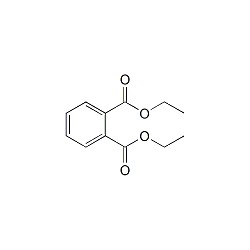 | 67897884-66-2 | 1×500 mg | Please log in |
ISO 17034 Reference Material D4-Diethyl phthalate | 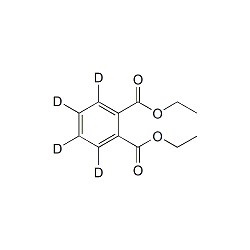 | 68428593952-12-6 | 1×10 mg | Please log in |
ISO 17034 Certified Reference Material Diethyl phthalateConcentration: 1000 µg/ml Solvent: Cyclohexane |  | 68443584-66-2 | 1×1 ml | Please log in |
ISO 17034 Certified Reference Material Diethyl phthalateConcentration: 100 µg/ml Solvent: Cyclohexane | 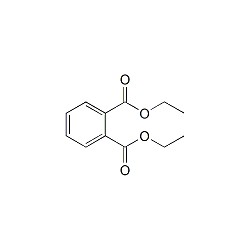 | 68855984-66-2 | 1×5 ml | Please log in |
ISO 17034 Certified Reference Material Diethyl phthalateConcentration: 100 µg/ml Solvent: Acetone | 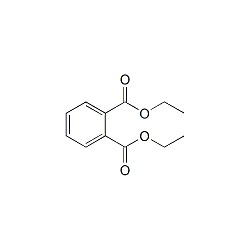 | 68957784-66-2 | 1×5 ml | Please log in |
Diethyl Phthalate
High-purity reference materials for accurate residue analysis in food and environmental samples.
Overview
Diethyl phthalate (DEP) is a phthalate ester known for its use as a plasticizer in various applications. It is a colorless, oily liquid with a slight odor and a bitter taste. DEP is more dense than water and has limited solubility in water.
Uses
Diethyl phthalate is used as a plasticizer in the production of plastics, particularly in PVC. It is also used as a fixative in perfumes and as a solvent for various organic compounds.
Regulatory
Regulations surrounding diethyl phthalate vary by region and application. It is important for laboratories to ensure compliance with local and international standards when conducting residue analysis.
Monitoring
Monitoring diethyl phthalate levels in food and environmental samples is crucial for ensuring safety and compliance with regulatory limits. Accurate and reliable reference materials are essential for this purpose.
Health Impact
Human Toxicity
Diethyl phthalate has been shown to have low acute toxicity. However, chronic exposure may lead to reproductive and developmental effects. Studies have indicated potential disruption of androgen biosynthesis and effects on male reproductive development.
Environmental Impact
Effects on Wildlife
Diethyl phthalate can have adverse effects on wildlife, particularly aquatic organisms. It can inhibit important biological processes, such as the activity of chitobiase in crustaceans, which is essential for molting.
Safety Measures
Proper handling and storage of diethyl phthalate are crucial to minimize exposure risks. Personal protective equipment (PPE) and adherence to safety guidelines are recommended for laboratory personnel.
Regulation
Diethyl phthalate is subject to various regulatory frameworks, including permissible exposure limits and recommended exposure guidelines. Laboratories must stay informed about the latest regulatory updates to ensure compliance.
Analytical Standards
High-purity reference materials for diethyl phthalate are essential for accurate residue analysis. HPC Standards GmbH provides reliable reference materials tested according to international quality requirements, ensuring the highest industrial standards for food and environmental analysis.