

Dichlorobutane
Unlock Precision in Residue Analysis with High-Purity Dichlorobutane Reference Materials
Ensure your laboratory's compliance and accuracy with our high-purity Dichlorobutane reference materials. Designed for precise residue analysis, these materials meet the highest international quality standards. Essential for food and environmental testing, our Dichlorobutane standards help you achieve reliable results and maintain regulatory compliance. Choose HPC Standards GmbH for your analytical needs and experience unparalleled quality and expertise.
Filter
| Product | Image | Catalog No./ CAS No. | Quantity | Price | |
|---|---|---|---|---|---|
ISO 17034 Reference Material 1,3-Dichlorobutane | 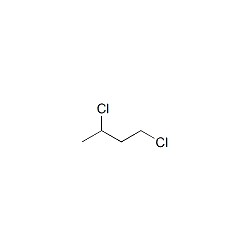 | 6823051190-22-3 | 1×1000 mg | on request | |
| 1,4-Dichlorobutane | 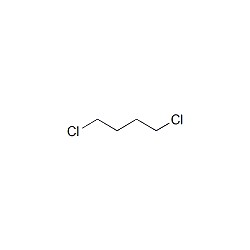 | 682334110-56-5 | 1×1000 mg | Please log in | |
ISO 17034 Certified Reference Material 1,4-DichlorobutaneConcentration: 100 µg/ml Solvent: Methanol |  | 688681110-56-5 | 1×10 ml | Please log in | |
Dichlorobutane
High-purity reference materials for accurate residue analysis of Dichlorobutane.
Overview
Dichlorobutane is a chloroalkane with the molecular formula C4H8Cl2. It is one of several structural isomers of dichlorobutane. These compounds are colorless liquids with low flammability and are of interest for specialized synthetic uses.
Uses
1,4-Dichlorobutane can be obtained from 1,4-butanediol as well as from tetrahydrofuran. It is well suited for the synthesis of 5-membered ring heterocycles. For example, treatment with sodium sulfide gives tetrahydrothiophene. It can also be used as a precursor for nylon 6,6 (via adiponitrile).
Regulatory
Dichlorobutane is subject to various regulatory guidelines to ensure safe handling and usage. It is important for laboratories to comply with these regulations to ensure safety and accuracy in residue analysis.
Monitoring
Regular monitoring of Dichlorobutane levels in environmental and food samples is essential to ensure compliance with regulatory limits. High-purity reference materials are crucial for accurate monitoring and analysis.
Health Impact
Human Toxicity
Dichlorobutane can pose health risks if not handled properly. It is important to follow safety guidelines and use appropriate protective equipment.
Environmental Impact
Effects on Wildlife
Dichlorobutane can have detrimental effects on wildlife if released into the environment. Proper handling and disposal are essential to minimize environmental impact.
Safety Measure
Proper safety measures should be in place when handling Dichlorobutane. This includes the use of personal protective equipment and adherence to safety protocols to prevent exposure and accidents.
Analytical Standards
High-purity reference materials for Dichlorobutane are essential for accurate and reliable residue analysis. These materials are tested according to international quality requirements and meet the highest industrial standards.