

Dibutyl phthalate
Ensure Compliance with High-Purity Dibutyl Phthalate (DBP) Reference Materials
Unlock precision in your residue analysis with HPC Standards GmbH's high-purity Dibutyl Phthalate (DBP) reference materials. Our meticulously tested products meet international quality requirements and the highest industrial standards, making them indispensable for laboratories focused on food and environmental analysis. Trust HPC Standards GmbH to help you achieve accurate and reliable results, ensuring compliance with stringent regulatory limits.
Filter
| Product | Image | Catalog No./ CAS No. | Quantity | Price |
|---|---|---|---|---|
ISO 17034 Reference Material Dibutyl phthalate | 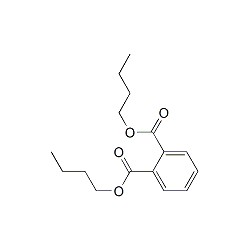 | 67898084-74-2 | 1×500 mg | Please log in |
ISO 17034 Certified Reference Material Dibutyl phthalateConcentration: 100 µg/ml Solvent: Acetone | 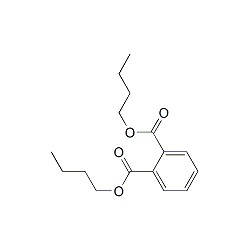 | 68036984-74-2 | 1×1 ml | Please log in |
ISO 17034 Reference Material D4-Dibutyl phthalate | 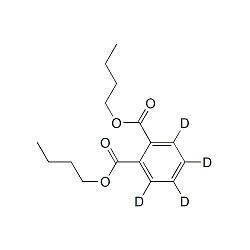 | 68311693952-11-5 | 1×10 mg | Please log in |
ISO 17034 Certified Reference Material D4-Dibutyl phthalateConcentration: 100 µg/ml Solvent: Ethyl acetate | 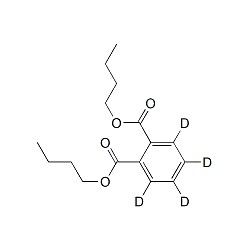 | 68311893952-11-5 | 1×5 ml | Please log in |
ISO 17034 Certified Reference Material Dibutyl phthalateConcentration: 100 µg/ml Solvent: Cyclohexane | 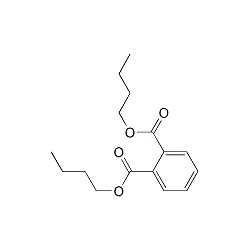 | 68856184-74-2 | 1×5 ml | Please log in |
Dibutyl Phthalate (DBP) Reference Materials
High-purity reference materials for accurate and reliable residue analysis of Dibutyl Phthalate (DBP).
Overview
Dibutyl Phthalate (DBP) is an organic compound commonly used as a plasticizer. It is a colorless oil with the chemical formula C16H22O4. DBP is known for its low toxicity and wide liquid range, making it useful in various industrial applications.
Uses
DBP is primarily used as a plasticizer to enhance the flexibility and durability of plastics such as PVC. It is also used in the manufacturing of products like nail polish, adhesives, and printing inks.
Regulatory
DBP is subject to various regulations due to its classification as an endocrine disruptor. In the European Union, its use in cosmetics and children's toys is restricted. In the United States, it is regulated under the Consumer Product Safety Improvement Act of 2008 and listed as a suspected teratogen under California Proposition 65.
Monitoring
Monitoring the presence of DBP in the environment and consumer products is crucial for ensuring compliance with regulatory limits. Analytical methods such as chromatography are commonly used for this purpose.
Health Impact
Human Toxicity
DBP has low acute toxicity but is considered a potential endocrine disruptor. Exposure to high levels can have adverse health effects, particularly in vulnerable populations such as children.
Environmental Impact
Effects on Wildlife
DBP can have detrimental effects on wildlife, particularly aquatic organisms. It is known to leach from landfills and can be persistent in the environment due to its low solubility in water.
Safety Measures
Proper handling and disposal of DBP are essential to minimize exposure and environmental contamination. Safety measures include using personal protective equipment (PPE) and adhering to occupational safety guidelines.
Regulation
DBP is regulated by various international bodies to limit its use and mitigate its impact on health and the environment. Compliance with these regulations is essential for manufacturers and laboratories.
Analytical Standards
HPC Standards GmbH provides high-purity reference materials for DBP, ensuring accurate and reliable residue analysis. Our products meet the highest industrial standards and are tested according to international quality requirements.