

Cinmethylin
Cinmethylin Reference Materials: Ensuring Accurate Residue Analysis
Unlock the potential of precise residue analysis with our high-purity Cinmethylin reference materials. Essential for laboratories in food and environmental sectors, our products meet stringent international standards, ensuring compliance with regulatory limits and safeguarding public health and the environment. Trust HPC Standards GmbH for reliable and accurate analytical solutions.
Filter
| Product | Image | Catalog No./ CAS No. | Quantity | Price |
|---|---|---|---|---|
ISO 17034 Reference Material Cinmethylin | 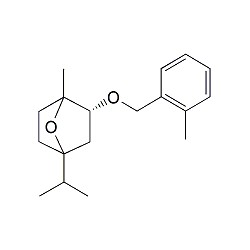 | 67396187818-31-3 | 1×50 mg | Please log in |
ISO 17034 Certified Reference Material CinmethylinConcentration: 100 µg/ml Solvent: Cyclohexane | 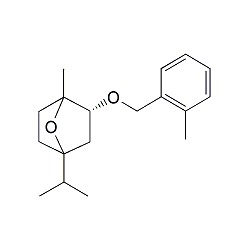 | 69154587818-31-3 | 1×1 ml | Please log in |
ISO 17034 Certified Reference Material Cinmethylin | 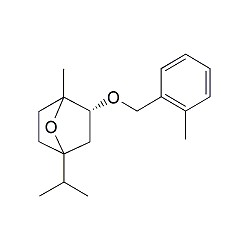 | 69400187818-31-3 | 1×25 mg | Please log in |
Cinmethylin Reference Materials
High-purity reference materials for accurate and reliable residue analysis of Cinmethylin.
Overview
Cinmethylin is a pre-emergent herbicide used primarily in the control of annual grasses and broadleaf weeds in various crops. It is known for its efficacy and selectivity, making it a valuable tool in agricultural practices.
Uses
Cinmethylin is widely used in the agricultural sector for weed management. Its application is crucial in ensuring crop health and yield by preventing weed competition. Common crops treated with Cinmethylin include cereals, soybeans, and maize.
Regulatory
Regulatory bodies such as the EPA and EFSA have established guidelines for the use of Cinmethylin, ensuring its application is safe for both humans and the environment. Compliance with these regulations is mandatory for agricultural producers.
Monitoring
Regular monitoring of Cinmethylin residues in food and the environment is essential to ensure compliance with regulatory limits. Laboratories use high-purity reference materials to achieve accurate and reliable results in residue analysis.
Health Impact
Human Toxicity
Cinmethylin has been evaluated for its toxicological profile. While it is generally considered safe when used according to guidelines, exposure to high levels can cause adverse health effects. Proper safety measures should be followed to minimize risks.
Environmental Impact
Effects on Wildlife
Cinmethylin can have varying impacts on wildlife, particularly aquatic organisms. Its use must be managed to prevent contamination of water bodies and to protect biodiversity.
Safety Measures
Handling Cinmethylin requires adherence to safety protocols to protect users and the environment. Personal protective equipment (PPE) and proper storage conditions are essential to prevent accidental exposure and environmental contamination.
Regulation
Various international bodies regulate the use of Cinmethylin to ensure its safe application. These regulations cover aspects such as permissible residue levels in food products, application rates, and environmental safety.
Analytical Standards
High-purity reference materials for Cinmethylin are crucial for laboratories conducting residue analysis. These materials ensure the accuracy and reliability of analytical results, helping laboratories meet international quality requirements and industrial standards.