


Chlorpyrifos-methyl
High-Purity Chlorpyrifos-methyl Reference Materials for Precise Residue Analysis
Ensure your laboratory's compliance with stringent regulatory limits using our top-tier Chlorpyrifos-methyl reference materials. HPC Standards GmbH provides high-purity analytical standards, meticulously tested to meet international quality requirements. Essential for accurate monitoring in food and environmental analysis, our products support your commitment to safety and reliability.
Filter
| Product | Image | Catalog No./ CAS No. | Quantity | Price |
|---|---|---|---|---|
ISO 17034 Certified Reference Material D6-Chlorpyrifos-methylConcentration: 100 µg/ml Solvent: Acetone | 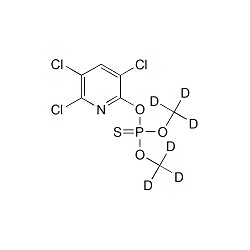 | 6765392083629-84-7 | 1×1 ml | Please log in |
ISO 17034 Reference Material Chlorpyrifos-methyl | 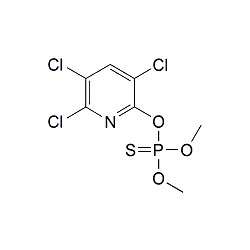 | 6779395598-13-0 | 1×250 mg | Please log in |
ISO 17034 Certified Reference Material Chlorpyrifos-methylConcentration: 100 µg/ml Solvent: Acetonitrile | 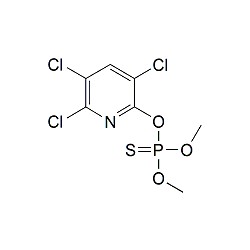 | 6780845598-13-0 | 1×1 ml | Please log in |
| D6-Chlorpyrifos-methyl | 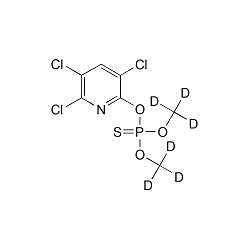 | 6803562083629-84-7 | 1×10 mg | Please log in |
ISO 17034 Certified Reference Material Chlorpyrifos-methylConcentration: 10.0 µg/ml Solvent: Acetonitrile | 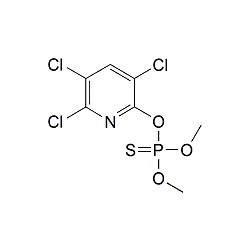 | 6878865598-13-0 | 1×10 ml | Please log in |
ISO 17034 Certified Reference Material Chlorpyrifos-methyl | 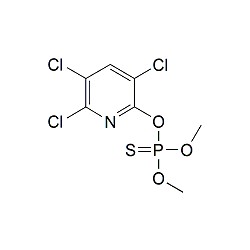 | 6910535598-13-0 | 1×100 mg | Please log in |
Chlorpyrifos-methyl
High-purity reference materials for accurate and reliable residue analysis.
Overview
Chlorpyrifos-methyl, also known as O,O-Dimethyl O-(3,5,6-trichloropyridin-2-yl) phosphorothioate, is an organophosphate pesticide. It is used to control pests on various crops and in other settings. Chlorpyrifos-methyl is a derivative of chlorpyrifos with a dimethyl chain, making it slightly different in its application and toxicity profile.
Uses
Chlorpyrifos-methyl has been used in agriculture to control a wide range of pests, including insects and worms. It is applied to crops such as corn, almonds, and fruit trees. Its use has been more restricted in residential settings due to its toxicity.
Regulatory
Chlorpyrifos-methyl has faced significant regulatory scrutiny due to its potential health and environmental impacts. It has been banned in the European Union and several other countries, including the United States, where its use on food crops is prohibited as of 2021.
Monitoring
Monitoring of chlorpyrifos-methyl residues in food and the environment is crucial to ensure compliance with regulatory limits. Laboratories use high-purity reference materials to accurately measure residue levels.
Health Impact
Human toxicity
Chlorpyrifos-methyl is considered moderately hazardous to humans. Acute exposure can lead to symptoms such as nausea, headaches, and muscle spasms. Chronic exposure has been linked to neurological effects, developmental disorders, and autoimmune diseases.
Environmental Impact
Effects on wildlife
Chlorpyrifos-methyl can have detrimental effects on wildlife, particularly aquatic organisms and bees. It is highly toxic to fish, crustaceans, and insects, often leading to significant mortality in contaminated water bodies.
Safety Measures
Proper handling and application of chlorpyrifos-methyl are essential to minimize exposure risks. Personal protective equipment (PPE) should be used, and application guidelines must be strictly followed to prevent environmental contamination.
Regulation
Chlorpyrifos-methyl is regulated by various national and international bodies. Its use is heavily restricted or banned in many regions due to its health and environmental risks. Regulatory agencies continue to monitor and evaluate its safety.
Analytical Standards
High-purity reference materials for chlorpyrifos-methyl are essential for laboratories conducting residue analysis. These materials ensure the accuracy and reliability of analytical results, helping laboratories comply with regulatory requirements and maintain high standards of food and environmental safety.