

Chloroethanol
High-Purity Chloroethanol Reference Materials for Precise Residue Analysis
Ensure the accuracy and reliability of your residue analysis with HPC Standards GmbH's high-purity Chloroethanol reference materials. Our products meet international quality requirements and the highest industrial standards, making them indispensable for laboratories focused on food and environmental analysis. Trust HPC Standards for compliance with regulatory limits and superior analytical performance.
Filter
| Product | Image | Catalog No./ CAS No. | Quantity | Price |
|---|---|---|---|---|
| 2-Chloroethanol | 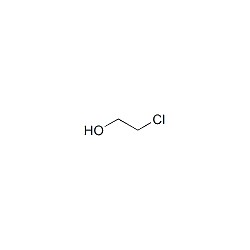 | 677426107-07-3 | 1×1 ml | Please log in |
ISO 17034 Reference Material D4-2-Chloroethanol | 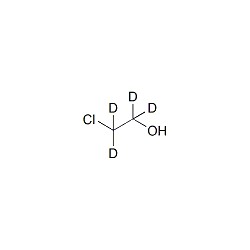 | 687517117067-62-6 | 1×10 mg | Please log in |
ISO 17034 Certified Reference Material D4-2-ChloroethanolConcentration: 1000 µg/ml Solvent: Methanol | 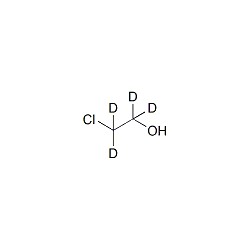 | 687668117067-62-6 | 1×1 ml | Please log in |
ISO 17034 Certified Reference Material 2-ChloroethanolConcentration: 100 µg/ml Solvent: Methanol | 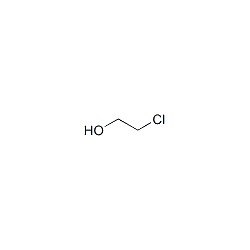 | 692390107-07-3 | 1×1 ml | Please log in |
Chloroethanol Reference Materials
High-purity reference materials for precise and reliable residue analysis of Chloroethanol.
Overview
Chloroethanol, also known as 2-Chloroethanol, is an organic chemical compound with the chemical formula HOCH2CH2Cl. It is a colorless liquid with a pleasant ether-like odor and is miscible with water. The molecule consists of both an alkyl chloride and an alcohol functional group.
Uses
Chloroethanol is utilized in the production of pharmaceuticals, biocides, and plasticizers. It is involved in the installation of 2-hydroxyethyl groups and is used in the alkylation of aniline derivatives for dye preparation. Additionally, it serves as a solvent for cellulose acetate and ethyl cellulose, textile printing dyes, dewaxing, refining rosin, extracting pine lignin, and cleaning machines.
Regulatory
Chloroethanol is classified as an extremely hazardous substance in the United States under Section 302 of the Emergency Planning and Community Right-to-Know Act. Facilities that produce, store, or use it in significant quantities are subject to strict reporting requirements.
Monitoring
Monitoring of Chloroethanol levels is crucial for ensuring compliance with regulatory limits. Analytical methods and high-purity reference materials are essential for accurate residue analysis in various matrices.
Health Impact
Human Toxicity
Chloroethanol is highly toxic with an LD50 of 89 mg/kg in rats. It poses significant health risks upon inhalation, ingestion, or dermal exposure. Symptoms of exposure include irritation, respiratory distress, and potential long-term health effects.
Environmental Impact
Effects on Wildlife
Chloroethanol can have detrimental effects on wildlife due to its toxicity. It is a metabolite in the degradation of 1,2-dichloroethane, which is processed in large quantities as a precursor to vinyl chloride. Proper disposal and environmental monitoring are necessary to mitigate its impact.
Safety Measures
Due to its highly toxic and flammable nature, strict safety measures must be implemented when handling Chloroethanol. Personal protective equipment (PPE) such as gloves, goggles, and respiratory protection should be used. Proper ventilation and storage conditions are also essential.
Regulation
The Occupational Safety and Health Administration (OSHA) has set a permissible exposure limit (PEL) of 5 ppm (16 mg/m3) over an eight-hour time-weighted average. The National Institute for Occupational Safety and Health (NIOSH) recommends a more protective exposure limit of 1 ppm (3 mg/m3) as an exposure ceiling.
Analytical Standards
HPC Standards GmbH provides high-purity reference materials for Chloroethanol, ensuring accurate and reliable residue analysis. Our products meet international quality requirements and the highest industrial standards, making them essential for laboratories conducting food and environmental analysis to ensure regulatory compliance.