

Chlordane
High-Purity Chlordane Reference Materials for Accurate Residue Analysis
Ensure precision and reliability in your residue analysis with HPC Standards GmbH's high-purity reference materials for Chlordane. Our products meet the highest international quality standards, making them essential for laboratories focused on food and environmental analysis. Trust HPC Standards GmbH to help you maintain compliance with regulatory limits and achieve unparalleled accuracy in your testing processes.
Filter
| Product | Image | Catalog No./ CAS No. | Quantity | Price |
|---|---|---|---|---|
ISO 17034 Reference Material trans-Chlordane | 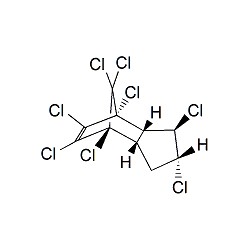 | 6741225103-74-2 | 1×10 mg | Please log in |
ISO 17034 Certified Reference Material cis-ChlordaneConcentration: 100 µg/ml Solvent: Ethyl acetate | 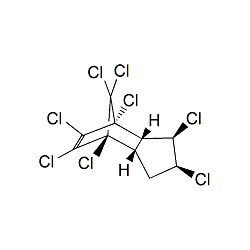 | 6757405103-71-9 | 1×5 ml | Please log in |
ISO 17034 Certified Reference Material cis-ChlordaneConcentration: 10.0 µg/ml Solvent: Ethyl acetate | 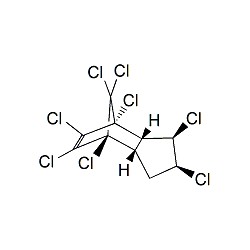 | 6757415103-71-9 | 1×10 ml | Please log in |
ISO 17034 Certified Reference Material trans-ChlordaneConcentration: 100 µg/ml Solvent: Ethyl acetate | 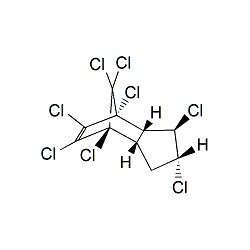 | 6757425103-74-2 | 1×5 ml | Please log in |
ISO 17034 Certified Reference Material trans-ChlordaneConcentration: 10.0 µg/ml Solvent: Ethyl acetate | 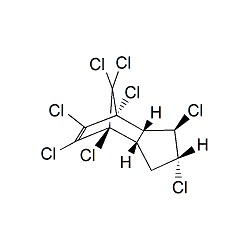 | 6757435103-74-2 | 1×10 ml | Please log in |
| cis-Chlordane | 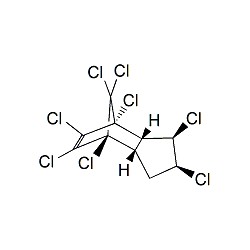 | 6768675103-71-9 | 1×10 mg | Please log in |
ISO 17034 Certified Reference Material oxy-ChlordaneConcentration: 100 µg/ml Solvent: Cyclohexane | 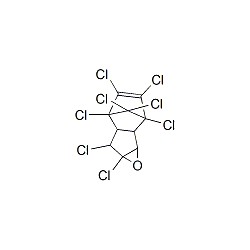 | 67896727304-13-8 | 1×1 ml | Please log in |
ISO 17034 Certified Reference Material oxy-ChlordaneConcentration: 10.0 µg/ml Solvent: Cyclohexane | 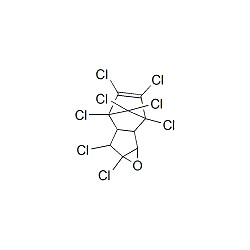 | 67896827304-13-8 | 1×10 ml | Please log in |
ISO 17034 Certified Reference Material oxy-ChlordaneConcentration: 100 µg/ml Solvent: Acetonitrile | 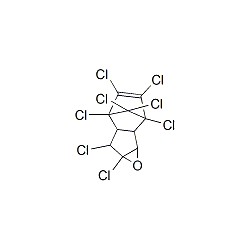 | 67896927304-13-8 | 1×1 ml | Please log in |
ISO 17034 Certified Reference Material oxy-ChlordaneConcentration: 10.0 µg/ml Solvent: Acetonitrile | 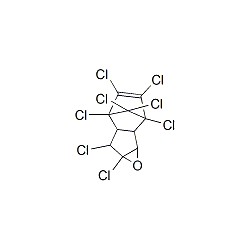 | 67897027304-13-8 | 1×10 ml | Please log in |
ISO 17034 Certified Reference Material trans-ChlordaneConcentration: 100 µg/ml Solvent: Methanol | 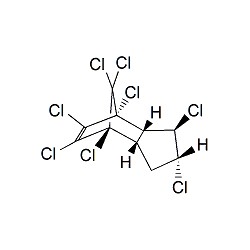 | 6804395103-74-2 | 1×1 ml | Please log in |
ISO 17034 Certified Reference Material oxy-ChlordaneConcentration: 100 µg/ml Solvent: Methanol | 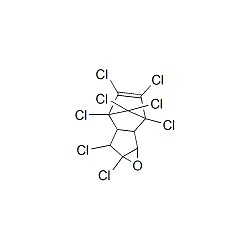 | 68380027304-13-8 | 1×1 ml | Please log in |
| Chlordane | 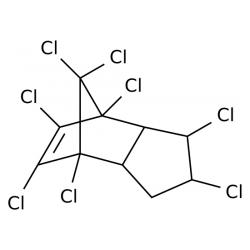 | 69253457-74-9 | 1×25 mg | Please log in |
Chlordane
High-purity reference materials for accurate residue analysis
Overview
Chlordane is an organochlorine compound that was widely used as a pesticide. It appears as white or off-white crystals and was commonly sold in various formulations such as oil solutions, emulsions, sprays, dusts, and powders. Chlordane was used extensively in the United States from 1948 until it was banned in 1988 due to its persistence in the environment and potential health risks.
Uses
Chlordane was primarily used for termite control in wooden structures and as a pesticide for corn and citrus crops. It was also used on lawns and domestic gardens. The compound was effective due to its stability and long-lasting effects.
Regulatory
The United States Environmental Protection Agency (EPA) banned all uses of chlordane in 1983, except for termite control. In 1988, the remaining uses were also banned. The EPA has set a limit of 2 parts per billion (ppb) for chlordane in drinking water. Chlordane is classified as a persistent organic pollutant and is included in the "dirty dozen" banned by the 2001 Stockholm Convention on Persistent Organic Pollutants.
Monitoring
Chlordane is monitored in environmental samples due to its persistence and potential for bioaccumulation. It is resistant to degradation and can remain in the environment for decades. Monitoring involves testing soil, water, and air samples, especially in areas previously treated with chlordane.
Health Impact
Exposure to chlordane has been linked to various health issues, including cancers, diabetes, and neurological disorders. It is classified as a potential occupational carcinogen. Chlordane can accumulate in the fatty tissues of humans and animals, leading to long-term health effects. The primary route of exposure is through inhalation of contaminated indoor air, ingestion of contaminated food, and dermal contact.
Environmental Impact
Chlordane is highly persistent in the environment and does not break down easily. It adheres to soil particles and can enter groundwater slowly. Chlordane bioaccumulates in animals and is highly toxic to fish. Its primary metabolites, oxychlordane and heptachlor epoxide, are also persistent and bioaccumulative.
Safety Measure
Handling chlordane requires strict safety measures due to its toxicity. Personal protective equipment (PPE) such as gloves, masks, and protective clothing should be used. Proper ventilation and containment are essential to prevent exposure. In case of contamination, decontamination procedures and medical attention are necessary.
Analytical Standards
HPC Standards GmbH provides high-purity reference materials for chlordane, ensuring accurate and reliable residue analysis. Our products are tested according to international quality requirements and meet the highest industrial standards. These reference materials are essential for laboratories conducting food and environmental analysis to ensure compliance with regulatory limits.