


Carboxin
High-Purity Carboxin Reference Materials for Accurate Residue Analysis
Ensure precise and reliable residue analysis with HPC Standards GmbH's high-quality Carboxin reference materials. Our products meet international quality requirements and the highest industrial standards, making them indispensable for laboratories focused on food and environmental analysis. Trust HPC Standards GmbH for your Carboxin analytical needs and ensure compliance with regulatory limits.
Filter
| Product | Image | Catalog No./ CAS No. | Quantity | Price |
|---|---|---|---|---|
ISO 17034 Reference Material Carboxin | 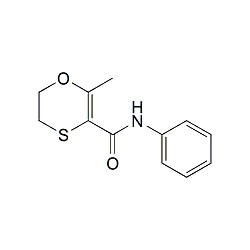 | 6752605234-68-4 | 1×250 mg | Please log in |
ISO 17034 Certified Reference Material CarboxinConcentration: 100 µg/ml Solvent: Acetonitrile | 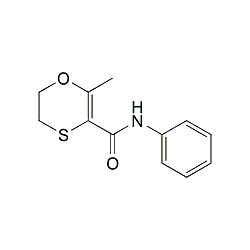 | 6785815234-68-4 | 1×1 ml | Please log in |
ISO 17034 Certified Reference Material CarboxinConcentration: 10.0 µg/ml Solvent: Acetonitrile | 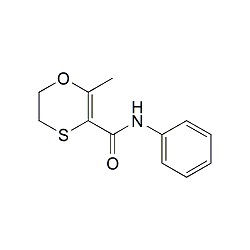 | 6809155234-68-4 | 1×10 ml | Please log in |
ISO 17034 Certified Reference Material Carboxin | 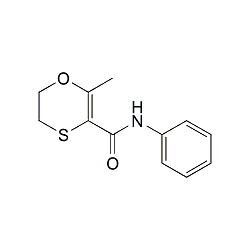 | 6927415234-68-4 | 1×100 mg | Please log in |
Carboxin Reference Materials
High-quality reference materials for accurate and reliable residue analysis of Carboxin.
Overview
Carboxin is a narrow-spectrum fungicide used primarily as a seed treatment in agriculture. It is an anilide compound that combines a heterocyclic acid with aniline, functioning as an inhibitor of succinate dehydrogenase (SDHI). First marketed by Uniroyal in 1969 under the brand name Vitavax, Carboxin is known for its systemic properties and effectiveness against specific fungal species.
Uses
Carboxin is used mainly for seed treatment to protect crops from fungal diseases. It is particularly effective against Tilletia spp. (bunts and smuts) in cereal crops and Rhizoctonia in cotton and vegetables. Despite its narrow range of target species, Carboxin remains a valuable tool in agricultural disease management.
Regulatory
Carboxin has been used in various regions, including Australia, the EU, the UK, and the US. However, its registration has lapsed in the EU. As of 2014, Carboxin had worldwide sales totaling $75 million. The compound is sold under various brand names, with Vitavax being the original brand by Uniroyal.
Monitoring
Monitoring the use of Carboxin is essential to ensure compliance with regulatory limits and to prevent the development of resistance. Laboratories conducting food and environmental analysis rely on high-purity reference materials to achieve accurate and reliable results.
Health Impact
Human toxicity
Carboxin has low mammalian toxicity and is not persistent in the environment. One of its metabolites, the sulfone, is also active as an SDHI and has been marketed as the fungicide oxycarboxin.
Environmental Impact
Effects on wildlife
Carboxin's systemic properties mean it can move from the application site to protect newly-growing tissue. While it is effective in controlling fungal diseases, its impact on non-target species and the broader ecosystem should be monitored to mitigate any potential adverse effects.
Safety Measures
Proper handling and application of Carboxin are crucial to ensure safety. Users should follow all precautionary statements and guidelines provided by regulatory bodies to minimize risks to human health and the environment.
Regulation
Carboxin is subject to various regulations depending on the region of use. Compliance with these regulations is essential for its continued use in agriculture. Reference materials from HPC Standards GmbH help laboratories ensure that their analyses meet international quality requirements and industrial standards.
Analytical Standards
HPC Standards GmbH provides high-purity reference materials for Carboxin, ensuring accurate and reliable residue analysis. Our products are tested according to international quality requirements and meet the highest industrial standards, making them essential for laboratories conducting food and environmental analysis.