


Carbamazepine
Accurate Carbamazepine Residue Analysis with HPC Standards
Ensure precision in your laboratory's residue analysis with our high-purity Carbamazepine reference materials. HPC Standards GmbH offers top-tier analytical standards tested to meet international quality requirements, essential for compliance in food and environmental analysis. Partner with us for reliable results and unmatched expertise in high-purity reference materials.
Filter
| Product | Image | Catalog No./ CAS No. | Quantity | Price |
|---|---|---|---|---|
ISO 17034 Certified Reference Material D10-CarbamazepineConcentration: 100 µg/ml Solvent: Methanol | 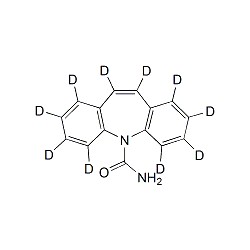 | 677509132183-78-9 | 1×1 ml | Please log in |
ISO 17034 Certified Reference Material CarbamazepineConcentration: 100 µg/ml Solvent: Methanol | 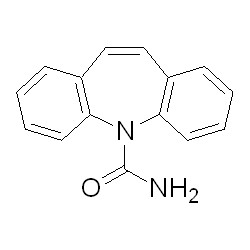 | 680839298-46-4 | 1×1 ml | Please log in |
| Carbamazepine | 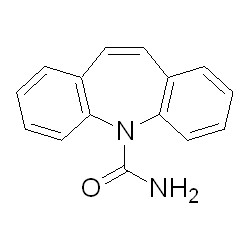 | 681365298-46-4 | 1×100 mg | Please log in |
ISO 17034 Certified Reference Material CarbamazepineConcentration: 100 µg/ml Solvent: Acetonitrile | 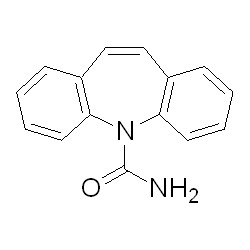 | 689771298-46-4 | 1×1 ml | Please log in |
Carbamazepine Reference Materials
High-quality reference materials for accurate and reliable residue analysis of Carbamazepine.
Overview
Carbamazepine is an anticonvulsant medication used primarily in the treatment of epilepsy and neuropathic pain. It is also used as an adjunctive treatment in schizophrenia and as a second-line agent in bipolar disorder.
Uses
Carbamazepine is used for the treatment of seizure disorders, neuropathic pain, and trigeminal neuralgia. It is also used off-label for bipolar disorder and in combination with antipsychotics for certain cases of schizophrenia.
Regulatory
Carbamazepine is regulated as a prescription-only medication in many countries, including the US, UK, and Australia. It is listed on the World Health Organization's List of Essential Medicines.
Monitoring
Regular monitoring of blood levels is recommended to ensure therapeutic efficacy and to avoid toxicity. Monitoring is also essential for detecting potential adverse effects on blood cell counts and liver function.
Health Impact
Human Toxicity
Carbamazepine can cause various adverse effects, including dizziness, drowsiness, nausea, and vomiting. Serious side effects may include aplastic anemia, agranulocytosis, Stevens-Johnson syndrome, and toxic epidermal necrolysis. It can also increase the risk of suicide and hyponatremia.
Environmental Impact
Effects on Wildlife
Carbamazepine and its metabolites have been detected in wastewater and streams. Studies indicate that its accumulation in plants grown in soil treated with biosolids poses minimal risk to human health.
Safety Measures
Patients should avoid abrupt discontinuation of carbamazepine to prevent seizures. Regular blood tests are recommended to monitor for potential adverse effects.
Regulation
Carbamazepine is subject to strict regulatory controls and is available only by prescription. It is approved by the FDA for the treatment of epilepsy and trigeminal neuralgia.
Analytical Standards
HPC Standards GmbH provides high-purity reference materials for Carbamazepine, ensuring accurate and reliable residue analysis. Our products are tested according to international quality requirements and meet the highest industrial standards.