


Bromoacetic acid
Ensure Accurate Analysis with High-Purity Bromoacetic Acid Reference Materials
Bromoacetic acid is a crucial compound in organic synthesis and industrial applications, but its potential health and environmental impacts necessitate precise monitoring. HPC Standards GmbH offers high-purity reference materials for bromoacetic acid, ensuring accurate residue analysis and compliance with stringent regulatory guidelines. Our products meet international quality standards, making them indispensable for laboratories conducting food and environmental analysis. Trust HPC Standards GmbH for reliable and high-quality reference materials to support your analytical needs.
Filter
| Product | Image | Catalog No./ CAS No. | Quantity | Price |
|---|---|---|---|---|
ISO 17034 Reference Material Bromoacetic acid | 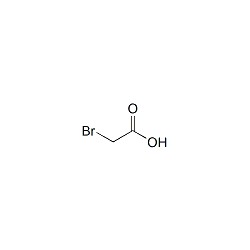 | 68158379-08-3 | 1×1000 mg | Please log in |
ISO 17034 Certified Reference Material Bromoacetic acidConcentration: 100 µg/ml Solvent: Acetonitrile | 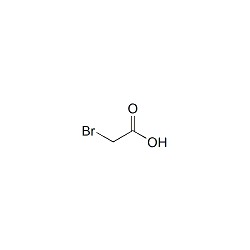 | 68408679-08-3 | 1×1 ml | Please log in |
ISO 17034 Reference Material D3-Bromoacetic acid | 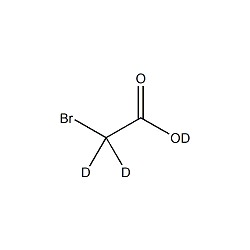 | 68605014341-48-1 | 1×10 mg | Please log in |
| 13C2-Bromoacetic acid | 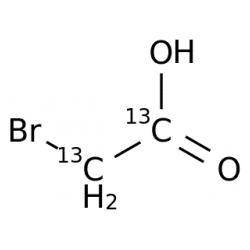 | 69238452947-00-9 | 1×10 mg | Please log in |
ISO 17034 Certified Reference Material D3-Bromoacetic acidConcentration: 100.0 µg/ml Solvent: Acetonitrile | 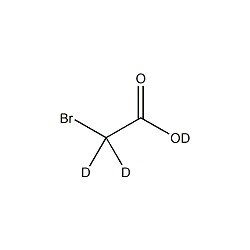 | 69466014341-48-1 | 1×5 ml | Please log in |
Bromoacetic Acid Reference Materials
High-quality reference materials for accurate residue analysis of Bromoacetic Acid.
Overview
Bromoacetic acid is a halogenated acetic acid derivative commonly used in organic synthesis and various industrial applications. It is a colorless, corrosive liquid with a strong odor. Its chemical formula is C2H3BrO2.
Uses
Bromoacetic acid is utilized in the synthesis of pharmaceuticals, agrochemicals, and other organic compounds. It serves as an intermediate in chemical reactions and is also used in the production of certain polymers and resins.
Regulatory
Due to its potential health and environmental impacts, bromoacetic acid is subject to regulatory oversight. Laboratories must adhere to strict guidelines when handling and analyzing this compound to ensure compliance with safety and environmental regulations.
Monitoring
Regular monitoring of bromoacetic acid levels in various matrices, such as water, soil, and biological samples, is essential for ensuring environmental and public health safety. Analytical methods such as gas chromatography and mass spectrometry are commonly employed for this purpose.
Health Impact
Human Toxicity
Bromoacetic acid is highly toxic and can cause severe burns upon contact with skin or mucous membranes. Inhalation or ingestion of the compound can lead to serious health issues, including respiratory distress, gastrointestinal damage, and systemic toxicity.
Environmental Impact
Effects on Wildlife
Bromoacetic acid poses a significant risk to aquatic and terrestrial wildlife. It can cause acute and chronic toxicity in various organisms, leading to disrupted ecosystems and biodiversity loss.
Safety Measures
Proper safety measures must be implemented when handling bromoacetic acid. This includes the use of personal protective equipment (PPE), proper ventilation, and adherence to standard operating procedures (SOPs) to minimize exposure and prevent accidents.
Regulation
Compliance with local and international regulations is mandatory for the use and disposal of bromoacetic acid. Laboratories and industries must follow guidelines set by regulatory bodies such as the Environmental Protection Agency (EPA) and the European Chemicals Agency (ECHA).
Analytical Standards
HPC Standards GmbH provides high-purity reference materials for bromoacetic acid, ensuring accurate and reliable residue analysis. Our products meet international quality requirements and the highest industrial standards, making them essential for laboratories conducting food and environmental analysis to ensure compliance with regulatory limits.