

Bitertanol
Ensure Accurate Residue Analysis with High-Purity Bitertanol Reference Materials
Bitertanol: Essential for precise residue analysis in food and environmental samples. HPC Standards GmbH offers high-purity reference materials for Bitertanol, rigorously tested to meet international quality standards. Ideal for laboratories focused on compliance with regulatory limits, our products guarantee reliable and accurate results in your residue analysis. Partner with us for excellence in food and environmental safety.
Filter
| Product | Image | Catalog No./ CAS No. | Quantity | Price |
|---|---|---|---|---|
ISO 17034 Certified Reference Material BitertanolConcentration: 10.0 µg/ml Solvent: Ethyl acetate | 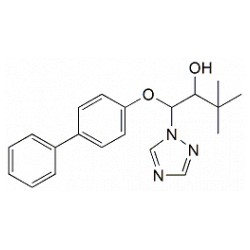 | 67348255179-31-2 | 1×10 ml | Please log in |
ISO 17034 Certified Reference Material BitertanolConcentration: 100 µg/ml Solvent: Ethyl acetate | 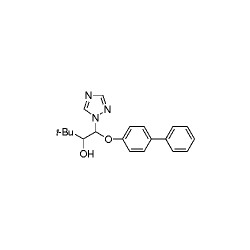 | 67348355179-31-2 | 1×5 ml | Please log in |
ISO 17034 Reference Material Bitertanol | 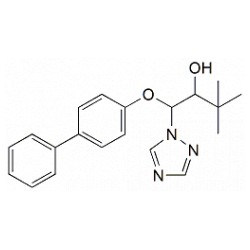 | 67604155179-31-2 | 1×250 mg | Please log in |
ISO 17034 Certified Reference Material BitertanolConcentration: 100 µg/ml Solvent: Acetonitrile | 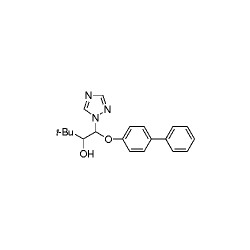 | 67826455179-31-2 | 1×5 ml | Please log in |
ISO 17034 Certified Reference Material Bitertanol | 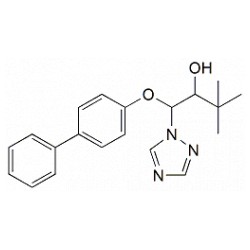 | 69142455179-31-2 | 1×100 mg | Please log in |
Bitertanol
High-purity reference materials for accurate residue analysis in food and environmental samples.
Overview
Bitertanol is a fungicide used in agriculture to control a variety of fungal diseases in crops. It belongs to the chemical class of triazoles and is known for its effectiveness in protecting plants from fungal infections.
Uses
Bitertanol is primarily used in the agricultural sector to protect crops such as fruits, vegetables, and ornamental plants from fungal diseases. It is applied as a foliar spray and is effective against a wide range of fungal pathogens.
Regulatory
Bitertanol is regulated by various international and national agencies to ensure its safe use in agriculture. Compliance with regulatory limits is essential for the safe application of Bitertanol in food production. Laboratories must adhere to these regulations to ensure that residue levels in food products do not exceed permissible limits.
Monitoring
Regular monitoring of Bitertanol residues in food and environmental samples is crucial for ensuring compliance with regulatory standards. Analytical methods such as chromatography are used to detect and quantify Bitertanol residues accurately.
Health Impact
Bitertanol has been evaluated for its potential health impacts. While it is generally considered safe when used according to guidelines, prolonged exposure or misuse can lead to health issues. It is important for users to follow safety instructions to minimize any potential risks.
Environmental Impact
Bitertanol can have environmental impacts if not used responsibly. It is essential to follow recommended application rates and methods to minimize its effect on non-target organisms and ecosystems. Proper disposal of unused product and containers is also important to prevent environmental contamination.
Safety Measure
Users of Bitertanol should adhere to safety measures such as wearing protective clothing, gloves, and masks during application. It is also important to follow storage and handling guidelines to prevent accidental exposure or spills.
Analytical Standards
HPC Standards GmbH provides high-purity reference materials for Bitertanol, ensuring accurate and reliable residue analysis. Our products are tested according to international quality requirements and meet the highest industrial standards. These reference materials are essential for laboratories conducting food and environmental analysis to ensure compliance with regulatory limits.