


Antipyrine
Unlock Precision with High-Purity Antipyrine Reference Materials
Ensure accurate and reliable residue analysis in food and environmental samples with HPC Standards GmbH's high-purity Antipyrine reference materials. Our products meet the highest industrial standards, providing essential support for laboratories to comply with regulatory limits. Trust in our expertise for your food and environmental analysis needs.
Filter
| Product | Image | Catalog No./ CAS No. | Quantity | Price |
|---|---|---|---|---|
ISO 17034 Reference Material Antipyrine | 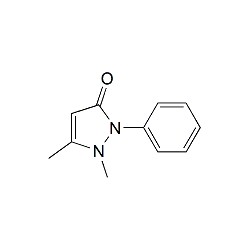 | 67309460-80-0 | 1×250 mg | Please log in |
| D3-Antipyrine | 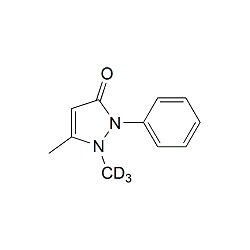 | 67601465566-62-3 | 1×10 mg | Please log in |
ISO 17034 Certified Reference Material AntipyrineConcentration: 10.0 µg/ml Solvent: Acetonitrile | 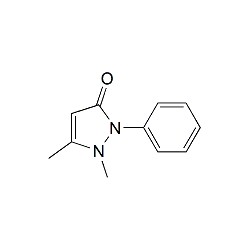 | 68092560-80-0 | 1×10 ml | Please log in |
ISO 17034 Certified Reference Material AntipyrineConcentration: 100 µg/ml Solvent: Acetonitrile | 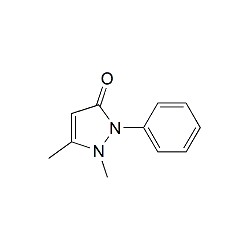 | 68930160-80-0 | 1×1 ml | Please log in |
ISO 17034 Certified Reference Material D3-AntipyrineConcentration: 100 µg/ml Solvent: Acetonitrile | 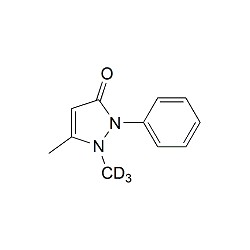 | 69190465566-62-3 | 1×1 ml | Please log in |
Antipyrine
High-purity reference materials for accurate and reliable residue analysis in food and environmental samples.
Overview
Antipyrine, also known as phenazone, is an analgesic (pain reducing), antipyretic (fever reducing), and anti-inflammatory drug. It is one of the earliest synthetic medications and is classified as a nonsteroidal anti-inflammatory drug (NSAID).
Uses
Antipyrine is used in various medical applications, including pain relief, fever reduction, and as an anti-inflammatory agent. It is also used in combination with other drugs, such as benzocaine, in ear drops to relieve pain and remove earwax.
Regulatory
Antipyrine is subject to various regulatory standards to ensure its safety and efficacy. It is available either as an over-the-counter or prescribed drug in several countries.
Monitoring
Regular monitoring of antipyrine levels in food and environmental samples is essential for compliance with regulatory limits. High-purity reference materials are used to ensure accurate and reliable analysis.
Health Impact
Human Toxicity
Possible adverse effects of antipyrine include allergic reactions to pyrazolones, nausea, agranulocytosis, and hepatotoxicity.
Environmental Impact
Effects on Wildlife
The environmental impact of antipyrine includes potential effects on wildlife, which need to be monitored to ensure ecological safety.
Safety Measures
Proper safety measures should be taken when handling antipyrine to avoid adverse health effects. This includes using appropriate personal protective equipment and following safety guidelines.
Regulation
Antipyrine is regulated by various international standards to ensure its safety, quality, and efficacy. Compliance with these regulations is essential for its use in medical and analytical applications.
Analytical Standards
HPC Standards GmbH provides high-purity reference materials for antipyrine, tested according to international quality requirements. These reference materials are essential for laboratories conducting food and environmental analysis to ensure compliance with regulatory limits.