

Acrylamide
Ensure Accurate Residue Analysis with High-Purity Acrylamide Reference Materials
At HPC Standards GmbH, we offer top-tier acrylamide reference materials designed for precise and reliable residue analysis. Our high-purity standards are essential for laboratories focused on food and environmental safety, ensuring compliance with stringent regulatory limits. Trust our expertise in providing the highest quality reference materials for your analytical needs.
Filter
| Product | Image | Catalog No./ CAS No. | Quantity | Price | |
|---|---|---|---|---|---|
ISO 17034 Reference Material Acrylamide | 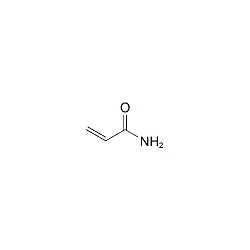 | 67533679-06-1 | 1×250 mg | Please log in | |
| 2,3,3-D3-Acrylamide | 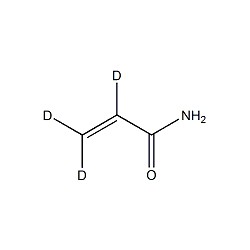 | 687898122775-19-3 | 1×10 mg | Please log in | |
ISO 17034 Certified Reference Material AcrylamideConcentration: 100 µg/ml Solvent: Acetonitrile | 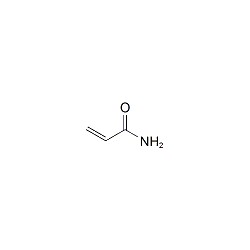 | 68955679-06-1 | 1×5 ml | Please log in | |
ISO 17034 Certified Reference Material 2,3,3-D3-AcrylamideConcentration: 100 µg/ml Solvent: Methanol | 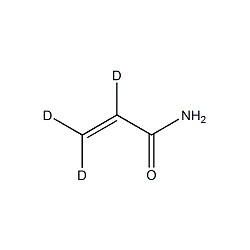 | 689557122775-19-3 | 1×1 ml | Please log in | |
ISO 17034 Reference Material 13C3-Acrylamide | 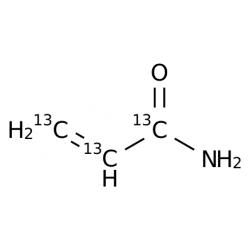 | 692755287399-26-2 | 1×5 mg | on request | |
ISO 17034 Certified Reference Material 13C3-AcrylamideConcentration: 100 µg/ml Solvent: Acetonitrile | 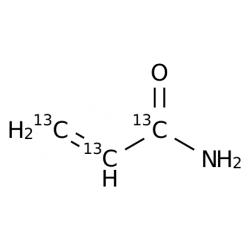 | 692756287399-26-2 | 1×1 ml | Please log in | |
Acrylamide Reference Materials
High-purity reference materials for accurate and reliable residue analysis of acrylamide.
Overview
Acrylamide (Prop-2-enamide) is an organic chemical compound with the chemical formula C3H5NO. It is a white, odorless crystalline solid that is highly soluble in water. Acrylamide is primarily used in the production of polyacrylamides, which serve as water-soluble thickeners and flocculation agents.
Uses
The primary use of acrylamide is in the manufacture of polyacrylamides, which are utilized in various industrial processes such as water purification, paper making, and mineral extraction. Polyacrylamide gels are also widely used in biochemistry and medicine for protein separation and purification assays.
Regulatory
Acrylamide is classified as a probable human carcinogen by several regulatory agencies, including the International Agency for Research on Cancer (IARC) and the U.S. Environmental Protection Agency (EPA). It is subject to strict reporting requirements and occupational exposure limits due to its potential health hazards.
Monitoring
Monitoring acrylamide levels in food and the environment is crucial for ensuring compliance with safety regulations. Laboratories conducting residue analysis rely on high-purity reference materials to accurately measure acrylamide concentrations and assess potential risks.
Health Impact
Acrylamide is considered a potential occupational carcinogen and has been associated with neurotoxicity, reproductive toxicity, and developmental toxicity. Despite concerns, current epidemiological studies suggest that dietary acrylamide is unlikely to significantly increase cancer risk in humans.
Environmental Impact
Acrylamide can contaminate water sources and soil, posing risks to aquatic life and ecosystems. Its environmental impact is mitigated through proper handling, disposal, and monitoring practices.
Safety Measures
Handling acrylamide requires strict safety measures, including the use of personal protective equipment (PPE) and adherence to occupational exposure limits. Safety data sheets (SDS) provide detailed information on hazards and precautionary measures.
Analytical Standards
HPC Standards GmbH provides high-purity reference materials for acrylamide, ensuring accurate and reliable residue analysis. Our products meet international quality requirements and the highest industrial standards, making them essential for laboratories conducting food and environmental analysis.